4 ways AI is changing U.S. military war games
4 ways AI is reshaping U.S. military war games, from real-time intelligence processing to faster exercise decisions in Morocco.
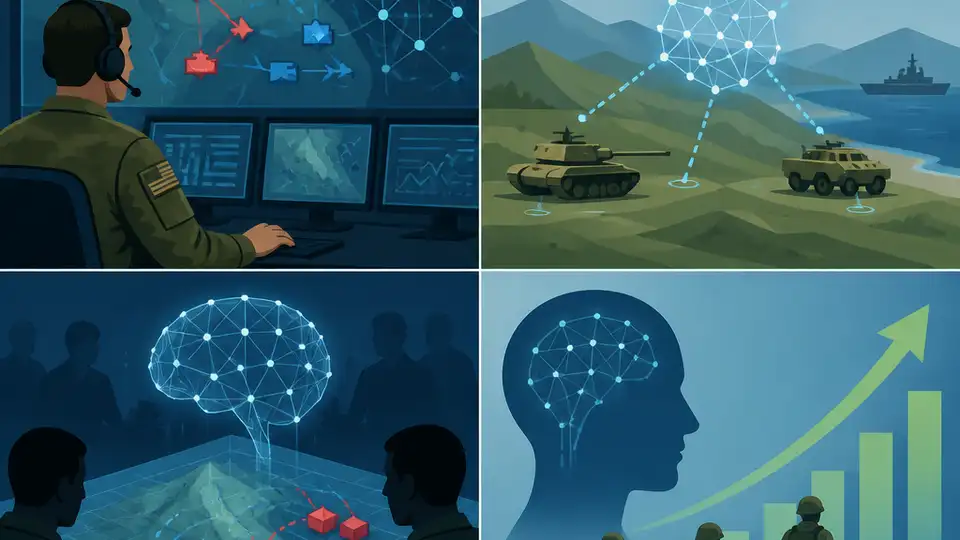
AI is helping the U.S. military process battlefield intelligence and run faster war games.
The U.S. military is using artificial intelligence to sort battlefield information in real time, and a training exercise in Morocco shows how that changes planning, decision-making, and after-action review.
| Item | What AI changes | Where it shows up |
|---|---|---|
| Real-time intelligence | Faster processing of battlefield data | Live exercise analysis |
| Training decisions | Quicker scenario updates | War games in Morocco |
| Exercise review | Better sorting of observations | Post-run assessment |
| Command support | More information at decision time | Military planning rooms |
1. Real-time battlefield intelligence
Get the latest AI news in your inbox
Weekly picks of model releases, tools, and deep dives — no spam, unsubscribe anytime.
No spam. Unsubscribe at any time.
The biggest shift is speed. Instead of waiting for teams to sort through every report by hand, AI can process battlefield intelligence while an exercise is still underway. That matters when commanders need to react to changing conditions, not just study them later.
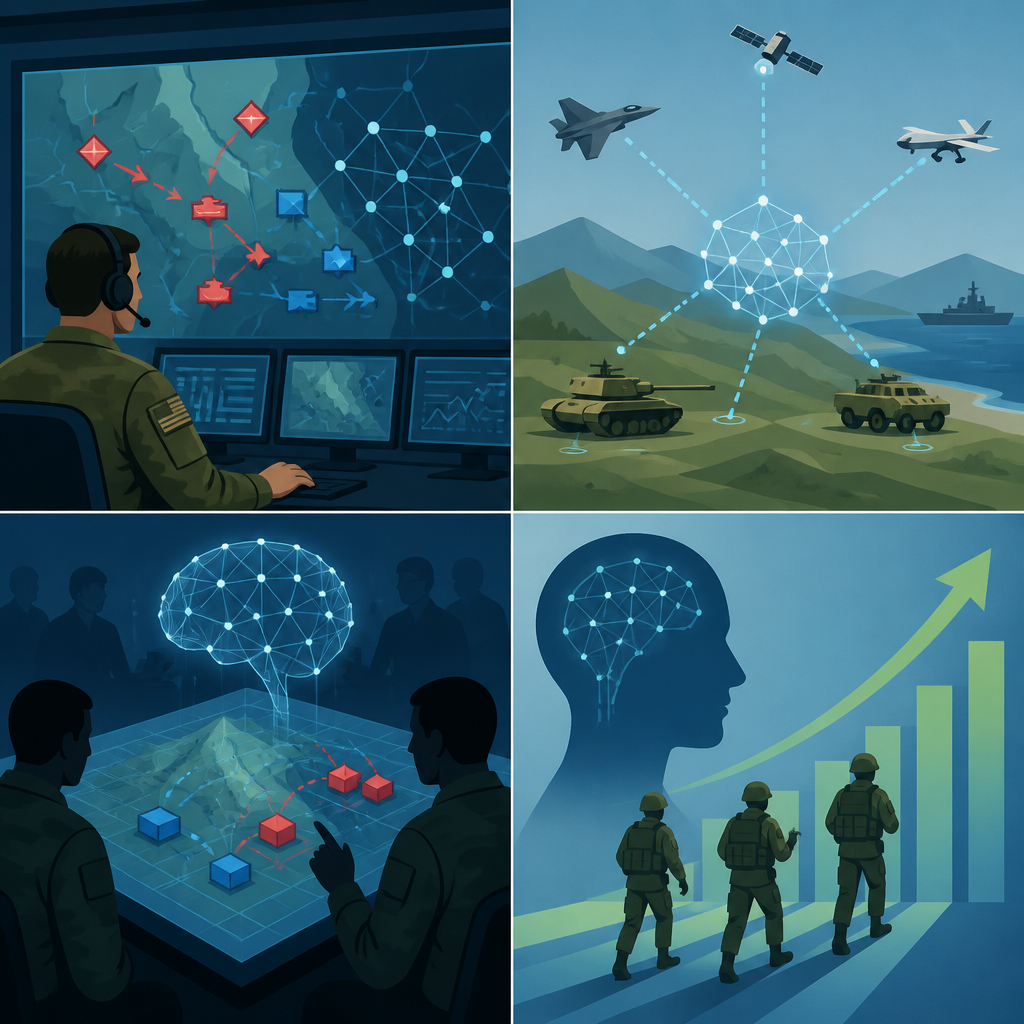
In practice, this means data from multiple feeds can be organized fast enough to support live decisions. The CBS News report says the military has been using AI to process battlefield intelligence in real time, which points to a direct role in how information reaches decision-makers.
- Sorts incoming reports faster than manual review
- Helps track changes during live exercises
- Reduces the lag between observation and action
2. Faster war-game decisions
War games are built around choices, consequences, and quick adaptation. AI can help training teams update scenarios, assess responses, and keep the exercise moving without long pauses for analysis. That makes the simulation feel closer to a real operational tempo.
Chris Livesay’s report from Morocco shows AI shaping a U.S. military training exercise, which suggests the technology is not just back-office support. It is part of the exercise flow itself, helping participants and planners respond to what unfolds.
- Updates scenarios as new information arrives
- Supports faster judgment calls during training
- Keeps exercises closer to real-world pace
3. Better sorting of battlefield signals
Military exercises generate a lot of noise: sensor reads, reports, observations, and simulated events. AI can help separate what matters from what does not, which is useful when teams are trying to understand a fast-moving situation. That makes the training data easier to use.
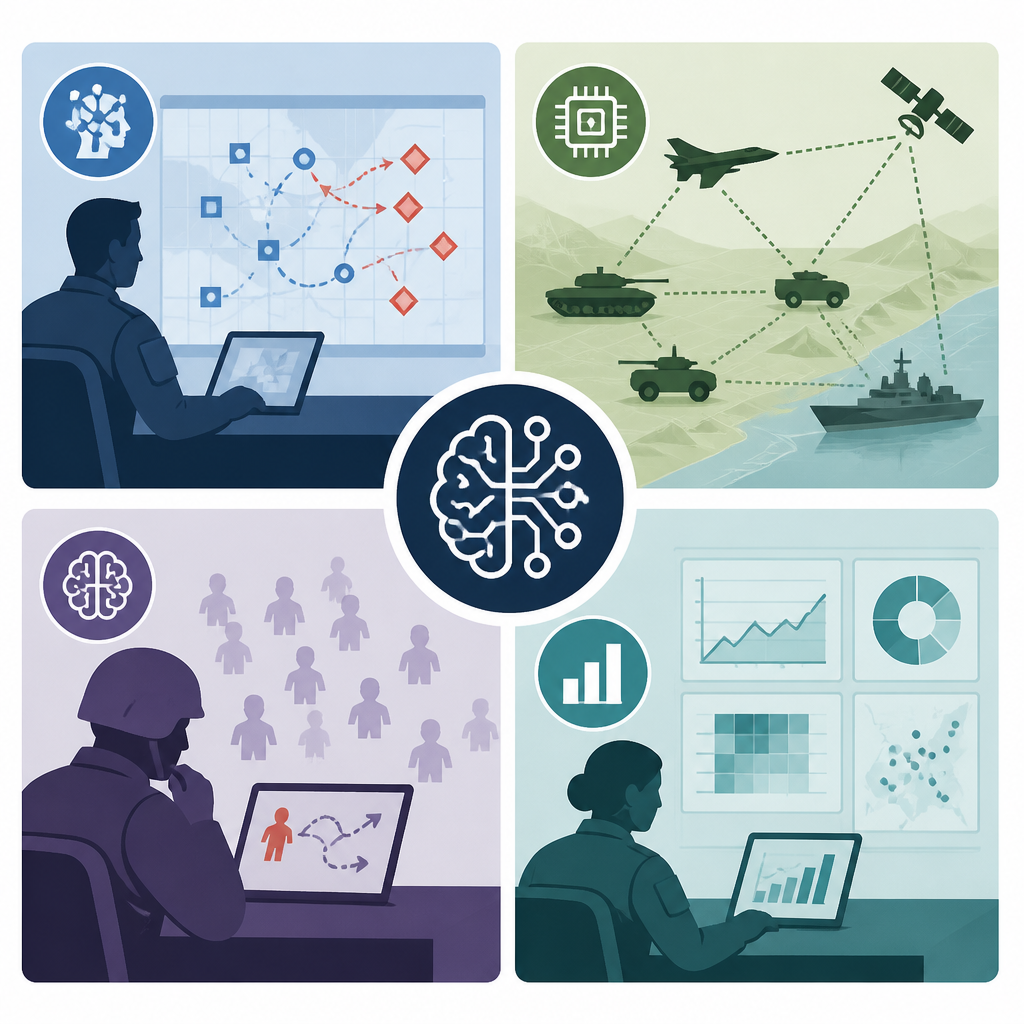
This is especially valuable in a live exercise where people are trying to learn from the same stream of events at the same time. By organizing the signals, AI gives trainers and analysts a clearer picture of what happened and when.
- Groups similar reports together
- Flags patterns across multiple inputs
- Makes exercise output easier to review later
4. More useful after-action review
After-action review is where war games turn into lessons. If AI has already tracked events in real time, it can make the review more precise by showing how decisions unfolded. That helps trainers focus on specific moments instead of relying only on memory or scattered notes.
For military planners, that can mean shorter review cycles and more targeted feedback. The Morocco exercise in the CBS report suggests AI is not only helping during the game, but also improving what the team learns afterward.
- Creates a clearer timeline of events
- Helps identify decision points
- Makes feedback more specific for trainees
What to pick
If you want the short version, AI is most useful where military training depends on speed, volume, and timing. It helps with live intelligence, supports faster decisions, and makes review sessions more precise.
For readers tracking defense technology, the key takeaway is not that AI replaces commanders or analysts. It is that AI gives them a faster way to make sense of what is happening during a war game, which is exactly what the Morocco exercise was designed to test.
// Related Articles
- [IND]
OpenAI updates its Europe privacy policy
- [IND]
OpenAI is right to keep ads out of sensitive chats
- [IND]
AI bootlegs are already draining streaming royalties
- [IND]
AMD and Microsoft push Windows ML on GPU and NPU
- [IND]
OpenAI’s IPO filing turns hype into scrutiny
- [IND]
Skatteetaten proves public sector AI should be judged by outcomes