5 reasons FDE matters in the Agent era
5 reasons FDE matters now: why field deployment, not model size, is becoming the scarce skill in AI Agent work.
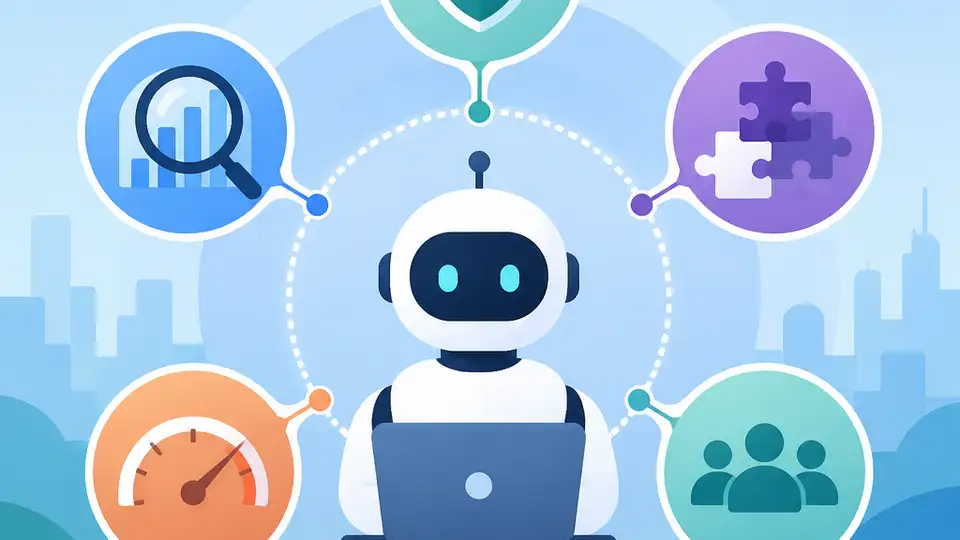
FDE matters because it helps teams turn models into working agents inside real customer workflows.
Anthropic’s work with FIS points to a shift in AI delivery: the scarce skill is no longer only model building, but getting models into real environments and teaching customers to keep going. In the FIS project, Anthropic said it was not just shipping one agent; it was also transferring knowledge so FIS could build and extend more agents on its own.
1. FDE puts AI inside real workflows
Get the latest AI news in your inbox
Weekly picks of model releases, tools, and deep dives — no spam, unsubscribe anytime.
No spam. Unsubscribe at any time.
Field Deployment Engineers, or FDEs, sit close to the customer’s actual process, not an abstract demo. That matters because agent projects fail less from weak model output than from weak fit with the work, the data, and the people who use it.
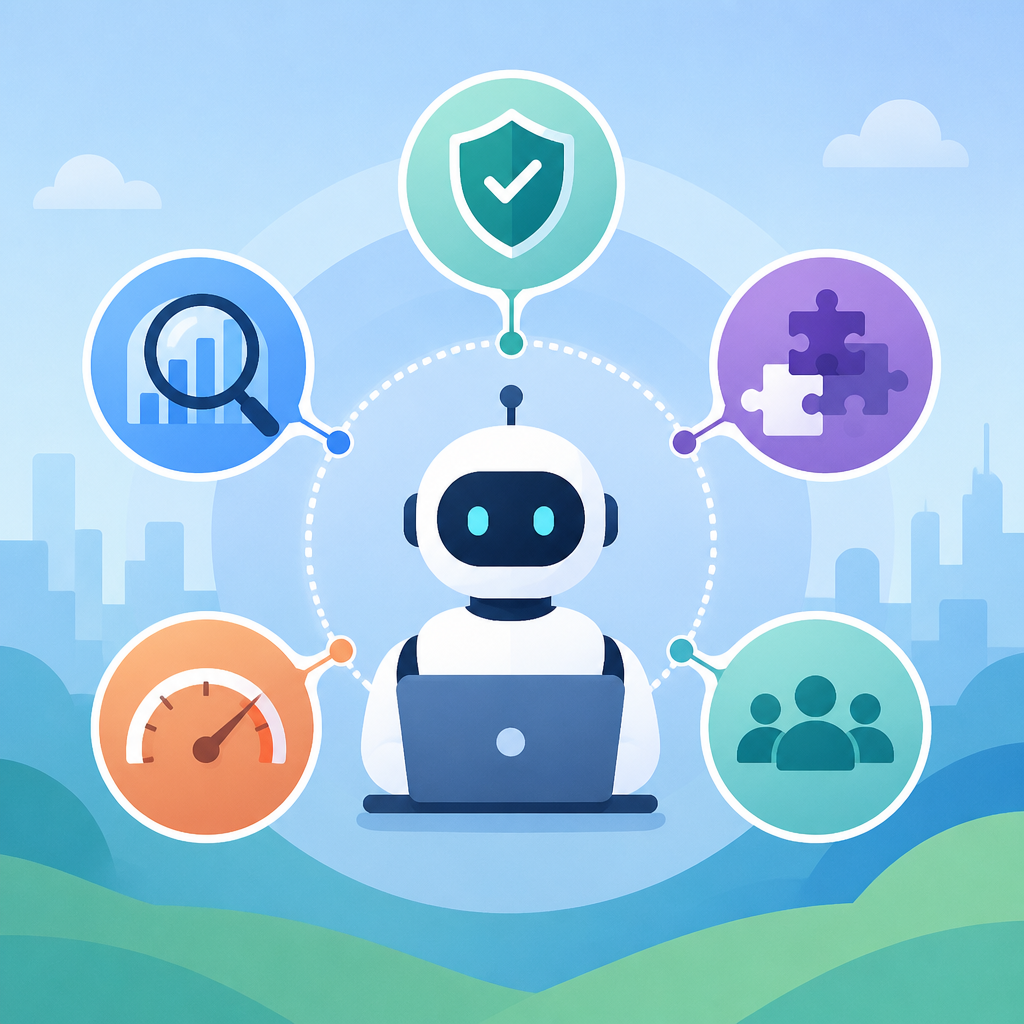
In practice, an FDE helps map where an agent should act, what it should never do, and how humans stay in the loop. That makes the output more useful on day one and easier to trust later.
- Maps business steps to agent actions
- Finds edge cases before launch
- Sets guardrails for review and escalation
2. It turns one project into a repeatable capability
The most important part of the FIS example is not the first agent itself, but the transfer of knowledge. When a vendor teaches the customer how to build, test, and extend agents, the customer is not stuck buying every new workflow as a service.
That changes the economics of AI adoption. Instead of one-off consulting, the organization starts building internal muscle: prompt design, evaluation habits, deployment patterns, and governance rules that can be reused.
- Shared templates for agent design
- Internal playbooks for testing and rollout
- Reusable patterns for future use cases
3. It is better than a pure model-first approach
Model-first teams often start with benchmarks, parameter counts, or benchmark wins. Those matter, but they do not answer the messier question: can this agent survive contact with real operations, compliance checks, and changing data?
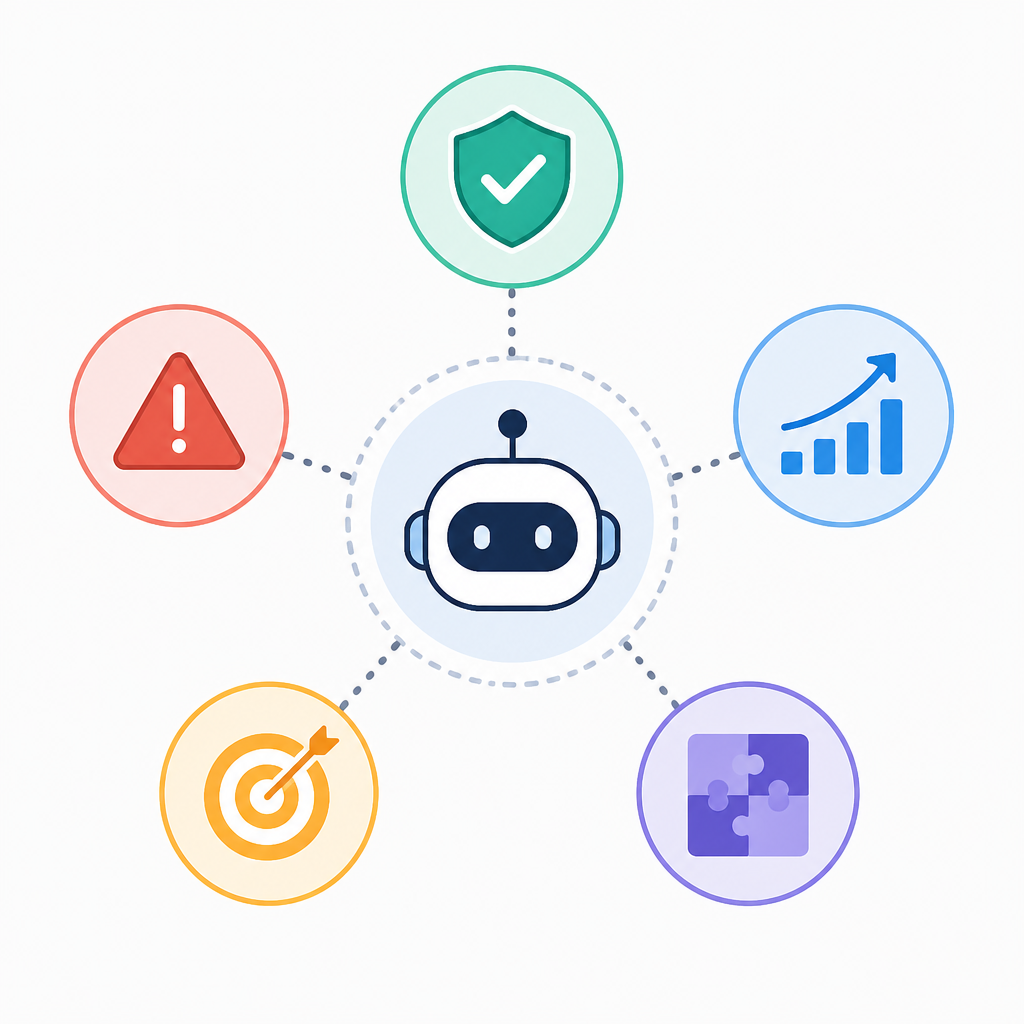
FDE work shifts attention from “Which model is best?” to “What does success look like in this company?” That is a better frame for enterprise AI, where the same model can look brilliant in a lab and awkward in production.
- Production constraints are included early
- Security and compliance are part of design
- Business owners get a say before launch
4. It fits regulated industries first
FIS is a financial services company, which is exactly the kind of environment where agent behavior must be controlled. In regulated settings, every automated step can create review, audit, and liability questions, so a loose prototype is not enough.
FDEs help translate AI into something that can pass those checks. They work with stakeholders to define acceptable actions, logging, approvals, and fallback paths, which is why this role is gaining attention in banking, insurance, healthcare, and other high-stakes sectors.
Example controls for a regulated agent:
- Log every recommendation
- Route high-risk actions to a human reviewer
- Keep an audit trail for each decision
- Limit access to sensitive records
5. It changes what “AI talent” means
The FDE story also changes hiring. If the hardest part of agent adoption is field work, then companies need people who can bridge product, engineering, operations, and customer needs. That is a different profile from a pure model researcher or a classic software salesperson.
For teams building AI strategy, this means the talent gap may sit in deployment, evaluation, and change management. The companies that recognize that early will likely move faster than the ones still treating AI as a model-only problem.
- Technical enough to shape implementation
- Practical enough to work with users
- Structured enough to teach others
How to decide
If you are building agents for a customer-facing or regulated workflow, FDE support is worth more than another model upgrade. If your team already has strong internal AI skills, the biggest gain may be knowledge transfer, so the vendor helps you build the next system yourself.
If you are still early, start by asking whether your bottleneck is model quality or field execution. The FIS example suggests that for many enterprise teams, the real gap is not intelligence in the model, but the ability to put that intelligence into the hands of the people who need it.
// Related Articles
- [IND]
OpenAI’s IPO filing turns hype into scrutiny
- [IND]
Skatteetaten proves public sector AI should be judged by outcomes
- [IND]
OpenAI’s IPO filing puts AI’s biggest test on Wall Street
- [IND]
OpenAI’s latest moves now center on pricing, safety, and scale
- [IND]
RISC-V mini PCs are worth buying now, but only as a bet on the future
- [IND]
Fedora 44 RISC-V widens Linux board support