5 reasons Mistral AI bought Emmi AI
5 reasons Mistral AI bought Emmi AI and what the deal means for industrial AI buyers across Europe.

Mistral AI acquired Emmi AI to strengthen its industrial AI offering in Europe.
France’s Mistral AI said it has bought Linz-based Emmi AI for an undisclosed sum, a move aimed at expanding its appeal to industrial clients across Europe. The deal points to a broader push from one of Europe’s leading AI firms into physics-heavy use cases where manufacturers want faster simulation, better engineering support, and more local options.
1. A faster route into industrial accounts
Get the latest AI news in your inbox
Weekly picks of model releases, tools, and deep dives — no spam, unsubscribe anytime.
No spam. Unsubscribe at any time.
The clearest reason for the deal is market access. Emmi AI gives Mistral a foothold in industrial workflows that are often harder to win with general-purpose AI products alone. For buyers in manufacturing, energy, and transport, the acquisition signals that Mistral wants to be more than a chat model provider.

That matters because industrial AI buying is shaped by trust, integration, and domain fit. A vendor that can speak the language of physics-based modeling and engineering teams has a better shot at getting into long sales cycles.
- Target users: manufacturers, engineering teams, industrial software vendors
- Likely use cases: simulation assistance, design optimization, predictive analysis
- Business goal: deepen enterprise adoption across Europe
2. More depth in physics-based AI
Emmi AI’s value appears to lie in its physics-oriented approach, which can help model real-world industrial systems more accurately than generic text-first tools. That makes the startup a useful fit for sectors where equations, geometry, and physical constraints matter.
For Mistral, adding this kind of expertise can widen the gap between a general model stack and a product set tuned for engineering work. It also gives the company a stronger story when pitching AI for complex, high-cost decisions.
- Physics-heavy tasks: fluid dynamics, structural behavior, thermal systems
- Buyer benefit: better fit for simulation-driven workflows
- Product angle: AI tools that complement existing engineering software
3. A stronger European industrial pitch
The acquisition also reinforces Mistral’s European identity at a time when many companies want alternatives to U.S.-based AI suppliers. By pairing a French AI company with an Austrian startup, the deal supports a regional story that may appeal to firms concerned about data handling, procurement, and vendor alignment.
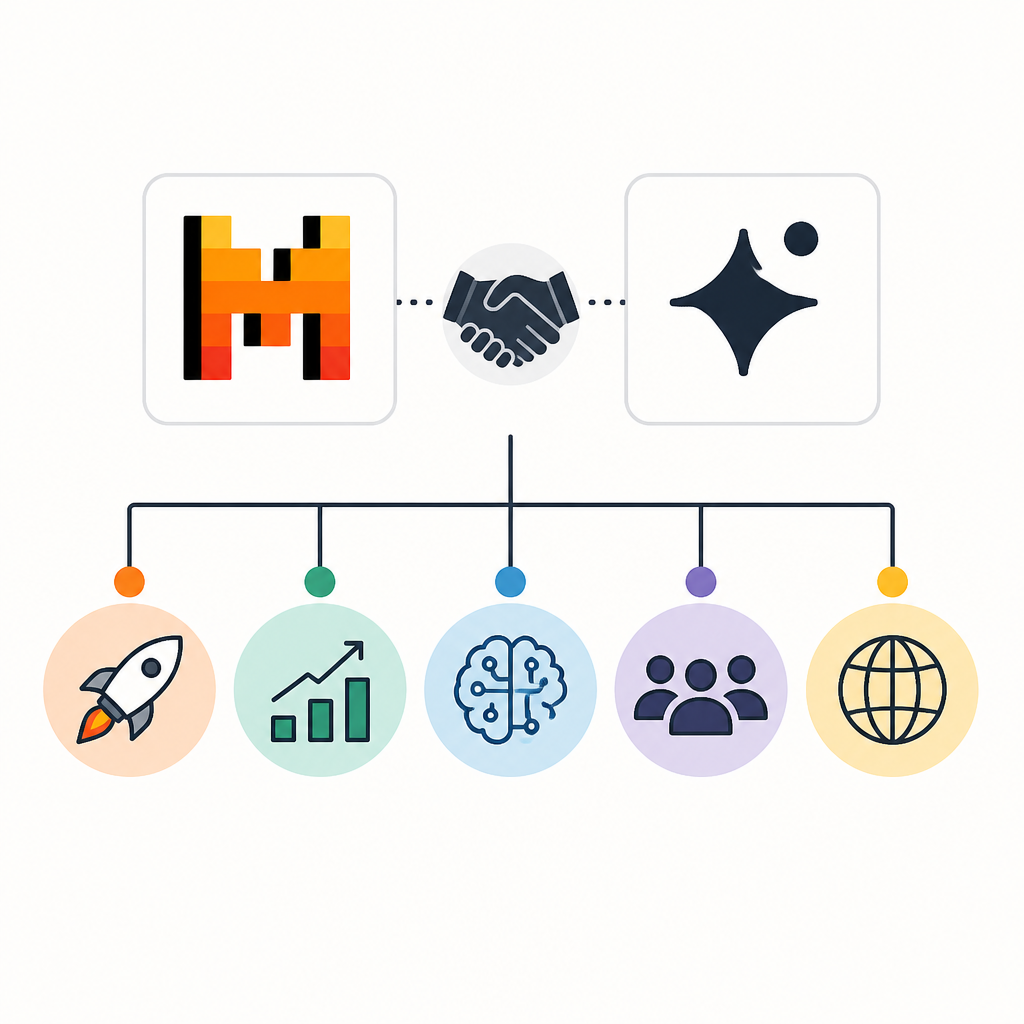
That regional angle is not just branding. Industrial customers often prefer vendors that understand local compliance expectations and can work closely with on-the-ground teams. A Europe-centered offering can help shorten that trust gap.
- Geography: France plus Austria, with a Europe-wide sales focus
- Customer concern: data control and vendor proximity
- Commercial upside: better fit for regulated or cautious buyers
4. A signal that Mistral wants vertical products
Buying Emmi AI suggests Mistral is moving further into vertical AI, where products are tailored to specific industries rather than sold as broad platforms. That can be a smart way to compete when foundation models alone are no longer enough to win enterprise deals.
Vertical products can also make pricing easier to justify. If an AI system improves simulation speed, reduces engineering rework, or supports better design choices, the return on investment is easier for industrial buyers to measure.
- Vertical focus: industrial AI rather than general-purpose assistants
- Value metric: time saved in engineering and simulation workflows
- Sales benefit: clearer ROI story for procurement teams
5. A reminder that AI deals are still strategic bets
The price was undisclosed, which is common in smaller AI acquisitions, but the strategic intent is clear. Mistral is betting that specialized expertise can make its broader platform more competitive in sectors where practical outcomes matter more than model size alone.
For readers tracking the market, the deal shows how AI companies are buying domain knowledge to speed up product development. In industrial AI, the winners may be the firms that can combine large models with specialized engineering know-how.
- Deal detail: undisclosed purchase price
- Strategic pattern: acquire domain expertise instead of building it slowly in-house
- Industry takeaway: specialization is becoming a buying trigger
How to decide
If you are an industrial buyer, this deal is a sign to watch Mistral more closely if you want AI tied to engineering and simulation work. If you are a competitor, it is a reminder that domain-specific capabilities can matter as much as model performance.
If you are an investor or market watcher, the acquisition suggests that Europe’s AI firms are still in the consolidation phase, with product breadth and sector depth becoming key ways to compete.
// Related Articles
- [IND]
OpenAI’s IPO filing turns hype into scrutiny
- [IND]
Skatteetaten proves public sector AI should be judged by outcomes
- [IND]
OpenAI’s IPO filing puts AI’s biggest test on Wall Street
- [IND]
OpenAI’s latest moves now center on pricing, safety, and scale
- [IND]
RISC-V mini PCs are worth buying now, but only as a bet on the future
- [IND]
Fedora 44 RISC-V widens Linux board support