5 ways House Republicans say they back veterans
5 ways House Republicans say they back veterans, from faster claims to housing and care, with a 63% drop in claims backlog cited under Trump.
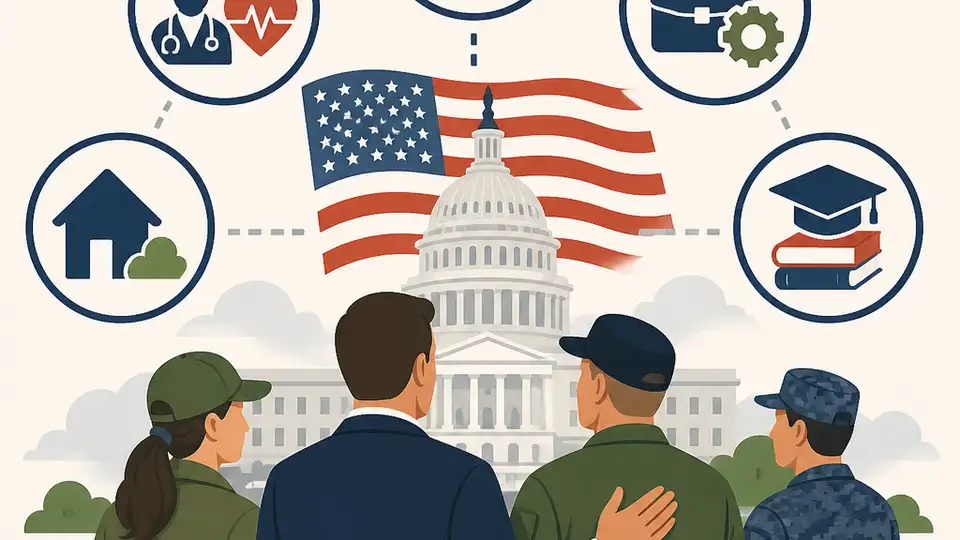
House Republicans say veterans need action on care, benefits, and military readiness.
Rep. Lisa McClain’s Memorial Day message argues that veterans need votes, not just praise. Her op-ed cites a 63% drop in the VA claims backlog under President Trump, after a 24% rise during the Biden Administration, as proof that policy choices change outcomes.
| Item | Main focus | Noted detail |
|---|---|---|
| Veterans ACCESS Act | Care access | Lets veterans choose where they get care |
| Sharri Briley and Eric Edmundson Veterans Benefits Expansion Act | Benefits and survivor support | Aims to help disabled veterans and Gold Star families |
| Military Construction, Veterans Affairs, and Related Agencies Appropriations Act | Funding and readiness | Provides $157 billion for troops, veterans, and military families |
| Afghanistan accountability efforts | Recognition and oversight | Gold Medal for the 13 servicemembers killed at Abbey Gate |
1. Faster VA claims processing
Get the latest AI news in your inbox
Weekly picks of model releases, tools, and deep dives — no spam, unsubscribe anytime.
No spam. Unsubscribe at any time.
McClain uses the VA backlog as the clearest example of why administration matters. She says the claims backlog rose 24% under Biden and fell 63% under Trump, framing that gap as a test of whether Washington treats veterans as a priority or an afterthought.
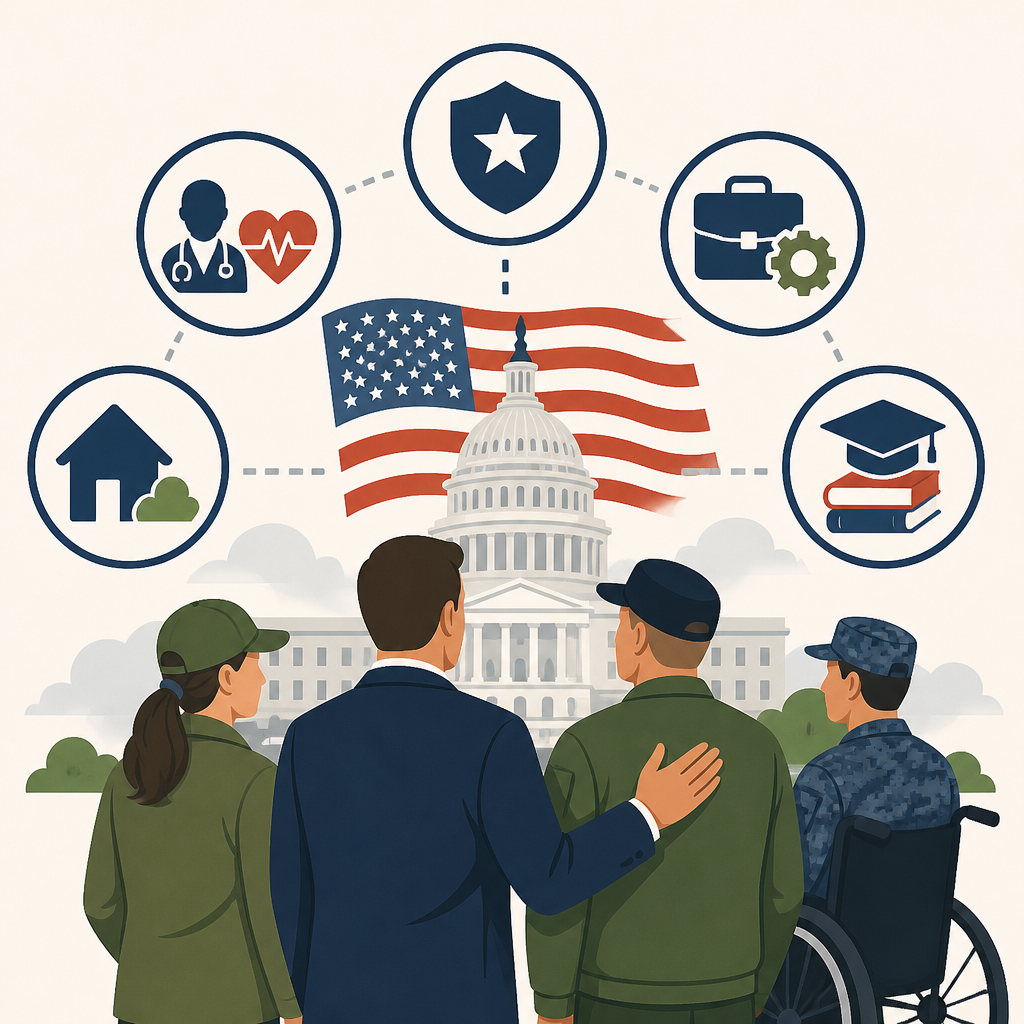
The point is simple: a veteran waiting on benefits feels policy in real time. When claims move faster, families can plan, bills get paid, and care arrives sooner.
- Claim backlog cited: up 24% under Biden, down 63% under Trump
- Policy message: speed matters as much as speeches
- Effect on families: less waiting, less uncertainty
2. Care choices that put veterans first
House Veterans’ Affairs Republicans advanced the Veterans ACCESS Act to give veterans more control over where they receive care. McClain notes that every Democrat on the committee voted against it, using the vote to draw a contrast between access and bureaucracy.
For veterans, this is about practical control. The less time they spend fighting the system, the more time they can spend getting treatment from the provider that fits their needs.
- Bill named in the op-ed: Veterans ACCESS Act
- Goal: more control over care location
- Political split: committee Republicans for, Democrats against
3. Better benefits for disabled veterans and survivors
McClain also highlights the Sharri Briley and Eric Edmundson Veterans Benefits Expansion Act. She says it would increase support for disabled veterans and the surviving families of fallen service members, and she criticizes Democrats for voting no or nearly all voting no.
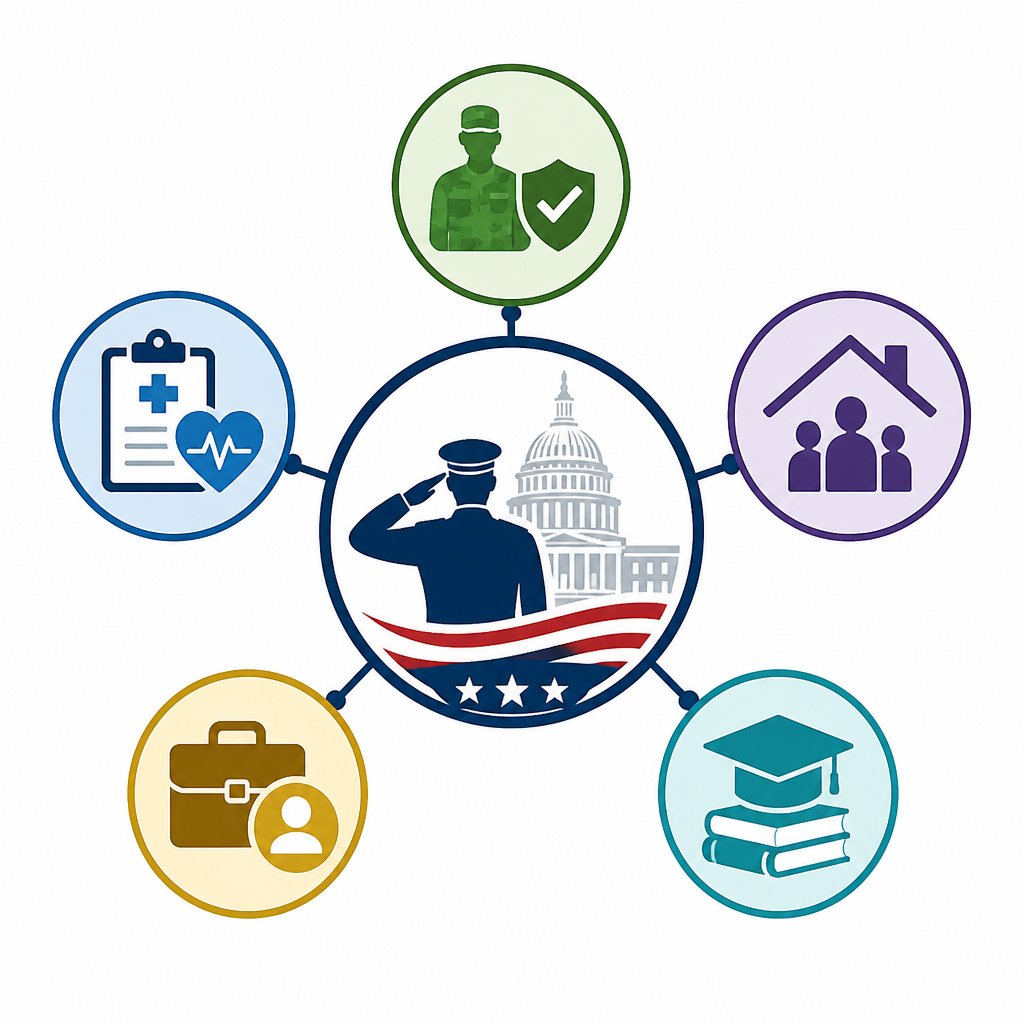
This section of the op-ed is about the people left behind after service ends or a life is lost. The bill is presented as a direct answer to that need, with benefits aimed at both disability and survivor support.
- Bill named in the op-ed: Sharri Briley and Eric Edmundson Veterans Benefits Expansion Act
- Targets: disabled veterans and Gold Star families
- Message: support should extend to survivors, not stop at the uniform
4. End military policies that hurt recruiting
McClain argues that the Biden Administration’s COVID vaccine mandate, along with DEI, climate plans, and pronoun guidance, pulled the military away from its mission. She says more than 8,700 servicemembers were discharged under the mandate during a recruiting crisis, and Republicans later fought to end it and reinstate those troops with back pay and full rank.
Her broader claim is that troops need training, safe housing, modern equipment, and leaders focused on readiness. In her view, politics inside the chain-of-command weakens trust and hurts the force.
- Discharges cited: more than 8,700 servicemembers
- Issues criticized: vaccine mandate, DEI bureaucracy, climate plans, pronoun guidance
- Republican response: end the mandate and restore troops
5. Fund care, housing, and accountability
McClain points to the Military Construction, Veterans Affairs, and Related Agencies Appropriations Act as a concrete funding answer. She says it provides $157 billion for troops, veterans, and military families, fully funds veterans’ health care, and supports mental health, suicide prevention, homelessness programs, medical research, prosthetics, barracks, and military housing.
She also ties accountability to the Abbey Gate attack in Afghanistan, saying the Gold Medal for the 13 killed servicemembers was one of her first bills to become law. In her telling, honoring the fallen means more than ceremony; it means fixing the systems that failed them.
- Funding level cited: $157 billion
- Includes: health care, mental health, suicide prevention, housing, prosthetics
- Abbey Gate note: Gold Medal awarded to the 13 killed servicemembers
How to decide
If you want a quick read on McClain’s argument, start with the claims backlog and the care-access bills. Those are the most direct examples of how veterans’ policy affects daily life. If you care more about force readiness, the sections on mandate fallout, DEI, and recruitment show the military side of the message.
For readers focused on family support and remembrance, the survivor benefits bill, the appropriations package, and the Abbey Gate account are the strongest fits. Together, they frame the op-ed’s core claim: veterans need action that changes outcomes, not just public praise.
// Related Articles
- [IND]
OpenAI updates its Europe privacy policy
- [IND]
OpenAI is right to keep ads out of sensitive chats
- [IND]
AI bootlegs are already draining streaming royalties
- [IND]
AMD and Microsoft push Windows ML on GPU and NPU
- [IND]
OpenAI’s IPO filing turns hype into scrutiny
- [IND]
Skatteetaten proves public sector AI should be judged by outcomes