AI and Tech Trends to Watch for in 2026
Explore the key AI and tech trends expected to shape 2026, from quantum computing breakthroughs to the rise of AI super agents.

In the fast-paced world of technology, a single year can bring about significant transformations. As we look ahead to 2026, the landscape of artificial intelligence and technology promises to be anything but static. A recent discussion with experts from IBM and other tech leaders highlights several key trends expected to shape the year.
AI Agent Systems Become Mainstream
Get the latest AI news in your inbox
Weekly picks of model releases, tools, and deep dives — no spam, unsubscribe anytime.
No spam. Unsubscribe at any time.
IBM's Kate Blair suggests that 2026 will be the year when multi-agent systems move into full production. This shift is anticipated to unlock new possibilities for businesses across various sectors. These agent systems will not only enhance productivity but also redefine how tasks are managed and executed in enterprise settings.
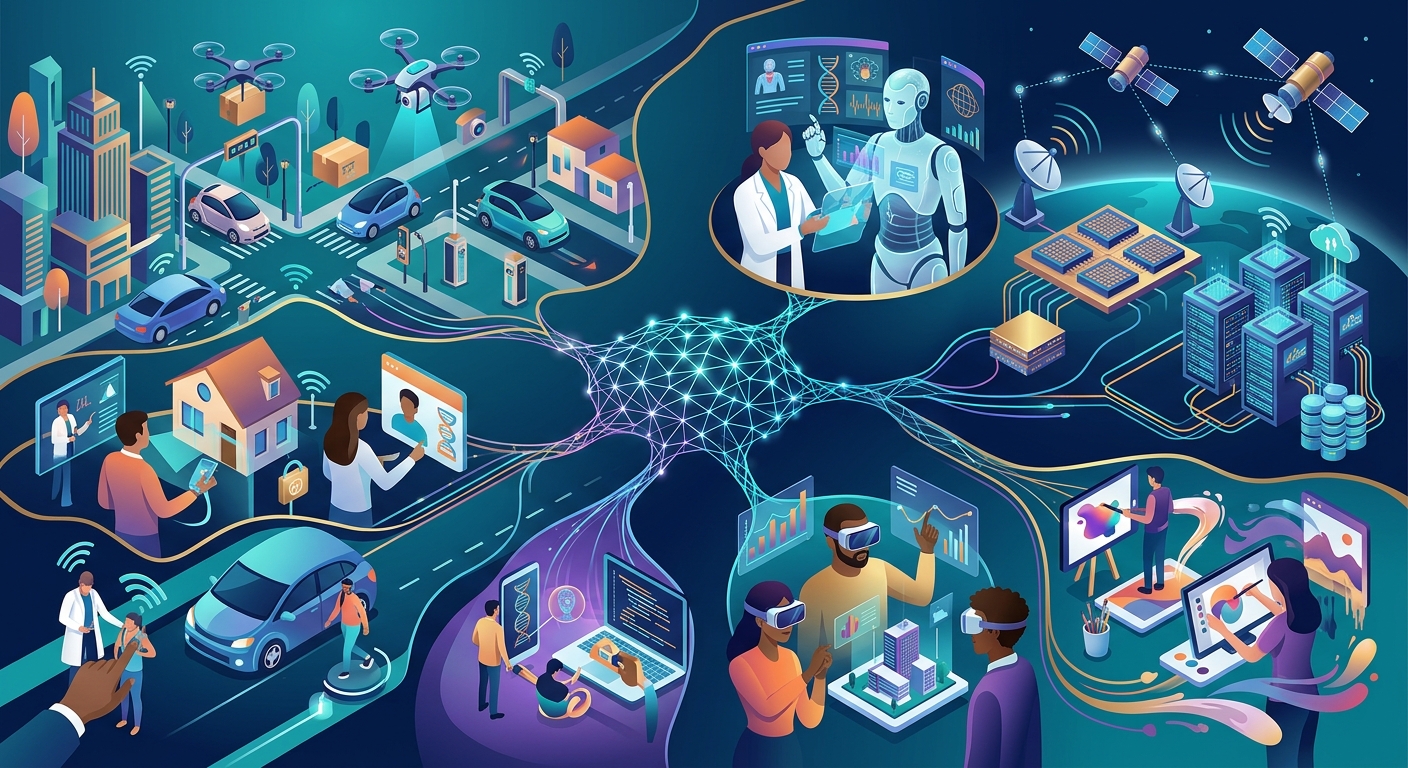
- Agent systems are expected to integrate seamlessly into existing workflows.
- AI agents will evolve from simple assistants to complex task orchestrators.
- Integration with tools like Google’s A2A could further enhance their capabilities.
Quantum Computing Breakthroughs
Quantum computing is poised to reach a significant milestone by 2026, according to Jamie Garcia, IBM's Director of Strategic Growth and Quantum Partnerships. This year is expected to mark the first instance where a quantum computer outperforms a classical computer, potentially revolutionizing several industries.
"We’ve moved past theory. Today, we’re using the industry’s best-available quantum computers for real use cases," said Jamie Garcia.
This advancement promises breakthroughs in fields such as drug development, materials science, and financial optimization.
Hardware Efficiency as a New Strategy
Kaoutar El Maghraoui, a Principal Research Scientist at IBM, predicts a shift towards hardware efficiency as a primary scaling strategy. With demand outpacing supply, companies are focusing on optimizing their compute resources.
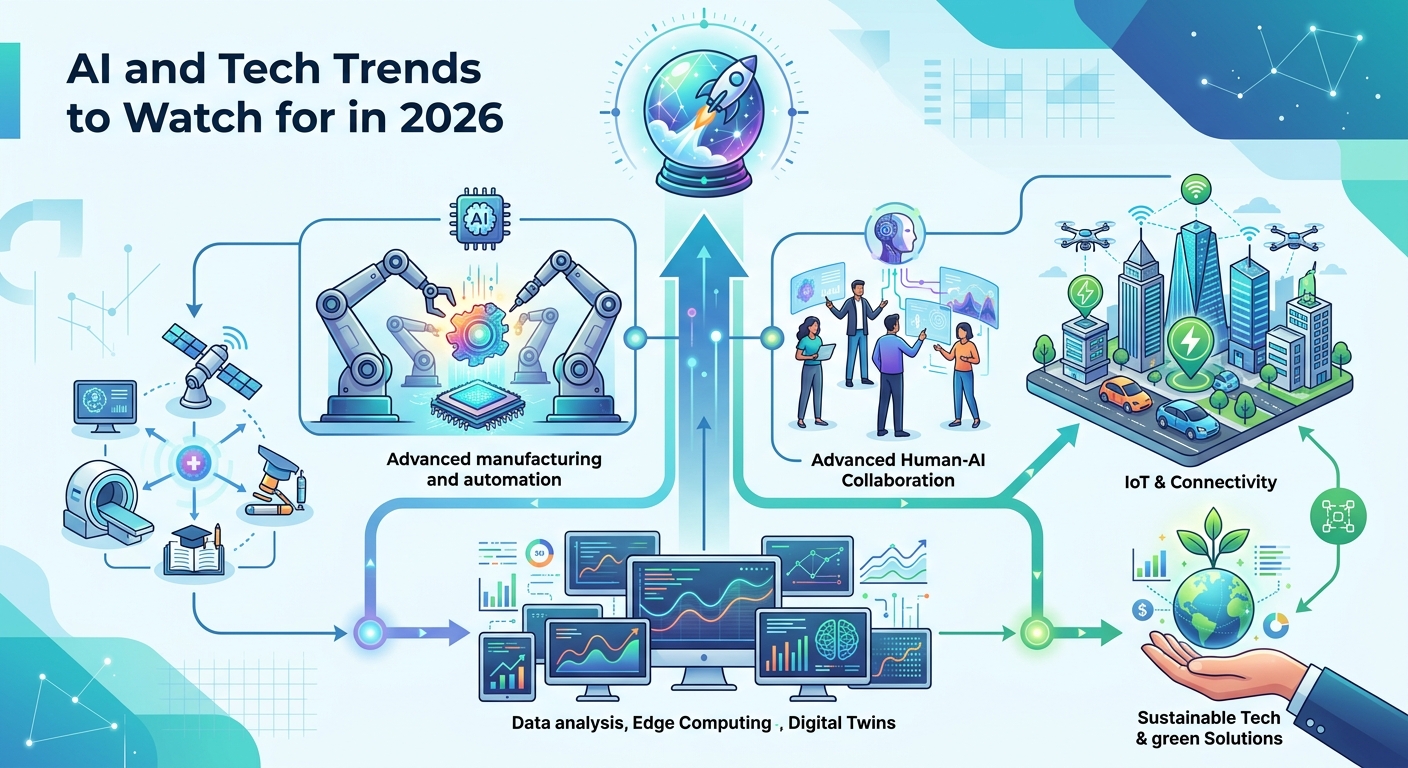
- ASIC-based accelerators and chiplet designs will gain prominence.
- Quantum-assisted optimizers will become more mature.
- The hardware race will extend beyond GPUs to include new types of chips.
AI System Integration
Gabe Goodhart, IBM's Chief Architect for AI Open Innovation, emphasizes that the future of AI lies in system integration rather than individual models. This approach involves orchestrating models, tools, and workflows to create efficient AI systems.
- ChatGPT and similar tools will evolve into comprehensive software systems.
- Cooperative model routing will allow smaller models to handle specific tasks efficiently.
- System-level integration will become a competitive advantage in the AI market.
Concluding Thoughts
As we approach 2026, the technology sector is set to undergo substantial changes. From the integration of multi-agent systems into mainstream operations to the anticipated breakthroughs in quantum computing, the coming year promises to be transformative. Businesses and individuals alike should prepare to adapt to these advancements, leveraging them to enhance productivity and innovation. The challenge now lies in effectively integrating these technologies to harness their full potential.
// Related Articles
- [IND]
Skatteetaten proves public sector AI should be judged by outcomes
- [IND]
OpenAI’s IPO filing puts AI’s biggest test on Wall Street
- [IND]
OpenAI’s latest moves now center on pricing, safety, and scale
- [IND]
RISC-V mini PCs are worth buying now, but only as a bet on the future
- [IND]
Fedora 44 RISC-V widens Linux board support
- [IND]
June 2026 agentic AI platform war centers on memory