Anthropic adds 12 Claude tools for legal work
Anthropic added a dozen Claude tools for lawyers and law students as it pushes deeper into legal workflows.
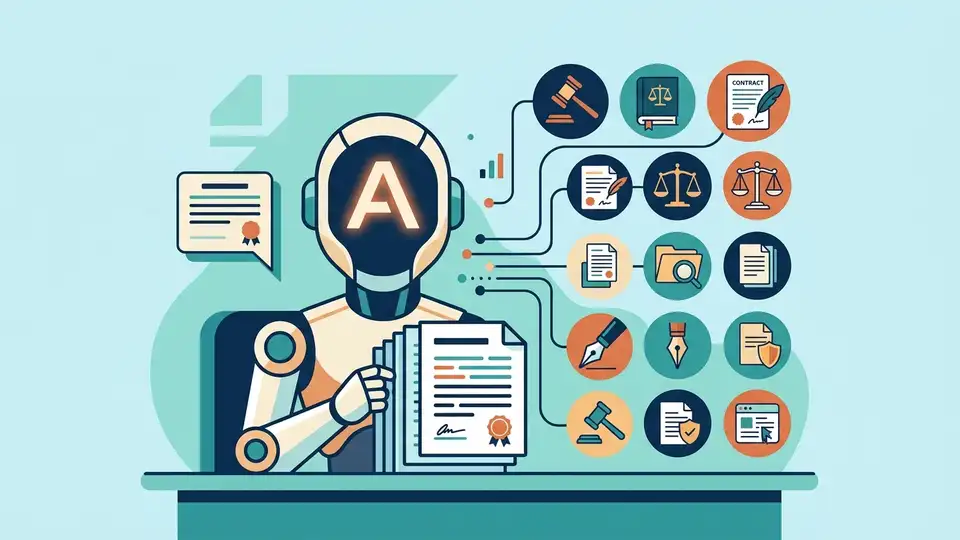
Anthropic added a dozen Claude tools for lawyers and law students.
Anthropic is pushing Claude deeper into legal work with 12 new tools for attorneys, law students, and other legal users. The move lands months after the company’s earlier, quieter product changes helped rattle software investors who were already worried about how fast AI could move into office workflows.
The new release is a practical one: instead of talking about broad AI vision, Anthropic is packaging Claude for legal tasks that can eat up hours in a firm’s day. That matters because legal work is expensive, document-heavy, and full of repeatable steps that software can speed up if the output is accurate enough.
| Item | Detail |
|---|---|
| Company | Anthropic |
| Product | Claude |
| New tools announced | 12 |
| Target users | Attorneys, law students, legal professionals |
| Announcement date | May 12, 2026 |
What Anthropic is trying to do
Get the latest AI news in your inbox
Weekly picks of model releases, tools, and deep dives — no spam, unsubscribe anytime.
No spam. Unsubscribe at any time.
Anthropic’s legal push is about making Claude useful inside real workflows, not just in a chat window. The company is aiming at tasks where speed matters and the structure is already familiar: research, drafting, review, and summary work that legal teams repeat every day.
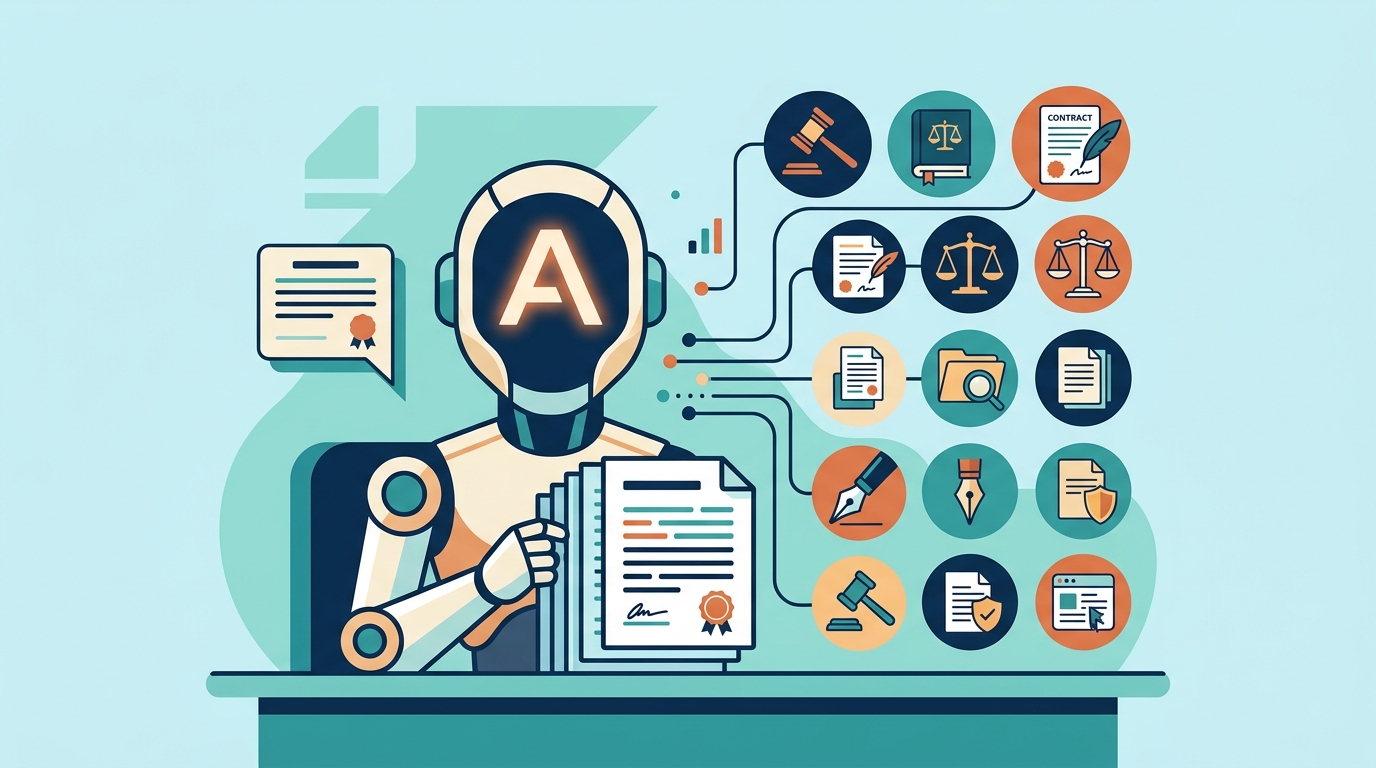
That approach fits Anthropic’s broader product strategy. Claude has already been positioned as a strong writing and analysis assistant, and legal work is one of the clearest places where those strengths translate into billable time saved. If a tool can cut the time spent on first-pass reading or document comparison, firms will pay attention fast.
- 12 new tools were announced for legal users
- Target audience includes attorneys and law students
- The release follows earlier Claude feature additions that drew market attention
- Legal workflows are a good fit for document-heavy AI assistance
Why the legal market matters
Legal services are one of the most attractive markets for AI vendors because the work is text-heavy, expensive, and heavily standardized. That does not mean lawyers will hand over judgment to a chatbot, but it does mean they are far more likely to use AI for research, drafting, and internal review than many other professions.
Anthropic is entering a field that already includes OpenAI, Microsoft Copilot, and legal-tech vendors that have spent years building trust with firms. The advantage for Anthropic is that Claude already has a reputation for strong long-form writing and careful responses, which matters in a profession where bad wording can become a liability.
“The legal profession is one of the most promising applications of generative AI,” said Dario Amodei, Anthropic’s chief executive, in a 2024 interview with Lex Fridman.
That quote helps explain the company’s direction. Anthropic is not treating legal AI as a side experiment. It is treating it as a market where product quality, compliance, and trust can translate directly into adoption.
How this compares with the last wave of AI software moves
Anthropic’s earlier product changes showed how sensitive the market has become to AI features that can replace parts of enterprise software. Even a narrow update can trigger investor fear if it hints that existing workflows may get compressed into a cheaper, faster AI layer.
Compared with general-purpose assistants, these legal tools are narrower and more pointed. That is the smart move. A legal team does not need a chatbot that can do everything. It needs a system that can handle specific work with fewer mistakes and less supervision.
- Anthropic is selling a focused workflow toolset, not a broad consumer assistant
- OpenAI has pursued general productivity and enterprise use cases across many sectors
- Legal-tech firms have spent years building domain-specific trust and compliance features
- Narrow tools are easier to evaluate inside firms than open-ended chat products
There is also a timing angle here. Legal AI buyers have become more cautious about hallucinations, source tracing, and confidentiality. Any company trying to win this market has to show that it can support the boring but important parts of legal work: citations, document handling, and predictable behavior under pressure.
What to watch next
The key question is whether these 12 tools become a real foothold in law firms or just another feature set that gets tested and then ignored. The answer will depend on whether Anthropic can prove that Claude saves time without creating new review burdens for lawyers.
If the company can show adoption in research and drafting workflows, expect more legal-specific packaging, deeper integrations, and tighter competition with established legal software vendors. If not, this will read as a smart but limited move in a market that is already crowded with AI promises.
For now, the signal is clear: Anthropic wants Claude inside the legal stack, and it is willing to build for one profession at a time to get there.
// Related Articles
- [IND]
Skatteetaten proves public sector AI should be judged by outcomes
- [IND]
OpenAI’s IPO filing puts AI’s biggest test on Wall Street
- [IND]
OpenAI’s latest moves now center on pricing, safety, and scale
- [IND]
RISC-V mini PCs are worth buying now, but only as a bet on the future
- [IND]
Fedora 44 RISC-V widens Linux board support
- [IND]
June 2026 agentic AI platform war centers on memory