Anthropic Buys Stainless for $300M+
Anthropic is buying Stainless for $300M+, taking control of the SDK generator used by OpenAI, Google, Meta, and Cloudflare.
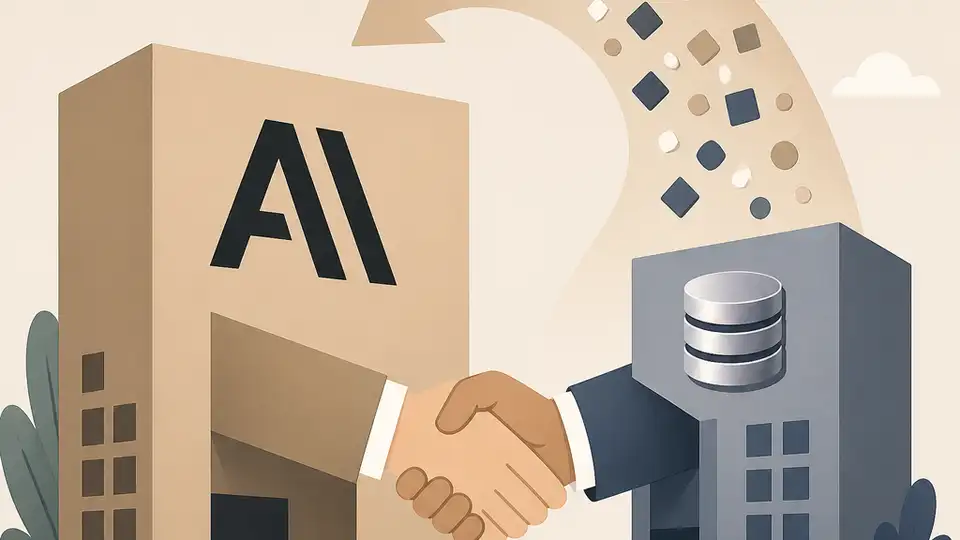
Anthropic is buying Stainless for $300M+, taking control of a tool used to generate SDKs for major AI vendors.
Anthropic confirmed on Monday that it is acquiring Stainless, the New York startup that quietly powers official SDKs for Anthropic, OpenAI, Google, Meta, and Cloudflare. The reported price is at least $300 million, roughly double Stainless’s $150 million valuation from December 2024. That is a big number for a company most people outside developer tooling had never heard of.
The deal matters because SDKs are the boring layer that decides whether AI products are easy to ship or a pain to maintain. If your team builds anything that talks to AI APIs, the library quality affects onboarding time, bug rates, and how quickly vendors can push updates into production.
| Metric | Value | What it means |
|---|---|---|
| Reported deal value | $300M+ | Anthropic is paying a premium for infrastructure, not a model |
| Stainless valuation in Dec. 2024 | $150M | The acquisition price is about 2x that mark |
| Founding year | 2022 | The company moved from startup to strategic asset in four years |
| Series A | $25M | Raised in December 2024 with Andreessen Horowitz leading |
Why Anthropic wanted Stainless
Get the latest AI news in your inbox
Weekly picks of model releases, tools, and deep dives — no spam, unsubscribe anytime.
No spam. Unsubscribe at any time.
Stainless built a compiler-like system that generates official SDKs from API specs. That sounds niche, but it solves a real headache: every serious API vendor wants clean client libraries in Python, TypeScript, Go, Java, Kotlin, and other languages without maintaining each one by hand.
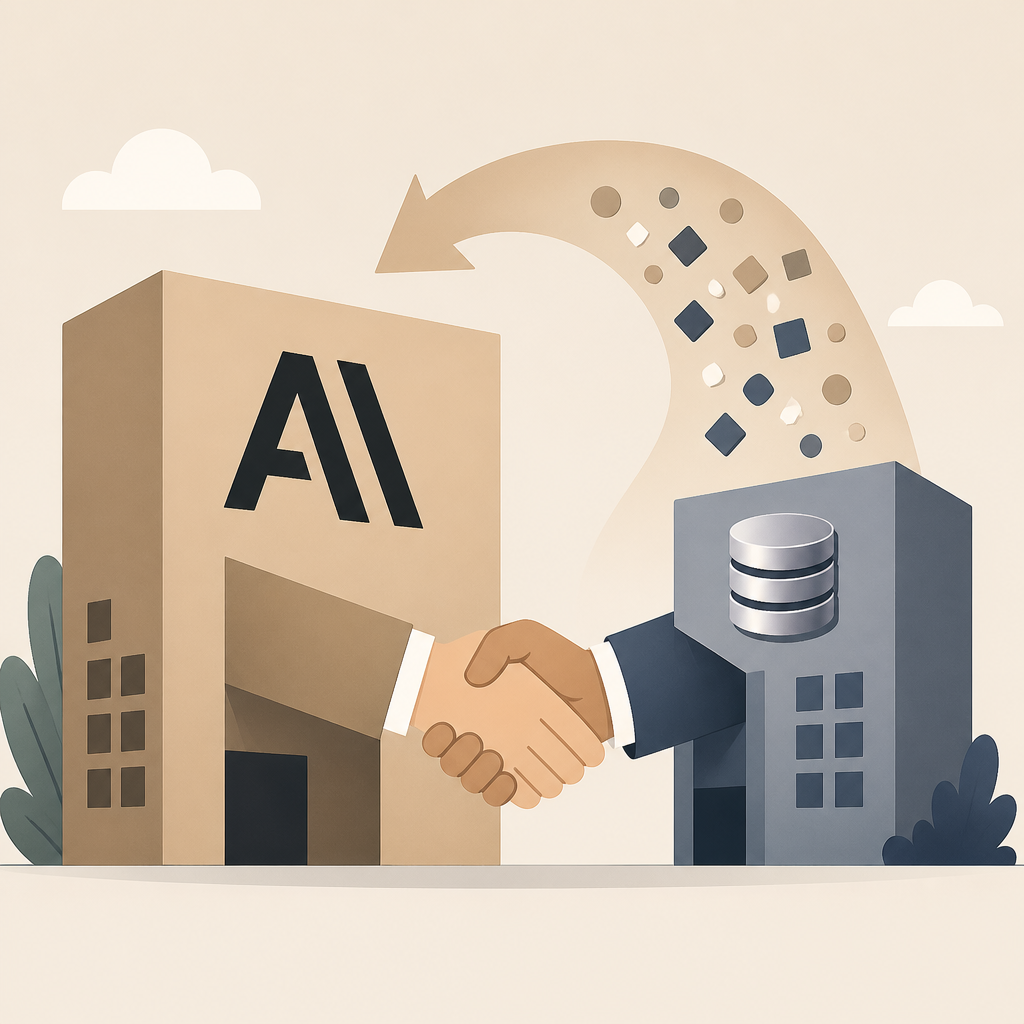
The company’s customers include some of the biggest names in AI infrastructure. According to the original reporting cited by TechCrunch and Anthropic’s own announcement, Stainless became the trusted way to automate SDK generation for vendors that care about developer experience and consistency.
Stainless was founded in 2022 by former Stripe engineer Alex Rattray. In December 2024, it raised a $25 million Series A led by Andreessen Horowitz, with participation from Sequoia, Felicis, and MongoDB Ventures. The jump from that round to a $300 million-plus acquisition tells you how quickly developer tooling can become strategic once it sits in the middle of many products.
“We’re joining Anthropic to accelerate our mission of helping teams build and ship software faster,” said Alex Rattray in Anthropic’s announcement.
- Anthropic will wind down Stainless’s hosted products.
- Existing generated SDKs are expected to keep working for current customers.
- New vendors may need to use Anthropic-owned tooling or build their own generators.
- The acquisition gives Anthropic influence over a layer rivals also depend on.
What this means for AI vendors and buyers
This is where the story gets practical. If your company buys AI services, you are already depending on SDKs whether you think about them or not. Your ATS, HRIS, payroll engine, finance automation tool, and candidate-sourcing agent all need client libraries that your engineers can trust.
For smaller vendors, the acquisition raises the bar. Rolling your own SDK generator is expensive, and maintaining high-quality libraries across several languages is even harder. A startup with 20 or 30 people will likely take the path of least resistance and adopt whatever Anthropic ships next.
Larger vendors have more room to push back. They can build internal generators, use open-source alternatives, or keep more of the stack in-house. But that takes engineering time, and it also creates maintenance debt that many teams would rather avoid.
- Short term: most existing customers should see little disruption.
- Medium term: pricing, access, and roadmap control could shift.
- Long term: Anthropic owns a toll booth on a layer rivals use.
- Procurement teams will need to ask vendors what SDK tooling they depend on.
The bigger signal in the acquisition
The cleanest read is that 2026 is no longer just about model quality. It is about control of the tools, libraries, and workflows that sit around the models. Anthropic buying Stainless follows a broader pattern in which AI companies are moving down the stack and buying the infrastructure that makes their rivals easier to ship.

That matters because infrastructure control shapes how fast products can move, how much vendors depend on one another, and how much room customers have if they want to switch providers later. If the SDK layer becomes more concentrated, switching costs rise even when the underlying models look interchangeable.
For teams building AI into internal systems, the lesson is simple: ask your vendors which SDK generator they use, who owns it, and what happens if that tool changes hands again. If they cannot answer clearly, that is a procurement risk, not an implementation detail.
What to watch next
The next few months will show whether Anthropic keeps Stainless’s tooling open and predictable for outside developers or turns it into a tighter part of its own distribution strategy. That choice will matter for every company shipping APIs that need polished client libraries.
My bet is that more AI labs will start buying the unglamorous layers around model access: SDK generators, observability tools, eval platforms, and deployment plumbing. If you build software on top of AI, the safest move this quarter is to map your dependencies now, before one of those layers changes owners again.
For related coverage, see our take on the AI skills gap in HR.
// Related Articles
- [IND]
OpenAI’s IPO filing turns hype into scrutiny
- [IND]
Skatteetaten proves public sector AI should be judged by outcomes
- [IND]
OpenAI’s IPO filing puts AI’s biggest test on Wall Street
- [IND]
OpenAI’s latest moves now center on pricing, safety, and scale
- [IND]
RISC-V mini PCs are worth buying now, but only as a bet on the future
- [IND]
Fedora 44 RISC-V widens Linux board support