Anthropic pushes Claude deeper into legal work
Anthropic expanded Claude for Legal with new plug-ins and MCP connectors for law firms, intensifying competition with Harvey and Legora.

Anthropic added legal plug-ins and connectors to Claude for paying law-firm customers.
Anthropic is pushing deeper into legal software with a new batch of Claude for Legal features, and the timing is no accident. The company announced the update on May 12, 2026, as rivals like Harvey and Legora keep raising huge rounds and selling the same promise: faster legal work with fewer manual steps.
| Item | Number | What it means |
|---|---|---|
| Harvey funding | $200 million | Fresh capital for an AI legal workflow rival |
| Harvey valuation | $11 billion | Signals how hot legal AI has become |
| Legora Series D | $600 million | Shows investor appetite for legal automation |
| Claude for Legal launch | Earlier in 2026 | Anthropic’s first step into this niche |
| New rollout | May 12, 2026 | Expanded tools now reach paying Claude customers |
What Anthropic added
Get the latest AI news in your inbox
Weekly picks of model releases, tools, and deep dives — no spam, unsubscribe anytime.
No spam. Unsubscribe at any time.
The new release expands Claude for Legal beyond the plug-in Anthropic launched earlier this year. The company says the update adds legal plug-ins and Model Context Protocol connectors, which let Claude work with outside systems that law firms already use every day.
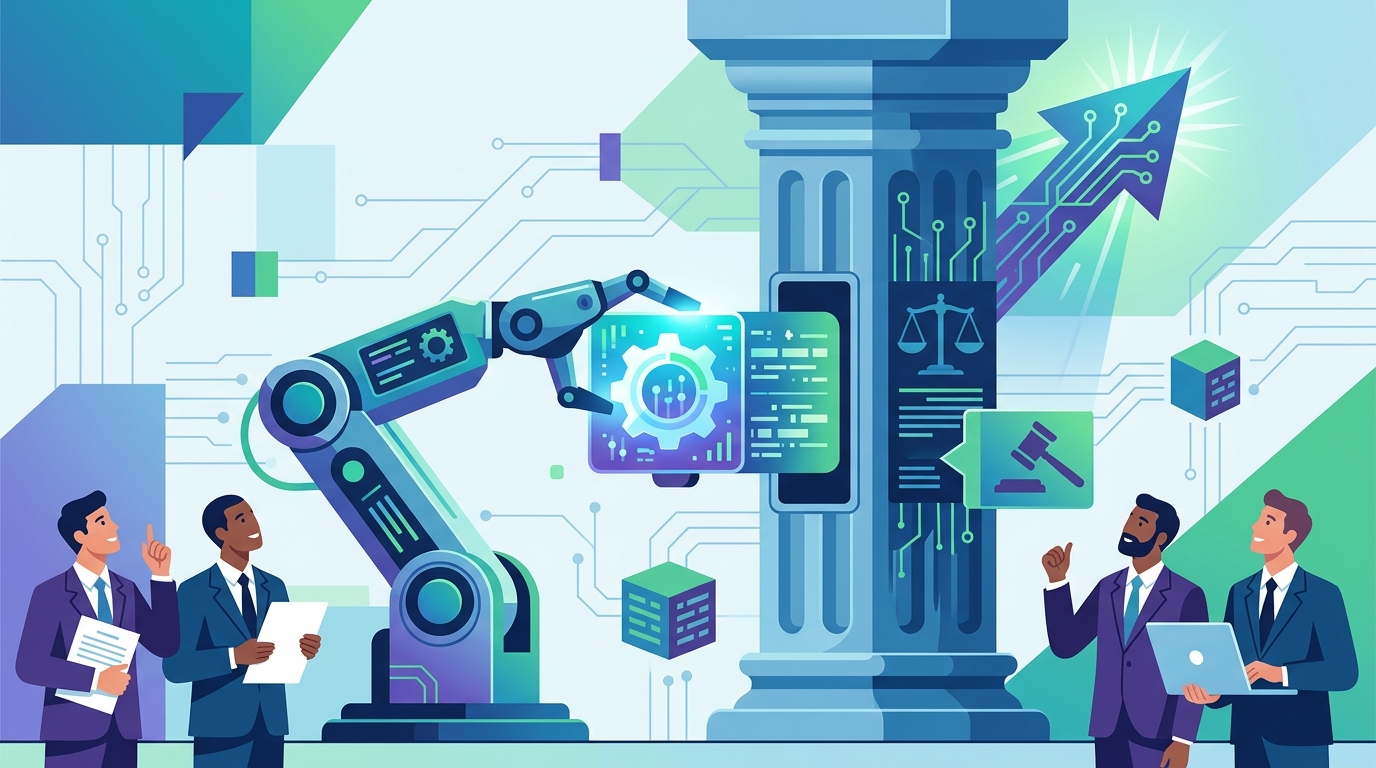
That matters because legal teams do a lot of repetitive work that AI can help with if the integrations are good enough. Anthropic is targeting document search, document review, case law lookup, deposition prep, drafting, and other clerical tasks that eat up hours inside firms.
- Document management via DocuSign
- File search through Box
- Legal research through Thomson Reuters and Westlaw
- Access for all paying Claude customers
Why the legal AI race is getting louder
This market is attracting serious money because law firms are under pressure to do more work with the same headcount. Anthropic’s spokesperson put it bluntly: “The legal sector is facing mounting pressure to adopt AI, and the firms and in-house teams that move are pulling ahead fast.”
“The legal sector is facing mounting pressure to adopt AI, and the firms and in-house teams that move are pulling ahead fast,” a spokesperson for Anthropic said.
That quote is doing a lot of work here. It tells you the company is selling speed, but it also hints at a deeper shift in how legal teams buy software. Instead of buying a single chatbot, firms now want tools that plug into their document stores, research systems, and workflow apps.
Anthropic is also signaling that legal work is one of the company’s bigger enterprise bets. The spokesperson said Claude is making a deeper push into knowledge work, with legal emerging as one of its most significant and fastest-growing industries.
How Anthropic compares with Harvey and Legora
The competition is already expensive. Harvey raised $200 million in March at an $11 billion valuation, while Legora raised a $600 million Series D last month and leaned into brand marketing with a campaign featuring Jude Law. Those are not small signals. They show a market where legal AI is moving from pilot projects to budget line items.

Anthropic is taking a different route from the startups that sell a full legal workflow suite. It is building around Claude and the systems firms already trust, which may be a smarter wedge if procurement teams want less disruption. The downside is obvious: if the integrations are clunky, the pitch falls apart fast.
- Harvey: $200 million raised in March, $11 billion valuation
- Legora: $600 million Series D in April, plus a major ad push
- Anthropic: legal plug-ins plus MCP connectors for paying Claude users
- Target tasks: search, review, drafting, deposition prep, and research
The real risk is accuracy, not ambition
Legal AI has a trust problem. Courts have already seen lawyers submit filings with fake citations, and at least one California attorney was fined after using ChatGPT to draft an appeal full of made-up quotes. Federal judges have also used AI in drafting rulings, which drew congressional scrutiny last year.
That history makes Anthropic’s move more interesting than a simple product launch. Law firms want speed, but they also need traceability, source control, and clear boundaries around what the model can do. If Claude can reduce busywork without introducing citation errors, it will have a real shot at becoming part of daily legal operations.
Anthropic’s own product design suggests it understands that need. By tying Claude into Box, DocuSign, and Thomson Reuters, the company is betting that legal buyers care less about flashy chat and more about working inside the tools they already use.
What to watch next
The next question is whether Anthropic can turn these connectors into repeat usage inside firms, not just trial accounts. If paying Claude customers start using the legal tools for document review and drafting at scale, the company will have a cleaner enterprise story than a lot of general-purpose AI vendors.
If adoption stalls, the market will probably keep rewarding the specialized startups with bigger feature sets and more aggressive sales. For now, though, Anthropic has made the legal AI race more crowded, and it has done it with a practical bet: meet lawyers where their files already live, then prove the model can save time without creating court headaches.
// Related Articles
- [IND]
Skatteetaten proves public sector AI should be judged by outcomes
- [IND]
OpenAI’s IPO filing puts AI’s biggest test on Wall Street
- [IND]
OpenAI’s latest moves now center on pricing, safety, and scale
- [IND]
RISC-V mini PCs are worth buying now, but only as a bet on the future
- [IND]
Fedora 44 RISC-V widens Linux board support
- [IND]
June 2026 agentic AI platform war centers on memory