Anthropic's IPO filing turns AI into a public bet
I break down Anthropic’s confidential S-1 filing and what it means for developers building on Claude.
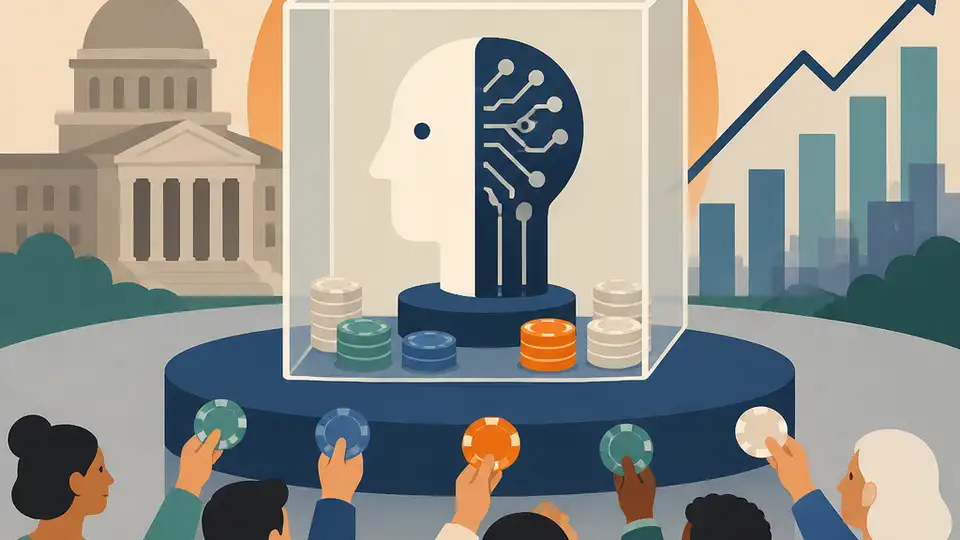
Anthropic’s IPO filing turns Claude into a public-market bet.
I’ve been building with Claude for a while now, and honestly, the product side has always felt one step ahead of the business side. The model is strong, the UX is clean, the API story is decent, but there’s always been this weird tension underneath it: Anthropic behaves like a research-heavy lab, while developers are treating it like infrastructure. Those two identities don’t sit comfortably together forever.
What kept bugging me was the lack of a clean answer to the obvious question: who is this company really for? If you’re shipping on top of Claude, you want stability. If you’re an investor, you want growth. If you’re Anthropic, you want both, and that usually means eventually stepping into the public markets and letting strangers inspect the whole machine.
The NPR report that kicked this off is here. The key detail is simple: Anthropic, the company behind Claude, has confidentially submitted a draft registration statement, a Form S-1, to the SEC for a proposed IPO. NPR doesn’t give us a ticker, a valuation, or a launch date, which is annoying but normal at this stage. The signal is the filing itself, not the fanfare.
Anthropic is no longer acting like a private lab
Get the latest AI news in your inbox
Weekly picks of model releases, tools, and deep dives — no spam, unsubscribe anytime.
No spam. Unsubscribe at any time.
“submitted a draft registration statement known as a Form S-1 with the Securities and Exchange Commission for its proposed IPO”
What this actually means is that Anthropic is starting the long, bureaucratic process of becoming a public company. A confidential S-1 is not the party. It’s the paperwork before the paperwork. But it’s also not nothing. It means lawyers, bankers, auditors, and internal finance teams are now shaping the company around public disclosure, which changes how everything gets packaged.
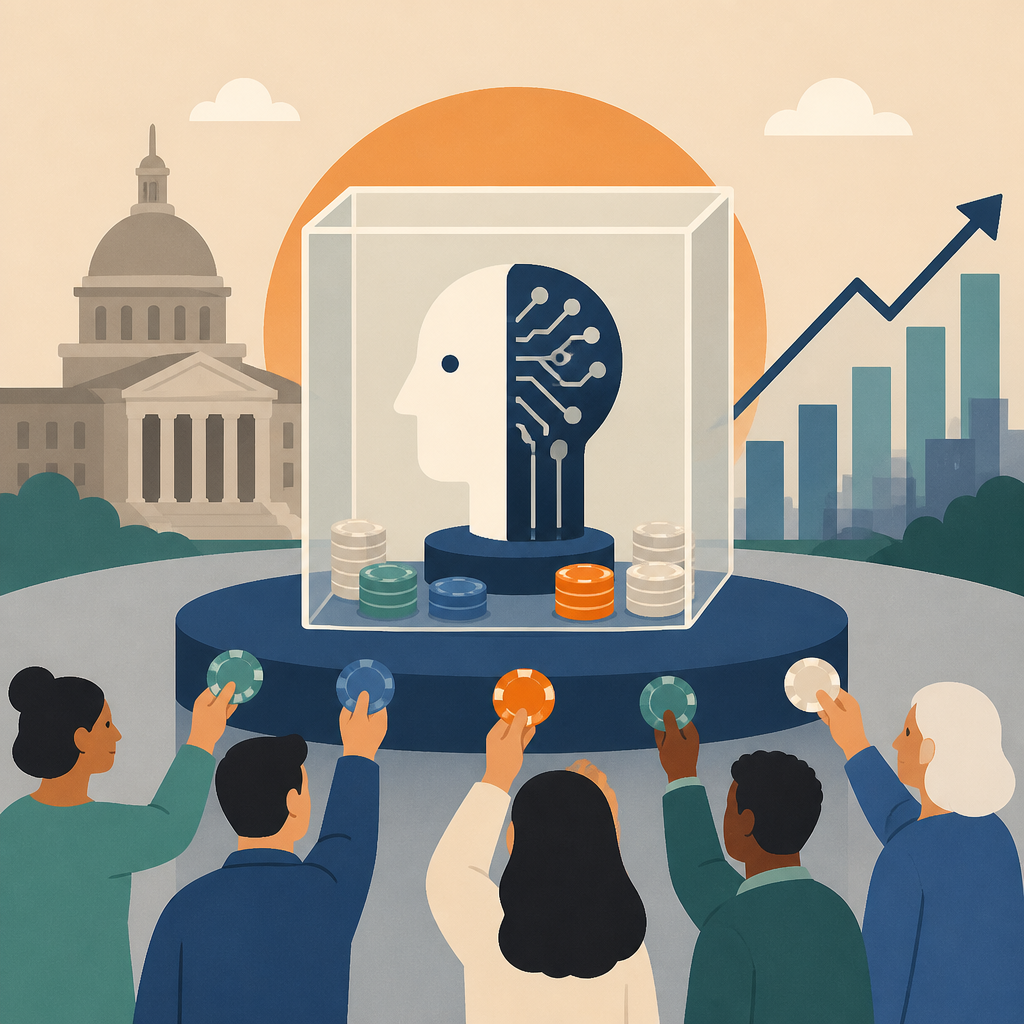
I’ve watched enough startups go through this transition to know the vibe shift is real. Once a company starts preparing for an IPO, product decisions don’t disappear, but they get filtered through a different lens. You stop asking only “does this help users?” and start asking “can we explain this to the market?” That second question gets ugly fast.
For developers, this matters because the companies we build on tend to get more conservative when they’re heading toward an IPO. Not always, but often. Pricing gets scrutinized. Roadmaps get cleaned up. Experimental features get labeled more carefully. Support expectations rise. The public markets hate ambiguity, and AI companies are basically ambiguity factories.
How to apply it: if you’re building on Claude today, assume Anthropic is entering a period where predictability matters more. Keep your abstractions thin. Avoid hard-coding assumptions about pricing or model availability. If your product depends on a single model behavior, now is a good time to add a fallback path.
Confidential filing is a signal, not a promise
The phrase “confidentially submitted” does a lot of work here. It means the company can start the SEC review process without immediately publishing every detail. That’s useful because it lets Anthropic test the waters before the whole market starts poking at its numbers.
What this actually means is that we’re in the pre-public phase, not the public phase. There’s still room for things to change. The company can pull the filing, delay the offering, revise the terms, or decide the timing is bad. I’ve seen teams treat an S-1 like a done deal when it’s really just the beginning of a very expensive conversation.
This is where developers need to resist the hype reflex. An IPO filing does not magically tell you the company’s health, nor does it tell you whether Claude will get better next quarter. It does tell you Anthropic is preparing for a different kind of accountability. That’s the useful part.
- Public-company pressure usually pushes for clearer metrics.
- Clearer metrics usually mean more pressure on growth and margins.
- That pressure can affect product priorities even if the API contract stays the same.
I ran into this exact pattern years ago with another vendor that went from scrappy to finance-first. The docs stayed polished, but the roadmap got narrower. The weird edge cases stopped getting love. The company wasn’t broken; it was just optimizing for a new audience. Anthropic is likely stepping into that same negotiation now.
How to apply it: if you’re a team lead, write down the parts of your stack that are most exposed to vendor policy changes. Rate limits, model naming, tool-use behavior, and safety filters are the usual suspects. If those are brittle, clean them up before the company you depend on gets even more process-heavy.
Claude builders should care about governance, not just models
For people shipping with Claude, IPO news can sound like investor gossip. I don’t think it is. Once a model provider is on the path to going public, governance becomes part of the product story. That means disclosure, risk management, board oversight, and a lot more attention to what the company says it can and cannot do.
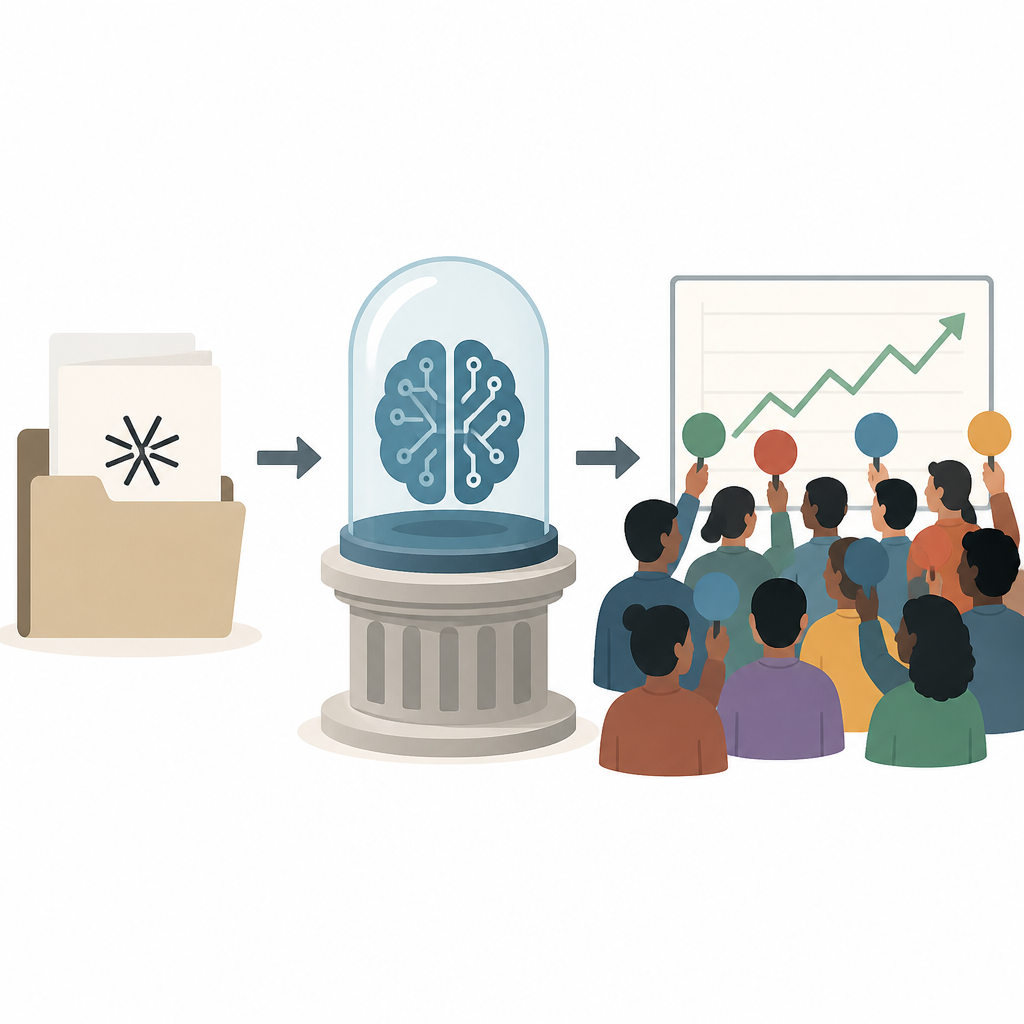
What this actually means is that the API you call every day is no longer just a technical dependency. It’s a corporate dependency. And corporate dependencies come with policies, compliance obligations, and occasionally awkward changes that show up in your logs before they show up in your inbox.
If you want a concrete example, look at how public cloud vendors behave. They can still move fast, but they also have to explain outages, security incidents, and strategic shifts in ways private companies often avoid. Anthropic is not a cloud provider, but once it starts acting like a public company, the same style of discipline creeps in.
I’m not saying that’s bad. I’m saying it changes the contract. Developers usually like instability only when it’s called “innovation.” Finance people call it “risk.” IPO preparation forces the company to speak finance more fluently, and that often means less improvisation in product messaging.
- Expect more formal communication around model changes.
- Expect more attention to enterprise buyers and procurement teams.
- Expect the company to defend its safety posture more publicly.
How to apply it: if you’re building a product on top of Claude, document the exact model versions, prompts, and tool patterns you rely on. Treat that like infrastructure inventory. When providers mature, undocumented dependencies become the first thing that hurts.
The real story is capital, not headlines
People love to talk about IPOs like they’re status badges. I think that’s lazy. The real story is capital. Anthropic has been operating in one of the most expensive categories in tech: frontier AI. Training, inference, talent, safety work, and cloud bills all burn money at a pace most software companies never touch.
What this actually means is that going public can be a financing strategy as much as a branding move. The company may want access to a broader pool of capital, more liquidity, and a market structure that lets it keep funding massive compute needs. That’s not glamorous, but it’s the engine underneath the whole thing.
For builders, this matters because capital strategy shapes product strategy. If Anthropic needs to tell a cleaner growth story, it may prioritize the lines of business that look easiest to explain: enterprise contracts, usage growth, and sticky developer adoption. That doesn’t automatically make the product worse. It just means the incentives get sharper.
I’ve seen this happen enough times to be wary of the “more money equals more freedom” myth. Sometimes more money just means more reporting. More reporting means more caution. More caution means fewer weird bets. And weird bets are often where the best developer tools come from.
How to apply it: don’t anchor your roadmap to one vendor’s appetite for experimentation. If Claude is central to your product, keep a second model path warm, even if you never need to use it. Optionality is boring until it saves your quarter.
What developers should watch next
The next interesting thing is not whether Anthropic filed. It’s what happens in the S-1 once it becomes public. That document will tell us far more than the headline ever could: revenue concentration, customer mix, risk factors, legal exposure, and the company’s own version of its story.
What this actually means is that the IPO process will eventually force Anthropic to describe itself in a way developers can inspect. I always trust the filing more than the press release, because the filing is where companies accidentally admit what matters.
There are a few things I’d watch closely once the paperwork surfaces:
- How much Anthropic depends on a small set of major customers or partners.
- How much of the business is API usage versus enterprise deals.
- What risks the company says could hurt model quality, safety, or availability.
- Whether the company frames Claude as a platform, a product, or both.
That last one matters more than it sounds. Platform language invites ecosystems. Product language invites control. Public companies often want both, and that tension gets messy fast. If you’re a developer, you should care because the language a company uses in its filing usually leaks into the product decisions you feel later.
How to apply it: when the S-1 goes public, don’t just skim the top-line numbers. Read the risk factors and the business description. That’s where you’ll learn whether the company sees developers as the core customer or just one channel in a larger sales machine.
The template you can copy
# Vendor transition checklist for an AI provider heading toward IPO

Use this when a model provider starts acting more like a public company.

## 1. Inventory the dependency
- Provider name:
- Model names used:
- API endpoints used:
- Tool-use / function-calling patterns used:
- Prompt templates that depend on provider-specific behavior:

## 2. Record the current contract
- Pricing model:
- Rate limits:
- SLA / support terms:
- Data retention terms:
- Safety / policy constraints:

## 3. Identify brittle assumptions
- Assumption 1:
- Assumption 2:
- Assumption 3:
- Assumption 4:

## 4. Build a fallback path
- Secondary provider:
- Abstraction layer:
- Feature flag:
- Test coverage for provider swap:

## 5. Watch public-company signals
- New pricing or packaging changes
- Formalized product announcements
- Policy changes around safety or usage
- Enterprise-first roadmap shifts
- Documentation changes that affect integrations

## 6. Review monthly
- What changed in the API?
- What changed in pricing?
- What changed in behavior?
- What broke in production?
- What should we decouple next?
I wrote this as a practical checklist, not a theory exercise. If a company you depend on starts moving toward an IPO, your job is to reduce surprise. This template does that without pretending you can predict the future.
The original reporting came from NPR’s article on Anthropic’s confidential IPO filing: https://www.npr.org/2026/06/01/nx-s1-5843199/anthropic-ipo-filing-ai-large. My breakdown is my own interpretation for developers, based on that report and the standard mechanics of an S-1 filing.
// Related Articles
- [IND]
OpenAI’s IPO filing turns hype into scrutiny
- [IND]
Skatteetaten proves public sector AI should be judged by outcomes
- [IND]
OpenAI’s IPO filing puts AI’s biggest test on Wall Street
- [IND]
OpenAI’s latest moves now center on pricing, safety, and scale
- [IND]
RISC-V mini PCs are worth buying now, but only as a bet on the future
- [IND]
Fedora 44 RISC-V widens Linux board support