Apple Blocks Vibe Coding Apps on the App Store
Apple is rejecting vibe coding apps over code-downloading rules, and startups like Replit and Anything are pushing back.
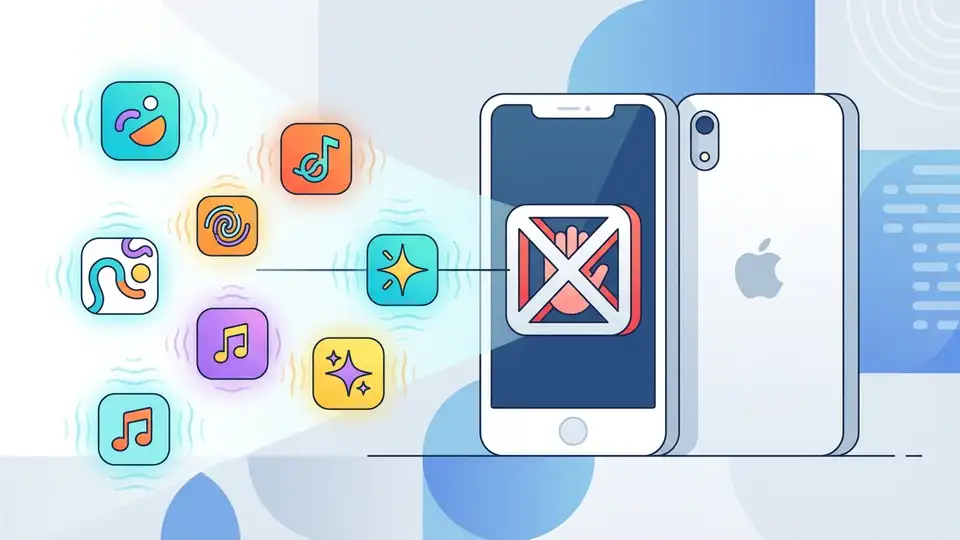
Apple is blocking vibe coding apps that download or run generated code on iPhones.
Apple’s fight with AI coding startups is getting messy fast. The company is rejecting or removing apps that let users preview AI-generated software, and the rule at the center of the dispute is App Store Guideline 2.5.2.
That guideline bans apps from downloading, installing, or executing code that changes how the app works. For ordinary software, that is a guardrail. For vibe coding tools, it hits the main product feature.
Apple’s stance matters because coding tools are one of the clearest ways to turn AI into revenue. They are also one of the most visible ways to show off what these models can do, which makes the App Store fight bigger than a single approval dispute.
| Item | Detail |
|---|---|
| Guideline | App Store Guideline 2.5.2 |
| Anything approval cycle | Approved, removed twice, then restored in early April before being removed again within a day |
| Source report date | May 5, 2026 |
Why Apple says these apps break the rules
Get the latest AI news in your inbox
Weekly picks of model releases, tools, and deep dives — no spam, unsubscribe anytime.
No spam. Unsubscribe at any time.
The core issue is simple: vibe coding apps often generate code, let users preview it, and then execute that preview. Apple sees that as downloading code, which its policy prohibits. The company says the rule exists to stop unvetted software from running on user devices.
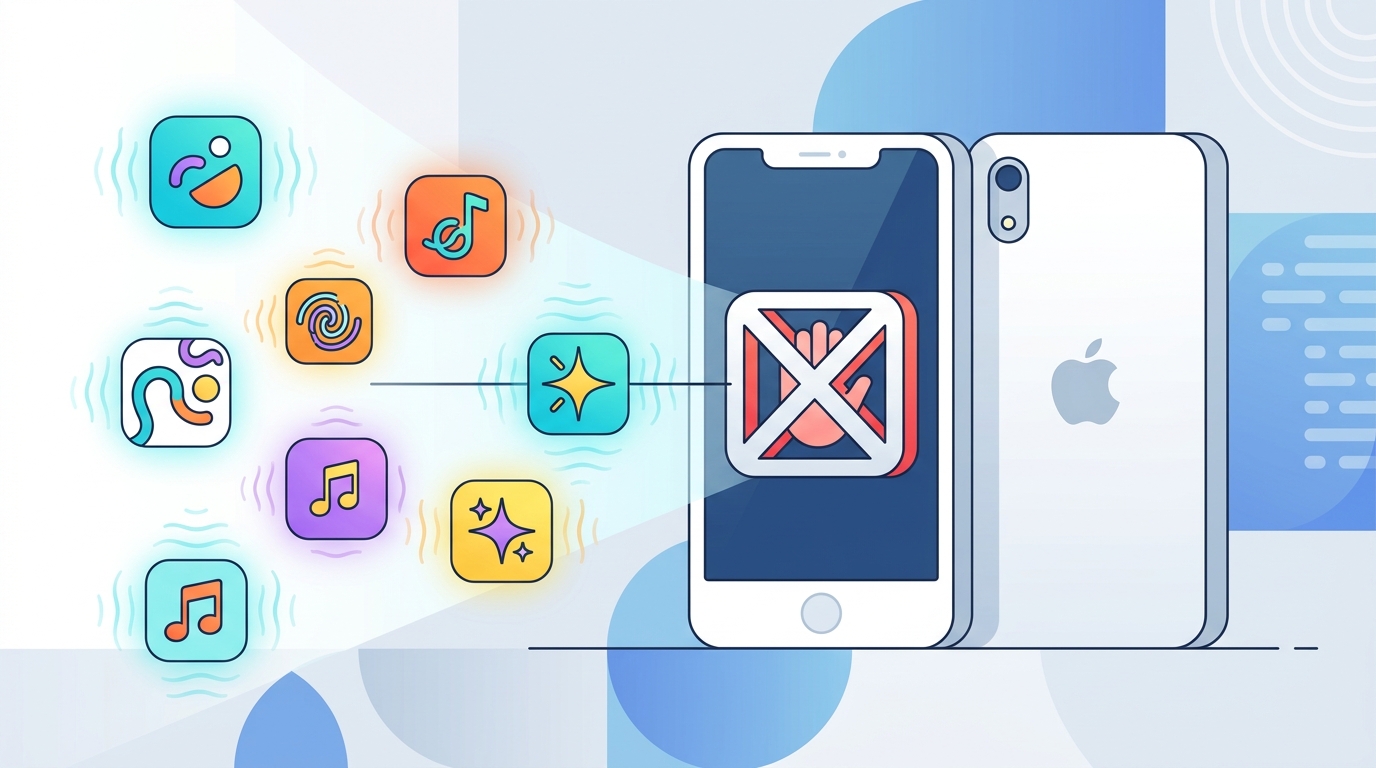
That argument makes more sense when you remember what these apps are trying to do. They are not simple text tools. They can generate app logic, UI behavior, and interactive previews on the fly. That is exactly the kind of dynamic behavior Apple has tried to keep under tight control on iPhone.
For Apple, this is partly about security and partly about consistency. If one class of apps can ship code that changes behavior after review, the App Store review model starts to get fuzzy.
- Apple’s rule targets apps that download or execute code.
- Vibe coding tools often depend on generated previews.
- Apple has already approved and then removed some of these apps.
Replit and Anything are getting the hardest pushback
Two startups have become the clearest examples of the conflict: Replit and Anything. Replit says Apple blocked updates to its app even though it has been on the platform for years. Anything says Apple blocked its app repeatedly, removed it twice after approval, and later rejected it again after a preview feature was taken out.
Anything founder Dhruv Amin told the Financial Times that the company was “in the dark.” He added, “Either they should stop enforcing the rules in this weird way, or they should update the guideline to let this use case emerge.”
“Either they should stop enforcing the rules in this weird way, or they should update the guideline to let this use case emerge.” — Dhruv Amin, founder of Anything
That quote captures the frustration well. The complaint is not just that Apple said no. It is that the answer kept changing depending on the feature set, the review cycle, and the moment in time.
Anything’s case is especially telling because Apple reportedly approved the app, then removed it within a day in early April, citing the prohibition on downloading code. When the company removed the preview feature, Apple still rejected it for offering “minimum functionality.”
- Replit said it was “surprised and disappointed” by Apple’s rejection of updates.
- Anything says it was approved, removed, rejected, and restored in a short span.
- Apple did not respond to the FT’s question about the reversal.
Why this matters for the AI coding business
This dispute is bigger than App Store bureaucracy. Vibe coding is one of the hottest use cases in AI because it connects directly to software creation, which is where the money is. If Apple blocks the most useful mobile version of these tools, it slows down one of the easiest paths for mainstream adoption.
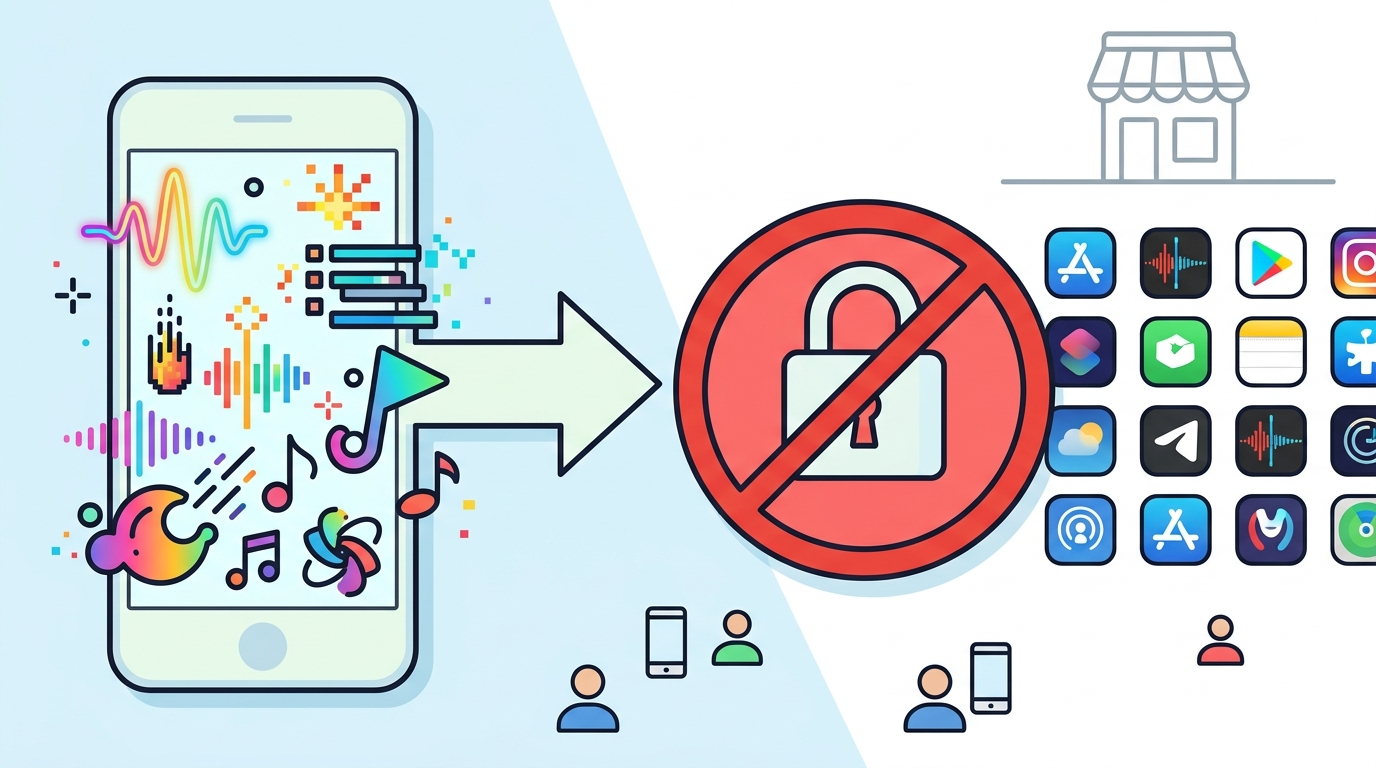
There is also a real product-design problem here. A vibe coding app that cannot preview generated code on-device loses part of its appeal. A tool that can only describe code, not run it, feels much less useful to a person trying to build something quickly.
At the same time, Apple’s caution is not hard to understand. AI systems can generate large amounts of code quickly, and that code can be buggy, insecure, or deliberately malicious. If Apple loosens the rule too much, it risks turning the App Store into a place where review catches less and users absorb more of the risk.
This is why the standoff feels so uneven. The startups want a new category for AI-generated software. Apple wants to keep the old rules intact until it can be sure those apps do not create a security hole.
The App Store fight may decide how mobile AI coding works
There is a broader market signal here too. The Cursor team has not even launched an iPhone app yet, which tells you how awkward this category still is on mobile. If Apple keeps its current policy, many of these products may stay desktop-first for a while longer.
That creates a practical split in the market. Desktop tools can generate and run code with fewer restrictions. iPhone apps have to fit Apple’s review rules, which means the most ambitious features are the first ones to get challenged.
Here is the comparison that matters:
- Desktop AI coding tools can usually ship faster and with fewer restrictions.
- iPhone apps face App Store review and code-execution limits.
- Apple’s policy gives security a higher priority than feature flexibility.
- Startups that depend on live previews are the most exposed.
My read: Apple is unlikely to change its rules just because startups are annoyed. The more likely path is a narrow exception, a revised guideline, or a product redesign that keeps previews off-device. The real question is whether vibe coding companies can make their mobile apps useful enough without the one feature they most want to ship.
If Apple does not budge, expect the best AI coding experiences on iPhone to look more like editors and orchestrators than full code runners. That would keep the App Store safe, but it would also define the limits of mobile vibe coding for the next wave of AI builders.
// Related Articles
- [IND]
Skatteetaten proves public sector AI should be judged by outcomes
- [IND]
OpenAI’s IPO filing puts AI’s biggest test on Wall Street
- [IND]
OpenAI’s latest moves now center on pricing, safety, and scale
- [IND]
RISC-V mini PCs are worth buying now, but only as a bet on the future
- [IND]
Fedora 44 RISC-V widens Linux board support
- [IND]
June 2026 agentic AI platform war centers on memory