AWS Adds Native Vector Support Across Databases
AWS now supports vectors across Aurora PostgreSQL, MemoryDB, Bedrock Knowledge Bases, and Neptune for RAG and GraphRAG apps.
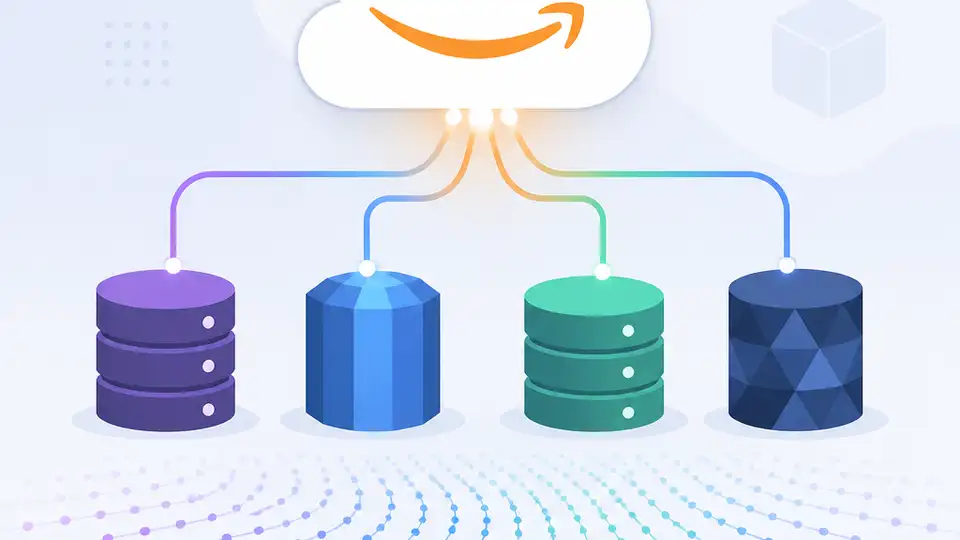
AWS now supports vectors across several databases for RAG and GraphRAG applications.
AWS is pushing vector search deeper into its database stack, with native support across multiple services and a clear recommendation for relational workloads: Amazon Aurora PostgreSQL. For non-relational workloads, AWS points developers to Amazon MemoryDB, which it says delivers the fastest vector search performance at the highest recall among popular vector databases on AWS.
The message is simple: if your app already lives in an AWS database, you may not need a separate vector store. That matters because vector search is now a basic building block for retrieval-augmented generation, semantic search, and agent workflows.
| Area | AWS service | What AWS says it does |
|---|---|---|
| Relational vectors | Amazon Aurora PostgreSQL | Recommended for relational use cases |
| Non-relational vectors | Amazon MemoryDB | Fastest vector search performance at highest recall among popular vector databases on AWS |
| RAG orchestration | Amazon Bedrock Knowledge Bases | Managed ingestion and runtime orchestration for RAG |
| GraphRAG | Amazon Neptune | Graph generation and traversal for explainable retrieval |
Why AWS is baking vectors into databases
Get the latest AI news in your inbox
Weekly picks of model releases, tools, and deep dives — no spam, unsubscribe anytime.
No spam. Unsubscribe at any time.
Vectors are numerical representations of data, but the practical idea is easier to grasp: they let software measure meaning. When two vectors sit close together, their underlying content is likely related. That is what makes them useful for semantic search and for applications that need to find relevant context instead of exact keyword matches.
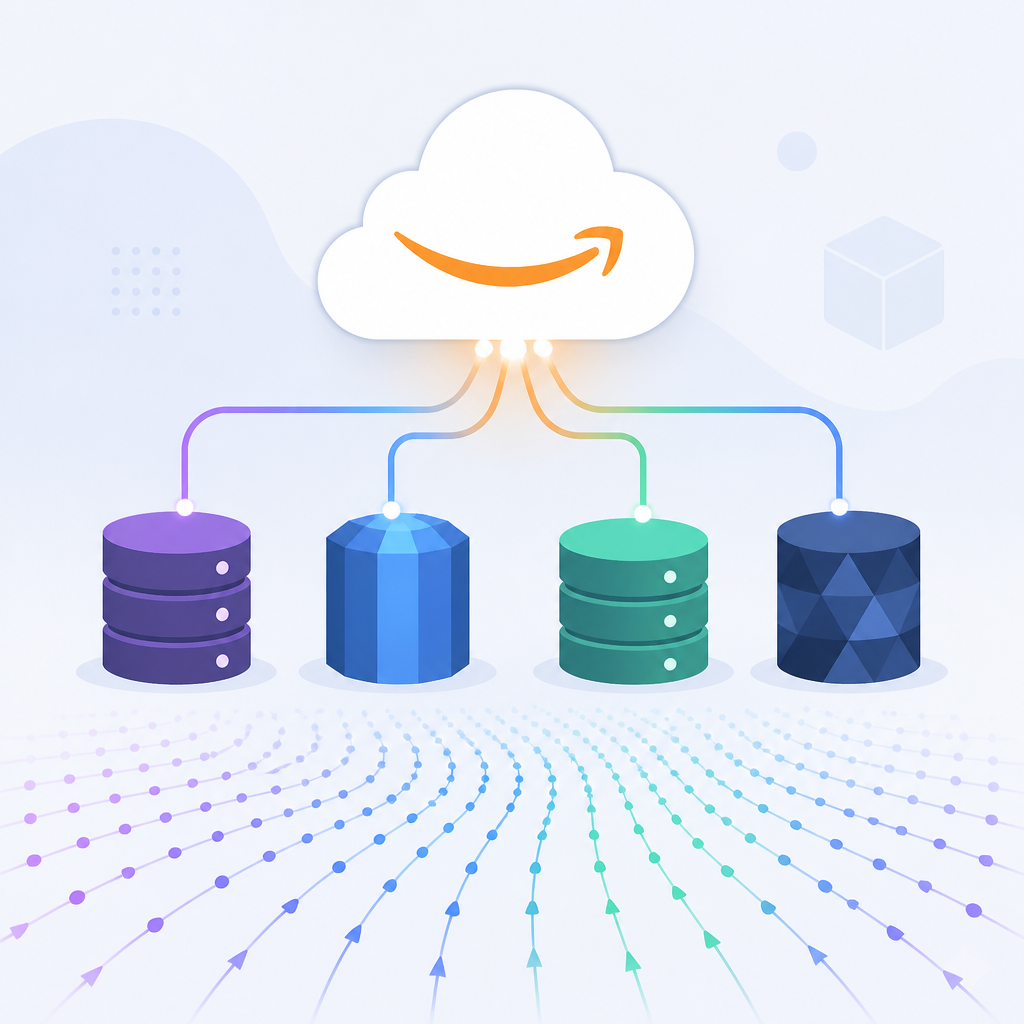
AWS is framing vectors as a data type that belongs inside the database you already use. That is a notable product choice. Instead of pushing every team toward a dedicated vector database, AWS is saying many apps can keep their operational data, metadata, and embeddings together in one place.
That approach reduces architectural sprawl. It also matches the way many production systems actually work: one database for transactions, another for search, another for analytics, and now a separate store for embeddings. If Aurora PostgreSQL or MemoryDB can cover the vector part, the stack gets simpler.
- Vectors can store semantic meaning, which helps systems retrieve related content.
- Keeping vectors with application data can improve context-aware search results.
- AWS says its native support spans a broad set of databases, not a single product.
What AWS recommends for different workloads
Amazon Aurora PostgreSQL is AWS’s default answer for relational systems. That lines up with PostgreSQL’s long history as the database of choice for teams that want SQL, extensions, and operational maturity in one package. Aurora’s vector support matters most for applications that already depend on relational joins, transactions, or structured metadata.
For non-relational systems, AWS recommends Amazon MemoryDB. The company says it delivers the fastest vector search performance at the highest recall among popular vector databases on AWS. AWS did not publish benchmark numbers on this page, so the claim is directional rather than apples-to-apples.
“AWS has incorporated native support for vectors across a broad set of our databases.”
That line from AWS gets to the core of the strategy. The company is not treating vector search as a side feature. It is presenting it as part of the standard database menu, which is exactly where most teams want it when they are building production AI systems.
For developers, the practical question is less about theory and more about fit. If your app already uses Aurora, adding vector search there may be the fastest path. If your workload is in-memory or key-value heavy, MemoryDB may make more sense. The database choice should follow the access pattern, not the hype cycle.
RAG is the main use case AWS is selling
AWS spends a lot of time on retrieval-augmented generation, and for good reason. RAG is one of the few AI patterns that has already moved from demos into production. It improves response quality by pulling private data into the prompt flow before the model answers.
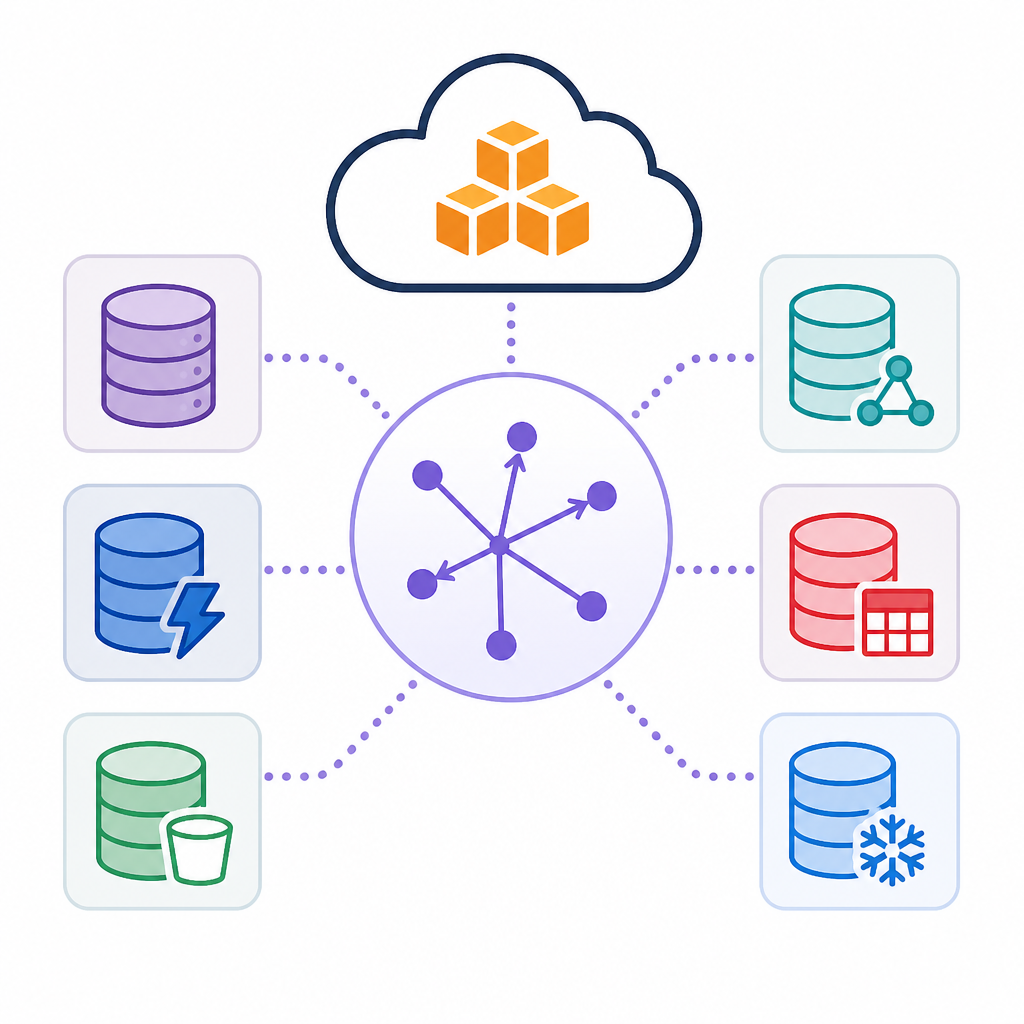
The company highlights Amazon Bedrock Knowledge Bases as a fully managed RAG layer that handles ingestion and runtime orchestration. It also says Aurora has 1-click integration with Knowledge Bases, which makes internal data connections easier to set up and maintain.
That integration matters because RAG projects often fail on plumbing, not model quality. Teams spend time on chunking, indexing, refresh logic, permissioning, and retrieval tuning. A managed path lowers the amount of glue code developers have to write.
- Bedrock Knowledge Bases handles data ingestion and runtime orchestration.
- Aurora offers 1-click integration with Knowledge Bases.
- The goal is to connect foundation models to internal data sources with less setup work.
GraphRAG adds structure to unstructured data
AWS also pushes GraphRAG, which uses a knowledge graph during retrieval to improve explainability and coverage. In the AWS flow, Bedrock Knowledge Bases can automatically generate graphs using Amazon Neptune, then traverse those graphs when answering a query.
That is a meaningful shift from plain vector retrieval. Vectors are good at semantic similarity, but they do not naturally encode relationships like ownership, hierarchy, or dependency. Graphs do. Put together, they can answer questions that need both fuzzy matching and explicit structure.
AWS says this workflow also works with Amazon S3, which means unstructured files can feed the graph and retrieval pipeline too. For teams sitting on document archives, support tickets, or product catalogs, that is where GraphRAG becomes more than a buzzword.
If you want a concrete comparison, here is the tradeoff in plain English:
- Vector search is better for meaning and similarity.
- Graph retrieval is better for relationships and traceability.
- GraphRAG combines both for responses that are easier to explain.
- Plain keyword search still wins when the user knows the exact term.
What this means for builders right now
For developers, AWS is signaling that vector search should feel like a database feature, not a separate product category. That lowers friction for teams already invested in AWS infrastructure and gives them a path to build RAG systems without adding another vendor unless they truly need one.
The bigger takeaway is architectural. If you are starting a new AI app, the first decision is no longer “Which vector database should I buy?” It is “Which existing database already fits my data model, latency target, and operational constraints?” In many cases, AWS wants that answer to be Aurora PostgreSQL or MemoryDB.
The interesting test will be whether teams actually consolidate around these native features or keep using specialized vector stores for tighter control and tuning. My bet: smaller and mid-sized production apps will move fastest toward native database vectors, while larger teams with demanding retrieval pipelines will keep mixing database-native search with dedicated infrastructure.
For now, AWS has made its position clear. Vectors belong inside the database layer, RAG belongs in managed tooling, and GraphRAG is the next step when plain semantic search stops being enough.
// Related Articles
- [TOOLS]
Magenta RealTime 2 lets you score in the DAW
- [TOOLS]
Open-source AI tools beat Claude’s paid tiers on value
- [TOOLS]
500 AI agent projects show where agents work now
- [TOOLS]
Chocolatey’s Go package turns installs into policy
- [TOOLS]
Go support policy turns releases into a checklist
- [TOOLS]
RustDesk self-hosting setup for secure remote access