CertiK Opens Its AI Auditor to Developers
CertiK opened its AI Auditor to developers worldwide, claiming an 88.6% hit rate in tests against 35 Web3 incidents.

CertiK has moved its AI Auditor out of the lab and into public use, and the headline number is hard to ignore: an 88.6% exact hit rate in backtests against 35 major Web3 security incidents this year. That is a serious claim in a sector where one missed bug can drain a protocol in minutes.
The company is pitching the tool as more than a scanner. It wants the auditor to sit inside the development workflow, flag the issues that matter, and cut down the flood of false positives that slows teams down. For builders in DeFi, wallets, and institutional crypto infrastructure, that is the kind of tooling that can change how security reviews happen day to day.
What CertiK actually launched
Get the latest AI news in your inbox
Weekly picks of model releases, tools, and deep dives — no spam, unsubscribe anytime.
No spam. Unsubscribe at any time.
CertiK says its proprietary AI auditor is now available to global developers as a public-facing product, after being used internally. The company also says it added open-source integrations for AI coding agents, which matters because security tools that live outside the editor tend to get ignored.
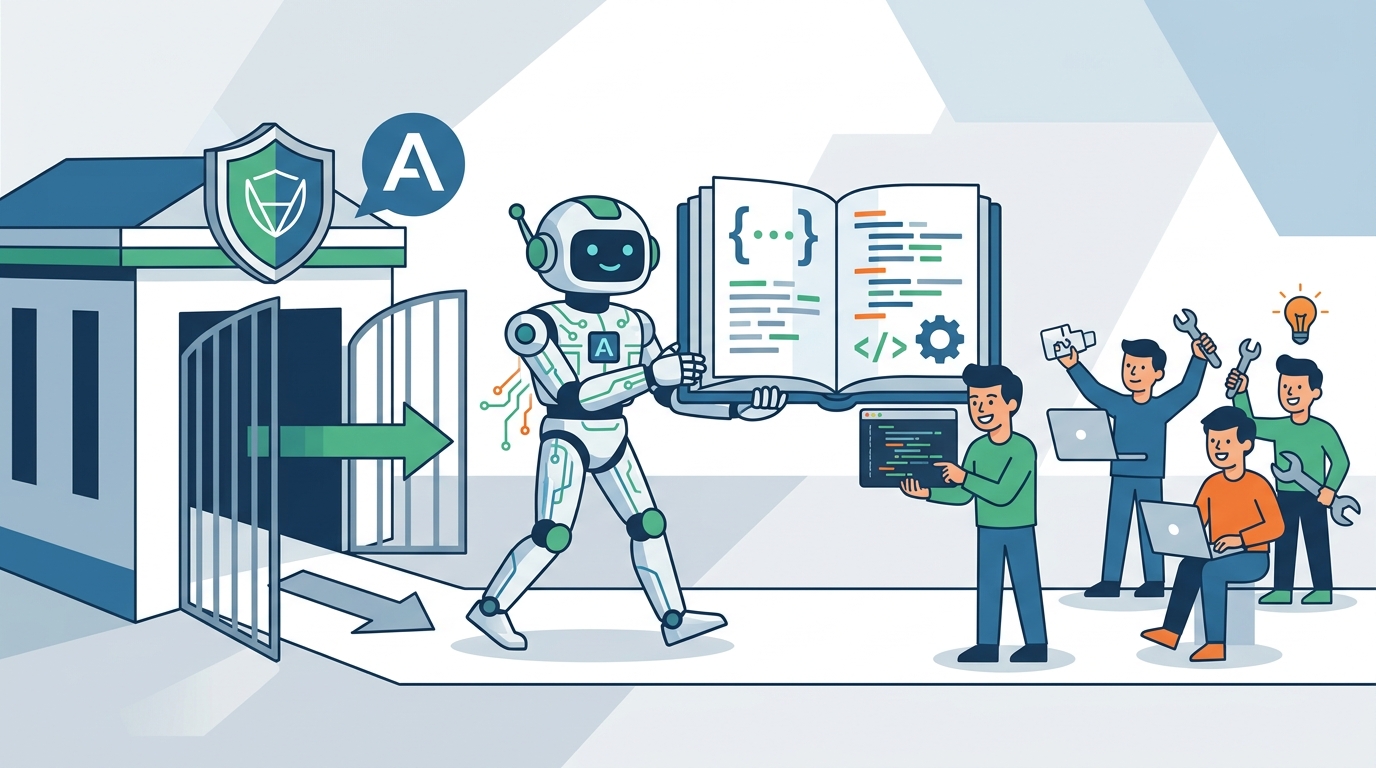
The pitch is simple: catch vulnerabilities earlier, reduce noise, and make security part of the normal build process instead of a last-minute audit gate. In practice, that means the system is designed to triage code, identify likely attack paths, and hand human reviewers a shorter, more relevant list of problems.
CertiK is not claiming the tool replaces auditors. It is trying to make them faster. That distinction matters, especially in Web3, where automated analysis often drowns teams in warnings that look scary but never turn into real exploit paths.
- Backtest claim: 88.6% exact hit rate
- Test set: 35 major Web3 security incidents
- Deployment change: internal tool to public access
- Workflow target: developer-side, pre-audit triage
Why the architecture matters
The most interesting part of CertiK’s announcement is the structure behind the tool. It does not rely on a single model or one pass over the codebase. Instead, it uses a Multiscanner Framework that runs specialized scanners in parallel, then deduplicates the results and checks whether the alerts are semantically valid and actually exploitable.
That design is a direct response to a familiar pain point in security automation: too many alerts, not enough signal. If a system can cut the junk while keeping the real findings, developers are more likely to use it before code ships.
“The question is no longer simply whether AI can find vulnerabilities, but whether it can genuinely help development teams surface the security issues worth addressing, earlier,” said Ronghui Gu, co-founder of CertiK.
CertiK also says the auditor draws from a Dynamic Knowledge Base that updates with real-world exploits and emerging attack patterns. That gives it a shot at staying relevant as attackers change tactics, instead of freezing security knowledge at the moment training ended.
That live-feed approach is important in crypto because the threat profile changes fast. A pattern that looked niche six months ago can become the default attack path after one high-profile exploit. Static models often miss that shift.
How it compares with other AI security tools
CertiK’s move lands in a crowded but still immature market for AI-assisted security. A useful comparison is Chainalysis, which recently introduced blockchain intelligence agents for investigation and compliance work. The overlap is obvious: both companies want automation to handle repetitive analysis so humans can focus on judgment calls.

There is also a broader tooling trend around AI coding assistants and security plugins. The difference here is that CertiK is trying to own the audit layer itself, not just bolt on a scanner. That makes the product more ambitious, but it also raises the bar for accuracy. In security, a tool that is 90% useful can still be painful if the 10% error rate creates trust issues.
For context, Web3 audits are expensive and slow because they require both static analysis and human review. CertiK’s claim is that its AI Auditor can reduce the front-loaded work before a human ever opens the file. If that works, teams could shorten review cycles and catch obvious mistakes earlier in the sprint.
- CertiK Skynet focuses on monitoring, while the AI Auditor targets code review and triage
- Chainalysis products center on intelligence and compliance, not source-code auditing
- Claude Code and similar coding agents can write code, but they do not automatically solve audit quality
- OpenZeppelin remains a major name in smart contract security, with a stronger human-review heritage
What this means for DeFi teams and institutions
CertiK says the modular design can be adapted for fast-moving DeFi projects and high-compliance institutional environments. That is a sensible split. DeFi teams care about speed and iteration, while institutions care about documentation, repeatability, and audit trails.
For DeFi builders, the biggest win would be reducing alert fatigue before a code review even starts. For institutions, the win would be a more standardized first pass that can be audited itself. Both groups want the same outcome: fewer surprises after deployment.
The bigger question is whether teams will trust a public AI auditor enough to let it influence release decisions. In security, trust is earned through boring consistency, not flashy demos. CertiK’s 88.6% backtest number is a strong opening, but the real test will be how the tool performs on messy, live codebases with custom logic and half-finished features.
If CertiK can keep the signal high as the tool scales, it may change how teams think about pre-audit work. If it cannot, developers will treat it like another scanner that looks impressive in a slide deck and gets ignored in production.
Where this goes next
CertiK’s public release is a clear bet that security will move closer to the editor and farther from the end-of-cycle audit. That is the right direction for a market where exploits are measured in minutes, not weeks.
The number to watch now is not the launch announcement. It is whether teams see fewer false positives, faster triage, and fewer post-deploy surprises after they adopt the tool. If those metrics improve, the next question is whether other security firms follow with their own AI auditors, or whether CertiK gets a head start that is hard to catch.
For developers building in Web3 today, the practical takeaway is simple: try the tool on real code, compare its findings with a human review, and measure how much time it saves before you trust it with release-critical decisions.
// Related Articles
- [CHAIN]
7 Solana APIs that cut weeks off integration
- [CHAIN]
Solana Unchained token sale nears Phase 1 close at $0.05
- [CHAIN]
June 2026 Web3 Signals Founders Should Use Now
- [CHAIN]
Bitcoin DeFi will grow, but not by copying Ethereum
- [CHAIN]
AI-blockchain projects need real utility, not token theater
- [CHAIN]
DMG’s 50 MW AI LOI is a better use of miners’ power assets