Gemini Spark for Enterprise: Security and Compliance
Google Cloud’s Gemini Spark for Enterprise points to agentic AI with identity, logging, and governance controls for regulated deployments.

Gemini Spark for Enterprise points to agentic AI with identity, logging, and governance controls.
Google Cloud’s Gemini Spark for Enterprise is framed as an early capability direction, not a fully documented product, in a May 19, 2026 analysis from Blockchain Council. The piece argues that enterprise buyers should judge the system by security, data governance, and compliance because these agents can retrieve sensitive data and take identity-bound actions.
| 項目 | 數值 |
|---|---|
| Article date | May 19, 2026 |
| McKinsey AI adoption | 72% |
| McKinsey generative AI use | 65% |
| EU AI Act status | Entered into force in 2024 |
What changed
Get the latest AI news in your inbox
Weekly picks of model releases, tools, and deep dives — no spam, unsubscribe anytime.
No spam. Unsubscribe at any time.
The article says the enterprise shift is from chatbots to long-running agents that can use tools, keep workflow context, and act on behalf of users. It points to Google Cloud’s Gemini Enterprise direction, including components such as Agent Studio, Agent Runtime, Agent Gateway, and Agent Identity.
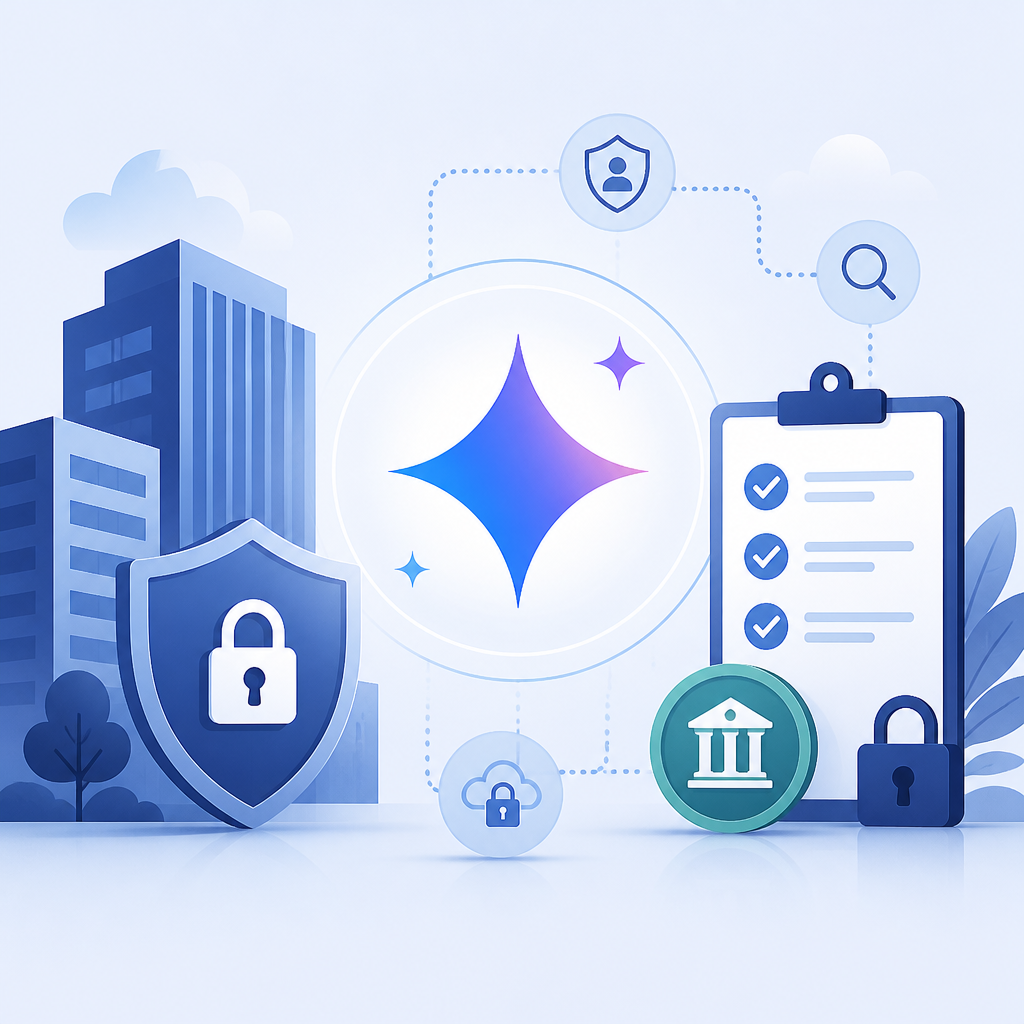
That setup raises the bar for deployment controls. The source lays out four control areas for enterprise teams: identity and access management, runtime isolation, human approval for high-impact actions, and defenses against prompt injection and indirect prompt injection.
- Least privilege for every connector, app, and tool
- Separate user identity from agent execution identity
- Allowlisted egress and sandboxed browser use
- Step-up approval for email, payments, and admin changes
- Policy checks before tool calls and outbound actions
On data governance, the article says teams should classify data into public, internal, confidential, and restricted tiers before connecting sources. It also warns enterprises to validate where prompts, logs, embeddings, and artifacts are stored, how long they are retained, and whether customer data is used for model training.
Why it matters
For developers, the message is that agentic AI changes the threat model. An agent that can read mail, browse the web, and call internal systems can amplify credential abuse, social engineering, and tool misuse if permissions and audit trails are weak.
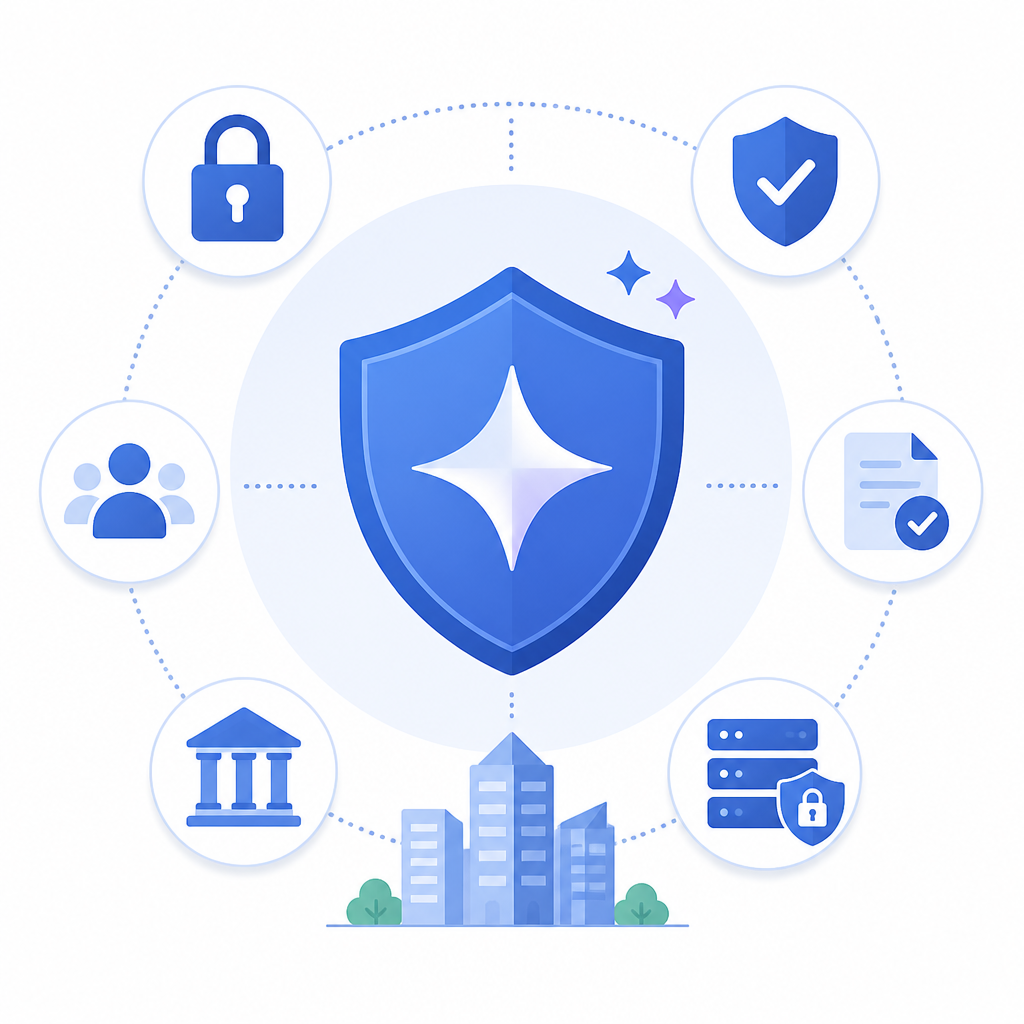
For the market, the piece suggests governance is now a buying criterion, not a post-launch cleanup task. It ties deployment readiness to GDPR, the EU AI Act, and sector rules such as HIPAA, GLBA, SOX, PCI DSS, and FERPA, making compliance review part of the product decision.
The practical takeaway is simple: teams should start with read-only use cases, add approvals for external actions, and log every tool call, policy decision, and override. The question is no longer whether agents can work, but whether an enterprise can prove they behaved within policy.
// Related Articles
- [AGENT]
Claude Code 动态工作流:AI 自写 Harness
- [AGENT]
Agent orchestration is the missing layer for enterprise AI
- [AGENT]
AI agents use blockchain as a trust layer
- [AGENT]
8 RAG patterns that turn demos into prod
- [AGENT]
Fine-tuning beats RAG when the goal is style, not facts
- [AGENT]
OpenClaw shows how small businesses use AI staff