Hyundai’s Pleos Connect Keeps Buttons, Adds AI
Hyundai’s Pleos Connect adds AI, a split-screen display, and real controls as it rolls out first on the Grandeur.
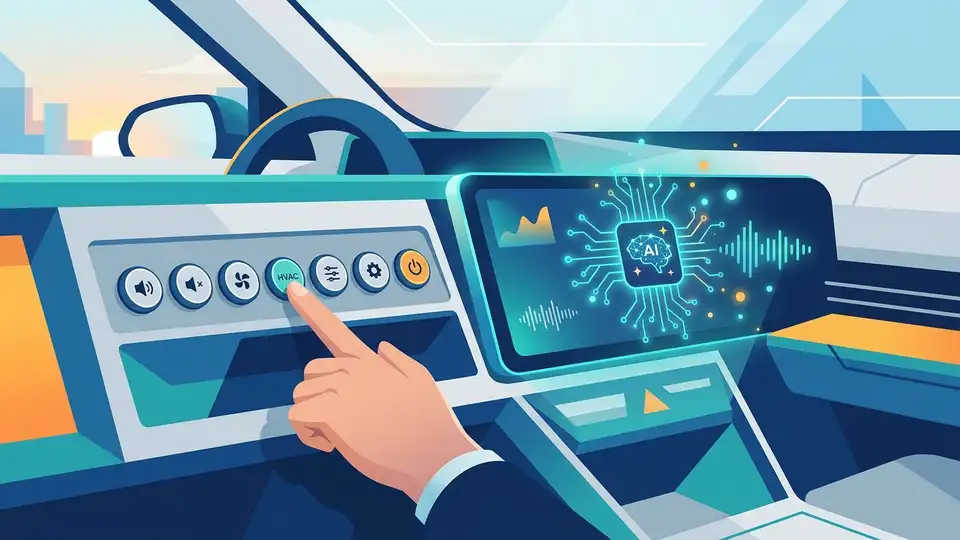
Hyundai’s Pleos Connect infotainment adds AI, split screens, and physical controls.
Hyundai is rolling out Pleos Connect, its next infotainment system, starting with the Korean-market Grandeur sedan. The company says the software will eventually spread across Kia and Genesis models too, with a target of 20 million vehicles by 2030.
The interesting part is what Hyundai kept. Instead of turning the cabin into a giant glass slab, Pleos Connect still uses real knobs for volume and tuning, plus toggle switches for climate control. That choice matters, because drivers have spent the last few years complaining that too many automakers buried basic functions inside screens.
| Fact | Detail |
|---|---|
| First launch vehicle | Hyundai Grandeur sedan |
| Next global model | Ioniq 3 hatchback for Europe |
| Rollout target | 20 million Hyundai, Kia, and Genesis models by 2030 |
| Main AI assistant | Gleo |
| Core UI layout | Narrow gauge display plus split center touchscreen |
Hyundai’s software push starts with the screen
Get the latest AI news in your inbox
Weekly picks of model releases, tools, and deep dives — no spam, unsubscribe anytime.
No spam. Unsubscribe at any time.
Pleos Connect is more than a fresh interface. It is Hyundai’s first big step toward software-defined vehicles, which means the car’s computer architecture and user experience matter more than the old-school idea of fixed hardware features. That shift is already visible in the cabin layout: a slim digital cluster sits high on the dash, while the center display carries most of the workload.
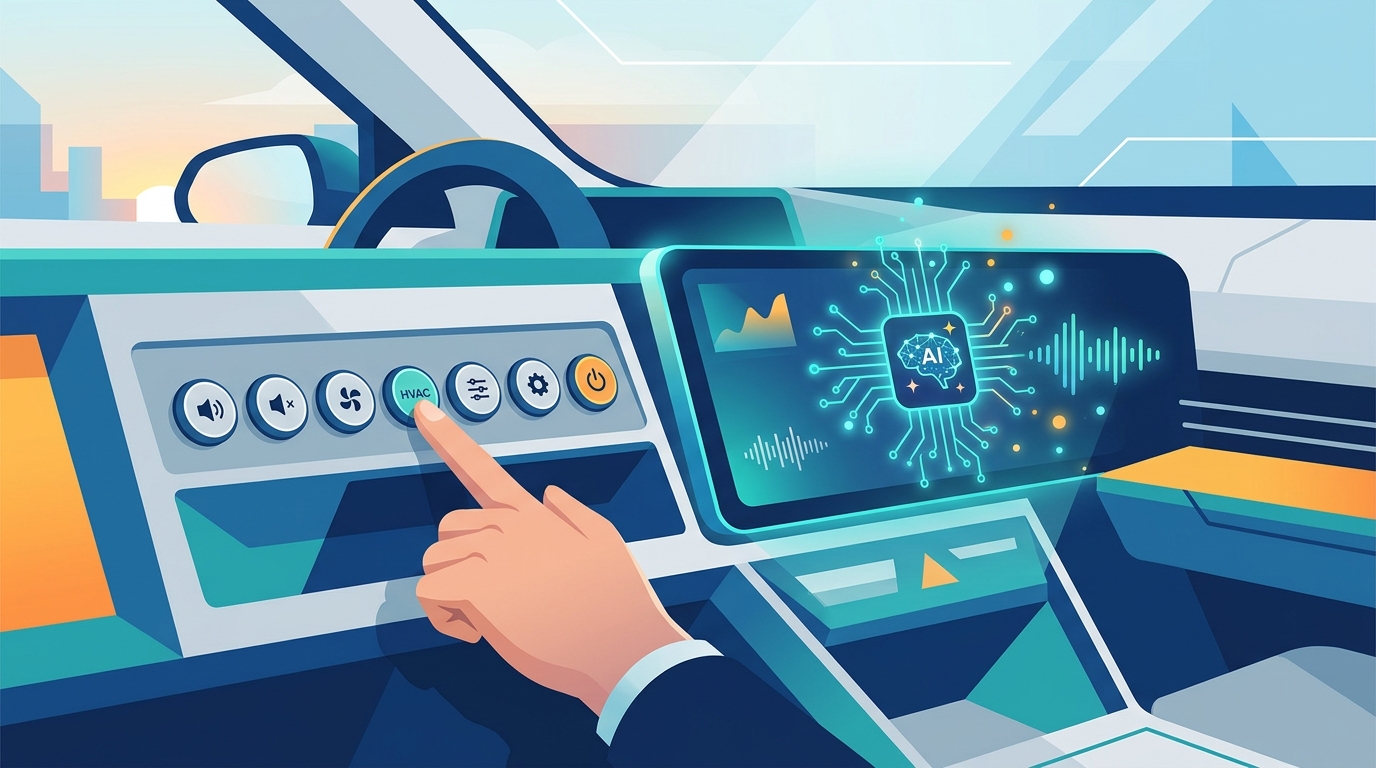
The center screen is split into three zones. The section closest to the driver shows vehicle info and a 3D view of nearby objects and people, which echoes the driver-assist visualizations Tesla has used for years. The middle section handles navigation, media, and third-party apps. The third section is a static shortcut bar that keeps common functions within reach.
Hyundai is also leaning into a more phone-like interface. The company says the system was designed to feel familiar to people who live on smartphones, which is a smart move if you want drivers to figure it out quickly without reading a manual the size of a novel.
- Large center touchscreen with three distinct sections
- Narrow digital gauge display above the dashboard
- 3D surrounding-object visualization in the driver-side screen area
- Static shortcut bar for common functions
Real buttons are the best design decision here
Hyundai deserves credit for resisting the temptation to hide everything behind software. The new Grandeur setup keeps physical volume and tuning knobs, plus dedicated climate toggles. That is the kind of detail that makes a car easier to live with every day, especially when you are driving over bad pavement or trying to adjust the cabin without poking around menus.
The company also added a three-finger gesture that closes apps and moves windows around the screen. That sounds minor, but it hints at how closely Hyundai wants the system to behave like a tablet or laptop. The catch is that gesture controls only work well when they are obvious, consistent, and fast enough to beat a simple button press.
“We designed Pleos Connect to be more like a smartphone,” Hyundai executive vice president Chang Song said in 2024 when the company introduced its wider software strategy.
That quote matters because it explains the philosophy behind the system. Hyundai is trying to make the cabin feel modern without repeating the mistake of making every basic action depend on a touchscreen tap.
Gleo is Hyundai’s answer to the in-car AI race
Every automaker seems to want an assistant now, and Hyundai’s is called Gleo. At launch, Gleo will handle practical tasks like voice-controlled vehicle settings, web searches, and navigation help. Hyundai says the assistant will gain more abilities through over-the-air updates, including personalized services later on.
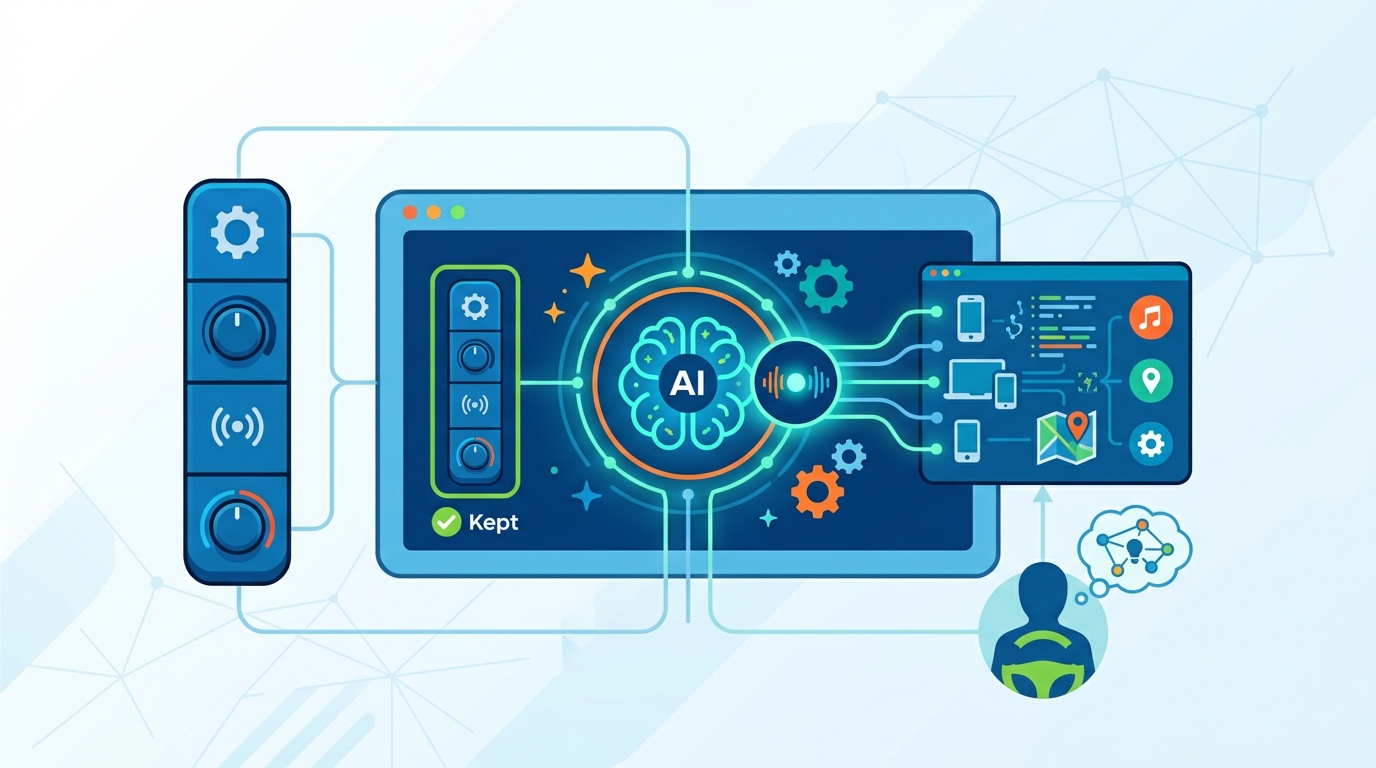
That rollout plan is important. A lot of car companies talk about AI as if it arrives fully formed on day one, but the better strategy is to start with a few useful jobs and expand after real drivers have used the system. If Hyundai gets this right, Gleo could become the part of Pleos Connect people actually notice after the novelty wears off.
Hyundai has not said exactly how far the AI will go, but the company’s own wording suggests the first version is meant to be practical, not flashy. That is a good sign. Drivers need an assistant that helps with navigation, climate, and search before they need one that tries to sound clever.
- Initial Gleo features: voice controls, web search, navigation help
- Future features arrive through over-the-air updates
- Hyundai says personalization is part of the long-term plan
What Hyundai is doing differently from rivals
Hyundai’s approach lands in the middle between old-school controls and all-screen minimalism. Some brands have gone all-in on touch interfaces and then walked parts of that back after customer complaints. Hyundai is taking a more measured route, and the numbers in the cabin design show it.
The driver gets a narrow display for the essentials, the center screen handles the digital heavy lifting, and the physical controls cover the jobs people repeat most often. That mix is more sensible than the “everything on glass” trend, especially for a family car or daily commuter.
Here is the practical comparison:
- Pleos Connect keeps knobs for volume and tuning, while many rivals have removed them entirely
- The climate system uses toggle switches instead of buried touchscreen menus
- The center display supports split-screen and single-screen modes, which is more flexible than a fixed single-pane layout
- Hyundai plans a 20 million-vehicle rollout by 2030, which puts real scale behind the software effort
There is also a market angle here. Pleos Connect will debut on the Grandeur in Korea, then move to the Ioniq 3 hatchback in Europe, and only later reach the U.S. That staggered launch suggests Hyundai wants to refine the system in markets where it can control the rollout before exposing it to its biggest audience.
For American buyers, that means patience. Hyundai says Pleos Connect should reach U.S. models in the next year or two, but the exact timing is still open. If the company keeps the physical controls and smooths out the AI features before then, it could end up with one of the more sensible infotainment systems in the segment.
Hyundai’s best move is restraint
Hyundai is not trying to impress people with a cabin that looks like a concept car from a trade show. It is trying to make software feel useful, while keeping the functions drivers still want on real hardware. That is the part worth watching as Pleos Connect spreads beyond Korea and Europe.
If the rollout stays on schedule, the real test will be whether Hyundai can keep the interface fast, keep the AI helpful, and avoid turning simple tasks into screen-hunting exercises. If it does, Pleos Connect could become the template for how mainstream automakers modernize cabins without making them harder to use.
For now, the question is simple: when Pleos Connect reaches the U.S., will Hyundai’s balance of screens, AI, and physical controls feel like common sense, or will rivals already have copied the idea?
// Related Articles
- [TOOLS]
500 AI agent projects show where agents work now
- [TOOLS]
Chocolatey’s Go package turns installs into policy
- [TOOLS]
Go support policy turns releases into a checklist
- [TOOLS]
RustDesk self-hosting setup for secure remote access
- [TOOLS]
Aider turns open-source coding into repo edits
- [TOOLS]
WWDC 2026 rumors turn Siri into a real assistant