Why KPMG’s Claude deal is the right answer to AI’s consulting problem
KPMG is right to embed Claude deeply, because consulting’s AI risks are trust and displacement, and integration addresses both.
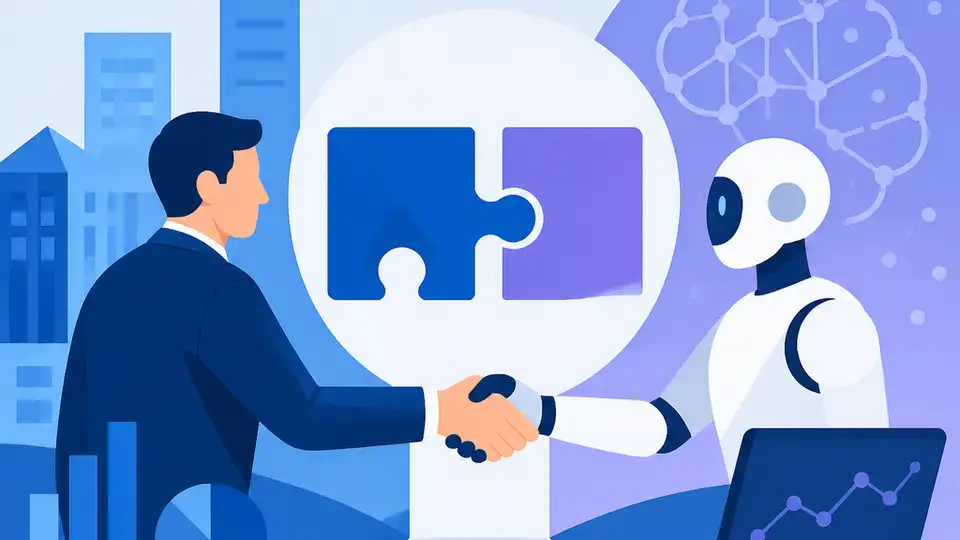
KPMG is betting that deep Claude integration solves consulting’s trust and displacement problems.
KPMG’s alliance with Anthropic is the right move because consulting’s two biggest AI fears are not separate problems, and a thin chatbot strategy solves neither one. The industry is worried that AI will produce wrong answers and damage client trust, while also worrying that model makers will eventually use consulting firms’ own workflows and data to bypass them. KPMG chose the only response that makes strategic sense: put Claude inside the work, inside the platform, and inside the training process, rather than treating AI as a side tool that everyone pretends is transformative.
First argument: consulting needs AI that is governed, not merely available
Get the latest AI news in your inbox
Weekly picks of model releases, tools, and deep dives — no spam, unsubscribe anytime.
No spam. Unsubscribe at any time.
The biggest mistake firms are making is treating AI adoption like software rollout instead of risk management. KPMG’s own research found that only 5% of more than 1.4 million AI interactions led to meaningful outcomes. That is not a sign that the technology is useless; it is proof that access alone does not create value. If professionals are left to improvise with generic prompts, they will get shallow outputs, inconsistent quality, and a lot of quietly wasted time.
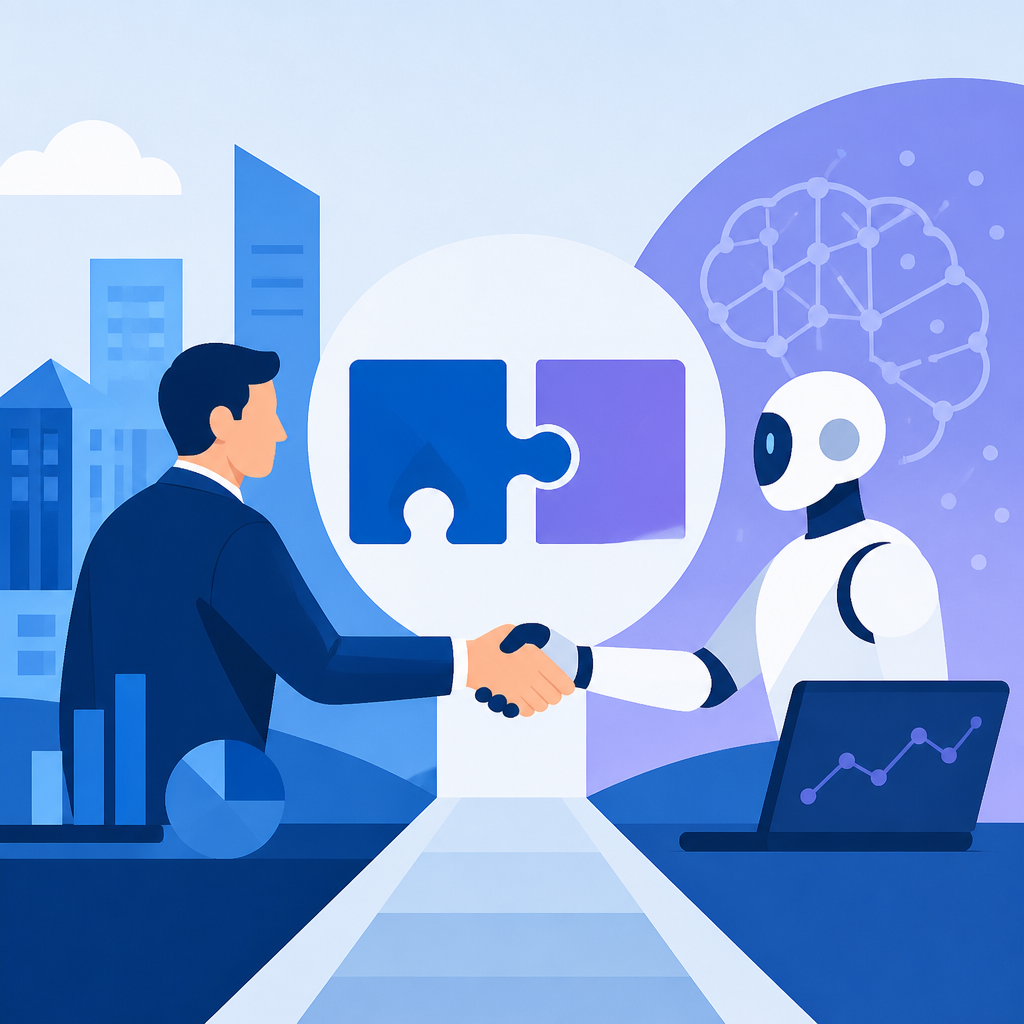
KPMG’s answer is to force AI into a disciplined workflow. Its “Think, Prompt, Check” method does the part most companies skip: it makes judgment part of the process instead of hoping employees will develop it on their own. Embedding Claude into Digital Gateway means the model is not an optional toy on the side, but a governed tool inside the system where tax, advisory, and deal teams already work. That matters in a profession where a bad answer is not just embarrassing, but expensive and potentially litigious.
Second argument: the real threat is displacement, and integration is the only defense
The second nightmare for consulting firms is more existential. If AI vendors become good enough at the actual work, they do not need to stop at selling software to consultants. They can learn from the same engagements, the same document patterns, and the same client pain points, then move up the stack. That is why the “fox in the hen house” critique lands so hard. It names a real danger: if firms hand over the operating layer to model providers, they also hand over leverage.
KPMG’s partnership reduces that risk by making the firm the place where the model is deployed, trained, and operationalized for the client. Anthropic is not just selling a model; it is aligning with a consulting firm that already owns regulated workflows, client relationships, and domain expertise. The private equity angle is especially telling. KPMG is not merely consuming Claude; it is becoming Anthropic’s preferred consulting partner for PE, which means the firm is trying to sit between the model and the market, not be replaced by it. That is the correct strategic posture.
The counter-argument
The strongest objection is that this is exactly how incumbents get hollowed out. AI companies are building their own services arms, and by partnering with a Big Four firm they get access to the very operating data that makes consulting valuable. Even if KPMG says client data will not train Claude and will remain in a secure proprietary environment, the broader concern remains: the model provider still learns the shape of the work, and over time that knowledge can reduce the need for the middleman.
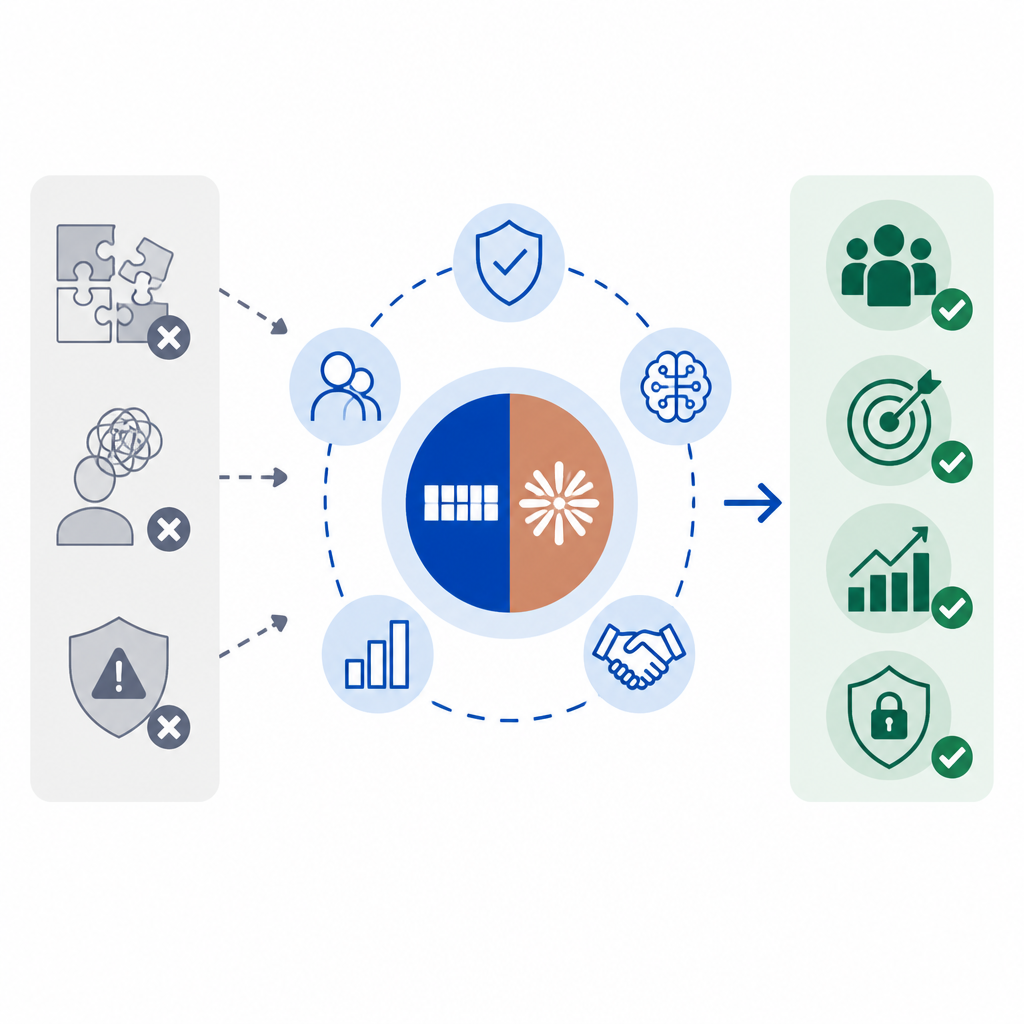
There is also a simpler critique from inside consulting itself. If only 5% of interactions are producing meaningful outcomes, maybe the return on AI is still too weak to justify the organizational disruption. Why restructure workflows, retrain thousands of employees, and expose yourself to partner risk if the technology is still immature? That is a fair challenge, and it is the best reason to distrust hype in this market.
But that counter-argument fails on one key point: it assumes the choice is between perfect AI and no AI. It is not. The real choice is between a controlled, embedded system and a chaotic, fragmented one. KPMG is accepting the limits of the current technology while building the muscle to improve usage at scale. The 5% figure is not an argument against integration; it is the evidence for it. If most employees are not getting value, the answer is not to keep AI at arm’s length. The answer is to redesign how the work gets done.
What to do with this
If you are a founder, PM, or engineering leader, stop asking whether AI should be added to the workflow and start asking which workflow should be rebuilt around AI governance, traceability, and human review. The KPMG playbook is not about chasing novelty. It is about putting the model where the work lives, defining what good output looks like, and training people to interrogate the result. That is the standard now: not AI on the side, but AI inside a system that can survive scrutiny.
// Related Articles
- [IND]
OpenAI updates its Europe privacy policy
- [IND]
OpenAI is right to keep ads out of sensitive chats
- [IND]
AI bootlegs are already draining streaming royalties
- [IND]
AMD and Microsoft push Windows ML on GPU and NPU
- [IND]
OpenAI’s IPO filing turns hype into scrutiny
- [IND]
Skatteetaten proves public sector AI should be judged by outcomes