NYSE’s 24/7 tokenized trading push explained
ICE is building a tokenized securities platform for nonstop NYSE trading, instant settlement, and fractional stock ownership.

ICE is building a tokenized securities platform for nonstop NYSE trading and instant settlement.
The New York Stock Exchange may be heading toward 24/7 trading, and this time the idea comes with blockchain rails. Intercontinental Exchange, the NYSE’s parent company, is working on a tokenized securities platform that could let stocks and ETFs trade around the clock.
That matters because U.S. equities still live inside a fairly old operating model: regular hours, delayed settlement, and a lot of back-office plumbing. The pitch for tokenization is simple enough to understand and hard enough to execute: faster settlement, fractional ownership, and a market that behaves more like software than a trading floor.
| Metric | Current model | Tokenized model |
|---|---|---|
| NYSE trading hours | 9:30 a.m. to 4:00 p.m. ET | 24/7 target |
| U.S. stock settlement | T+1 | Minutes or seconds |
| Ownership format | Traditional brokerage records | Blockchain-based tokens |
| Investor access | Whole shares and some fractional support | Smaller tokenized portions |
What ICE is actually building
Get the latest AI news in your inbox
Weekly picks of model releases, tools, and deep dives — no spam, unsubscribe anytime.
No spam. Unsubscribe at any time.
Tokenization means turning ownership rights in a real asset into a digital token on a blockchain. In this case, the asset is a stock or an ETF, and the token would still point to the same economic rights investors expect from a normal security.
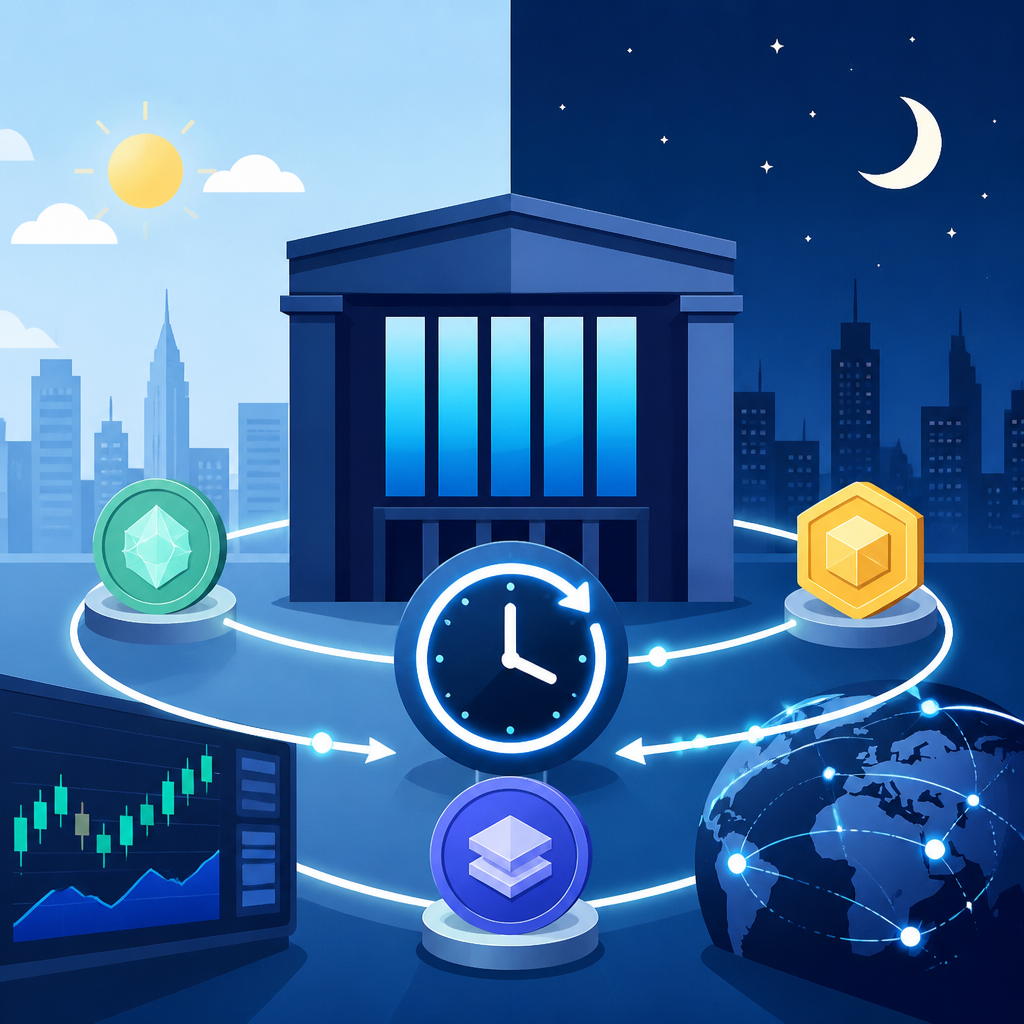
That is why this story is different from a crypto exchange trying to mimic Wall Street. The goal here is to keep the legal structure of securities while changing the plumbing underneath it. If the model works, ownership transfers can happen much faster than the current mix of brokerages, clearinghouses, transfer agents, and reconciliation systems.
The article’s biggest claim is settlement speed. U.S. stock trades currently settle on a DTCC-supported T+1 basis, which means final settlement happens one business day after the trade. Tokenized systems could cut that to minutes or even seconds, which would reduce counterparty risk and free up capital faster.
- Tokenized shares would still track real company ownership.
- Dividend and governance rights may remain intact, depending on regulation.
- Blockchain settlement could reduce back-office friction.
- Fractional ownership may become easier to distribute at scale.
Why 24/7 trading changes the market
The NYSE’s regular session still runs from 9:30 a.m. to 4:00 p.m. Eastern Time on weekdays. That schedule made sense when markets were local, phone-based, and tied to physical exchange floors. It looks much less natural now that investors in Asia, Europe, and the Middle East want immediate access to U.S. assets.
The real pressure comes from crypto. Digital asset markets taught a generation of traders that markets can stay open all the time. Once that behavior became normal, traditional finance had to answer a basic question: why can’t stocks do the same?
That is where this proposal gets interesting. A 24/7 market could pull in more volume, especially from retail traders who already use app-based brokerages and expect instant execution. It could also create new headaches. Continuous trading can amplify price swings, expose thin liquidity windows, and make risk management harder for both brokers and market makers.
“I think the future of trading is a hybrid future.” — Adena Friedman, CEO of Nasdaq, speaking at the World Economic Forum in 2024.
That quote matters because it captures where the market is heading. Traditional exchanges are not being replaced overnight. They are being pushed to mix old market structure with newer digital rails, and the NYSE proposal fits that pattern.
The rest of Wall Street is already moving
The NYSE is not alone. Nasdaq has also talked publicly about extended trading access, and brokerages such as Robinhood, Charles Schwab, and Interactive Brokers already offer some form of extended-hours or overnight trading. The direction of travel is obvious even if the final architecture is still uncertain.
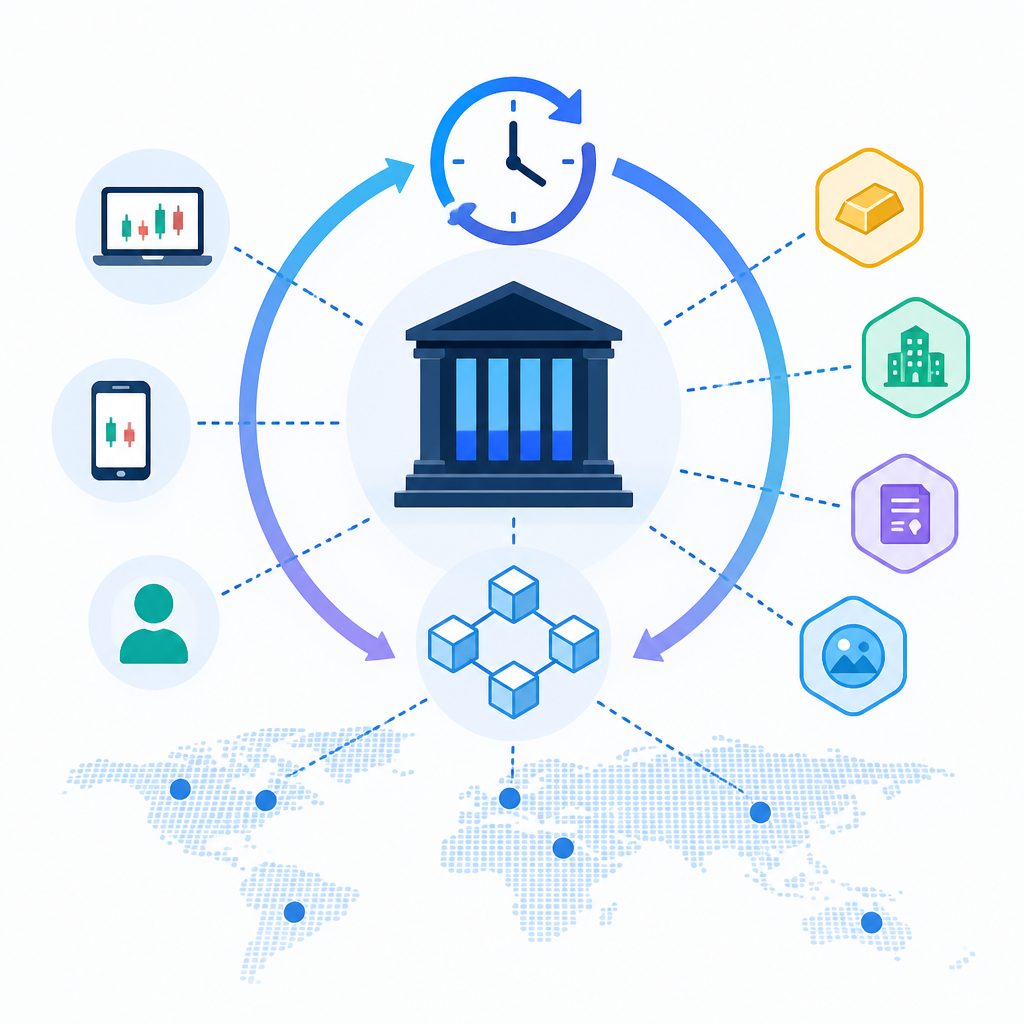
The tokenization angle adds a second layer. This is no longer just about letting people trade after dinner. It is about changing how ownership is recorded, how cash moves, and how fast the market can clear a trade. That is a bigger operational shift than most investors realize.
There is also a funding story here. The article mentions stablecoins as part of the proposed system, which suggests a bridge between traditional securities and blockchain-based cash movement. That matters because tokenized assets are only useful if the money side moves just as fast.
- BNY Mellon has explored digital asset infrastructure for years.
- Citigroup has publicly discussed tokenized finance and digital payments.
- Stablecoins can reduce friction in cross-border transfers.
- Tokenized deposits could make settlement more programmable.
The regulatory test will decide everything
None of this matters if regulators do not approve it. The U.S. Securities and Exchange Commission will need to examine custody, surveillance, anti-money-laundering controls, cybersecurity, and market manipulation risks before a platform like this can scale.
That caution is understandable. Crypto history has given regulators plenty of reasons to slow down. Exchange failures, custody mistakes, and fraud cases made clear that digital systems can move faster than oversight. The NYSE is trying to avoid that trap by keeping tokenization inside the securities rulebook instead of outside it.
If approved, the project could create a cleaner path for institutional adoption than the crypto sector ever managed. If rejected or delayed, it would send a message that U.S. markets still want modernization, just on a much slower clock.
What investors should watch next
The most important question is not whether tokenized trading is technically possible. It is whether the market can absorb nonstop trading without making liquidity worse in the hours when fewer participants are awake. That is where the experiment gets real.
For retail investors, the upside is obvious: more access, smaller buy sizes, and faster trade finality. For institutions, the appeal is operational efficiency and lower settlement risk. For regulators, the challenge is making sure the system does not create a new class of digital failure inside the core equity market.
My read: the first version will probably be narrow, heavily supervised, and limited to specific products such as ETFs or select equities. If that pilot works, the next question is whether U.S. markets still need the old closing bell at all.
// Related Articles
- [IND]
OpenAI is right to keep ads out of sensitive chats
- [IND]
AI bootlegs are already draining streaming royalties
- [IND]
AMD and Microsoft push Windows ML on GPU and NPU
- [IND]
OpenAI’s IPO filing turns hype into scrutiny
- [IND]
Skatteetaten proves public sector AI should be judged by outcomes
- [IND]
OpenAI’s IPO filing puts AI’s biggest test on Wall Street