OpenAI maps out compute buildout beyond 10GW
OpenAI says it is planning beyond 10GW of compute and reviewing U.S. data center sites with partners.
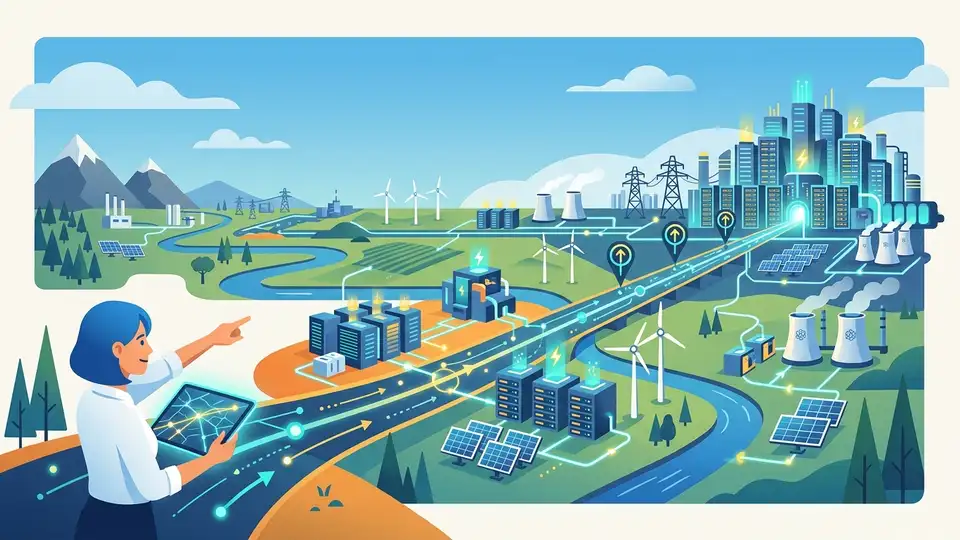
OpenAI is planning a much larger U.S. data center buildout beyond its initial 10GW target.
OpenAI says it is already looking past its first 10GW goal, and the company is evaluating data center locations across the United States with partners. That matters because compute is now the bottleneck for training and serving frontier AI models, and the scale being discussed here is measured in gigawatts, not server racks.
| Metric | Value | What it means |
|---|---|---|
| Initial compute target | 10GW | OpenAI’s first major capacity goal |
| Planning horizon | Beyond 10GW | Capacity expansion continues after the initial target |
| Site search area | Across the U.S. | Potential data center locations are being reviewed nationwide |
Why 10GW is such a big number
Get the latest AI news in your inbox
Weekly picks of model releases, tools, and deep dives — no spam, unsubscribe anytime.
No spam. Unsubscribe at any time.
Gigawatts are a power-grid number, which is exactly why this announcement feels bigger than a normal cloud capacity update. A 10GW target implies industrial-scale electricity, cooling, land use, and buildout timelines that look closer to major infrastructure projects than to typical enterprise IT.
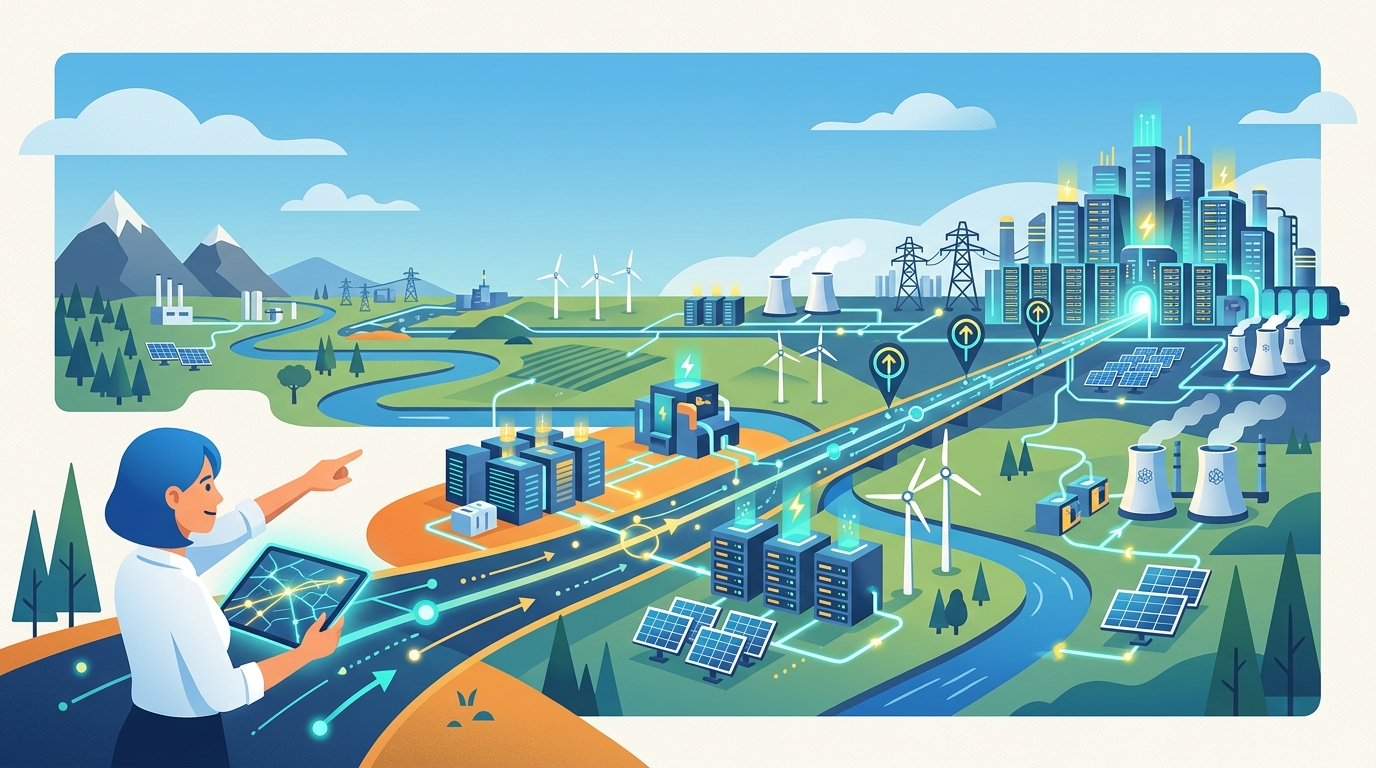
For AI companies, compute is no longer just a line item. It shapes model training schedules, inference latency, product rollout speed, and the ceiling on how many users a system can support at once.
- 10GW is large enough to require serious utility planning
- Data center siting becomes a grid, water, and permitting question
- Capacity growth can affect model release cadence and product availability
What OpenAI is actually saying
The core message is simple: the company is not treating 10GW as a finish line. OpenAI and its partners are already evaluating locations for more data centers, which means the next phase is about land, power, and execution rather than just model research.
That lines up with the broader direction of the company’s public messaging. OpenAI has increasingly talked about infrastructure as a strategic input, the same way chip supply or model architecture can shape what gets built next.
“The world needs more AI infrastructure” — Sam Altman, OpenAI CEO, in a September 2024 post on X.
That quote matters because it frames this announcement as part of a longer push, not a one-off expansion. OpenAI is signaling that the company expects demand for compute to keep rising, and it wants to secure the physical capacity to meet it.
How this compares with the rest of the industry
OpenAI is not alone in treating compute as a strategic asset. OpenAI, Microsoft, Google, and Amazon have all spent heavily on AI infrastructure, but the numbers being discussed now are getting harder to ignore.
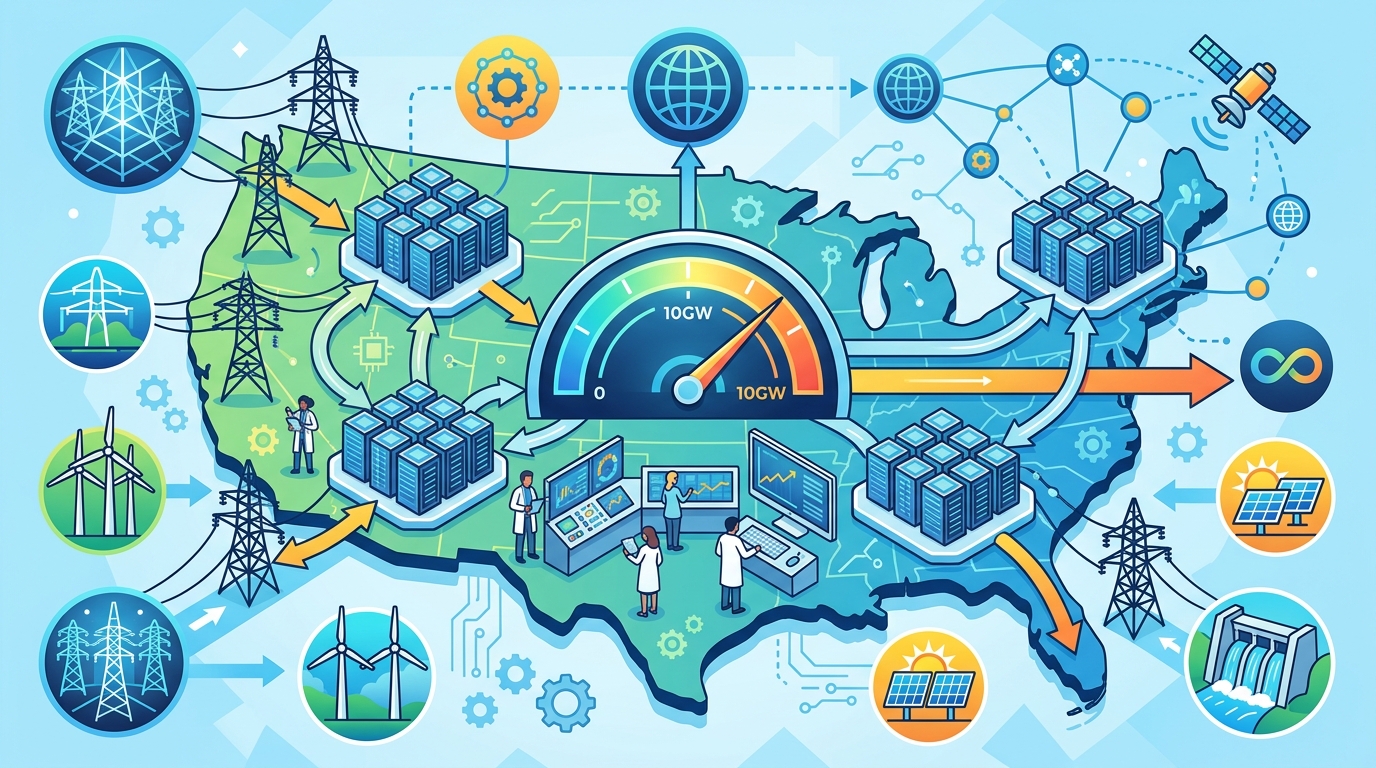
Here’s the practical comparison: a conventional enterprise data center might be designed around tens of megawatts, while AI training campuses are being discussed in gigawatt terms. That is a different order of planning, financing, and risk.
- Enterprise data centers often operate in the tens of megawatts
- Large AI campuses are moving into hundreds of megawatts and gigawatts
- Power availability now influences where AI companies can even build
Those numbers also explain why location matters so much. A site with cheap land is useless if the grid cannot support it. A region with available power may still run into permitting, water, or transmission constraints.
What to watch next
The interesting part is not whether OpenAI can announce more compute. It is whether the company can turn a national site search into actual operational capacity fast enough to matter for model training and product delivery.
If OpenAI keeps pushing beyond 10GW, the next signals to watch are utility agreements, land purchases, chip supply commitments, and partnerships with infrastructure operators. Those are the real breadcrumbs that show whether this is a planning statement or the start of a massive buildout.
For readers tracking AI infrastructure, the takeaway is straightforward: the next bottleneck is power, and the companies that lock it down first will have more room to train, serve, and ship models at scale.
// Related Articles
- [IND]
Skatteetaten proves public sector AI should be judged by outcomes
- [IND]
OpenAI’s IPO filing puts AI’s biggest test on Wall Street
- [IND]
OpenAI’s latest moves now center on pricing, safety, and scale
- [IND]
RISC-V mini PCs are worth buying now, but only as a bet on the future
- [IND]
Fedora 44 RISC-V widens Linux board support
- [IND]
June 2026 agentic AI platform war centers on memory