OpenAI backs Rosalind Biodefense access for trusted devs
OpenAI is sponsoring GPT-Rosalind access for trusted developers building biosecurity tools for pandemic preparedness.
OpenAI is funding access to GPT-Rosalind for trusted developers building biodefense tools.
OpenAI has opened a new program around Rosalind Biodefense, and the pitch is direct: give selected builders access to frontier AI and help them turn it into practical biosecurity software. The goal is to improve preparedness before the next biological threat shows up, not after the damage is already done.
The company says it will sponsor access to OpenAI models for trusted developers working on operational biodefense tools. It also plans launch support for teams building applications that can strengthen pandemic preparedness and broader societal resilience.
| Item | What OpenAI says |
|---|---|
| Program focus | Operationalized biodefense tools |
| Access model | Sponsored GPT-Rosalind access |
| Support | Launch support for trusted developers |
| Goal | Pandemic preparedness and biosecurity |
What this program is trying to do
Get the latest AI news in your inbox
Weekly picks of model releases, tools, and deep dives — no spam, unsubscribe anytime.
No spam. Unsubscribe at any time.
Rosalind Biodefense is aimed at a very specific problem: the gap between AI research and real-world biosecurity workflows. Plenty of AI announcements talk about safety in broad terms. This one is about helping a narrow group of developers build tools that can actually be used in biodefense settings.

That matters because preparedness work often fails at the boring layers. Data needs to be organized, signals need to be monitored, and teams need tools that can move from theory to daily use. A model access program can help if it lowers the cost and time needed to build those systems.
- It targets trusted developers rather than open access for everyone.
- It focuses on operational tools, which means software that can be used in practice.
- It is tied to biosecurity and pandemic preparedness, not general-purpose chatbot work.
- It includes launch support, so the effort is about shipping products, not only testing ideas.
Why the choice of developers matters
OpenAI is being selective here, and that is the right call. Biosecurity is one of the few areas where access policy matters as much as model quality. If a program like this is going to be useful, it has to balance speed with careful vetting.
The company is framing the effort around trusted builders, which suggests it wants partners with domain expertise, security discipline, and a clear use case. That is a different audience from hobbyists or general app teams. It also means the program is likely meant for organizations that can handle sensitive workflows and compliance demands.
“The COVID-19 pandemic has been a stark reminder of the importance of preparedness,” said Sam Altman in OpenAI’s blog post on the program.
That quote gets to the heart of the announcement. OpenAI is treating biological risk as a systems problem, where better tools could help detection, planning, and response. The company is not claiming AI can solve biosecurity on its own. It is saying AI can improve the tools people already rely on.
How this compares with typical AI support programs
Most AI support programs hand out API credits, documentation, and maybe a few office hours. Rosalind Biodefense sounds narrower and more opinionated. It is built around one domain, one type of user, and one kind of output: software that can help with biodefense.
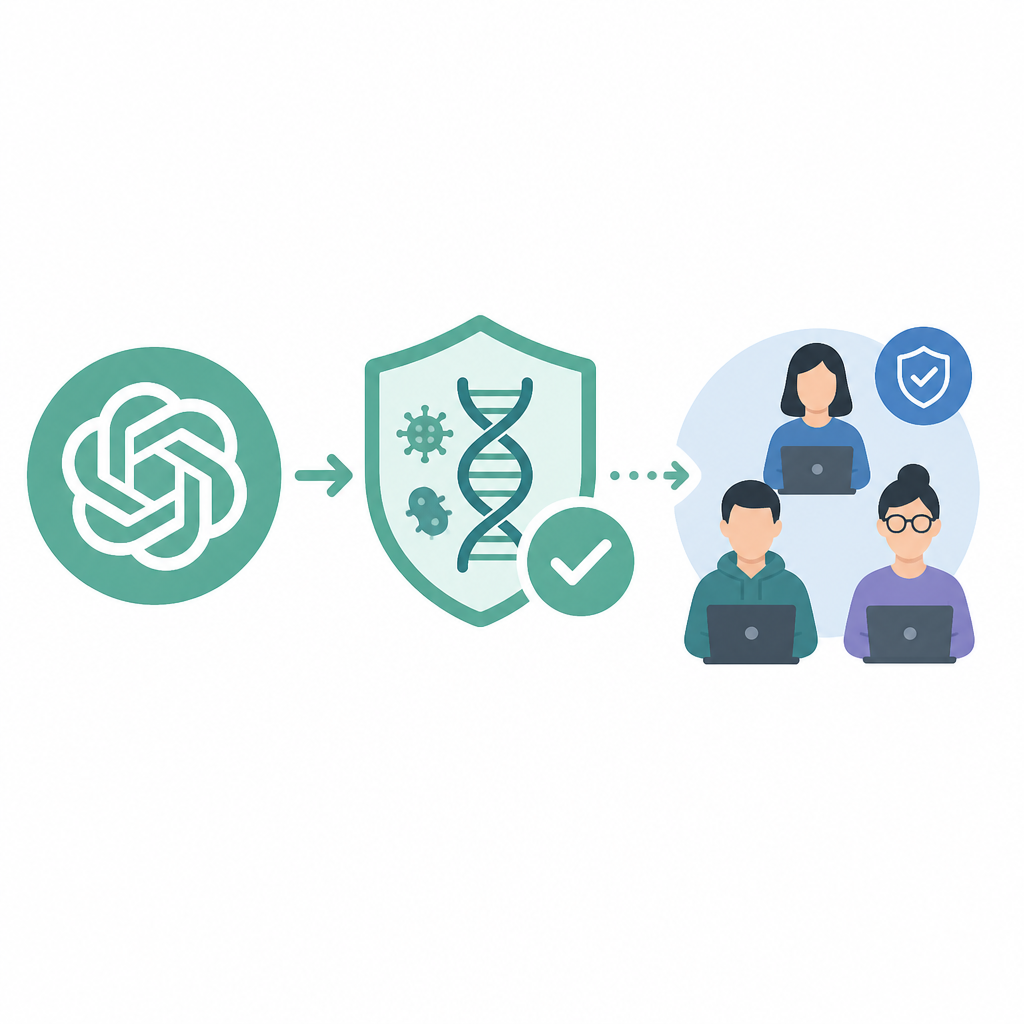
That narrower scope has tradeoffs. It reduces the chance of random experimentation, but it also limits the pool of people who can participate. In exchange, OpenAI gets a better shot at producing something useful in a high-stakes area.
- General AI grant programs: broad access, wide experimentation, less domain focus.
- Rosalind Biodefense: selective access, biosecurity focus, launch support.
- Typical startup accelerators: business growth first, technical domain second.
- Research partnerships: knowledge generation first, product deployment second.
That difference matters for developers reading this as a signal. If you build in health security, diagnostics, surveillance, or emergency response, this is the kind of program that could matter more than a generic model grant. If you build consumer apps, it probably does not.
It also fits a broader pattern in AI: the most interesting work is moving into specialized programs with tighter rules. That is especially true in domains where misuse risk is real and the upside depends on trusted deployment.
What developers should watch next
The key question is whether Rosalind Biodefense becomes a one-off sponsorship or a repeatable pipeline for serious biosecurity work. If OpenAI keeps backing selected teams and helps them move from prototype to deployment, the program could become a model for other high-risk domains.
For now, the announcement is a clear signal that OpenAI wants frontier models used in places where preparedness has tangible value. Developers in biosecurity should watch for application criteria, partner requirements, and whether the company publishes examples of what successful projects look like. Those details will tell you whether this is a real builder program or just a policy statement with a product wrapper.
For readers following AI policy and safety, this announcement also fits with the kind of domain-specific work discussed in our coverage of responsible deployment in OraCore.dev news. The next test is simple: can a sponsored model access program help produce tools that public health teams and biodefense groups will actually use?
// Related Articles
- [IND]
OpenAI updates its Europe privacy policy
- [IND]
OpenAI is right to keep ads out of sensitive chats
- [IND]
AI bootlegs are already draining streaming royalties
- [IND]
AMD and Microsoft push Windows ML on GPU and NPU
- [IND]
OpenAI’s IPO filing turns hype into scrutiny
- [IND]
Skatteetaten proves public sector AI should be judged by outcomes