OpenClaw: 247,000 GitHub stars, 47,700 forks
OpenClaw, the open-source AI agent from Peter Steinberger, hit 247,000 GitHub stars as firms, developers, and regulators weighed its risks.

OpenClaw is an open-source AI agent that runs tasks through messaging apps and large language models.
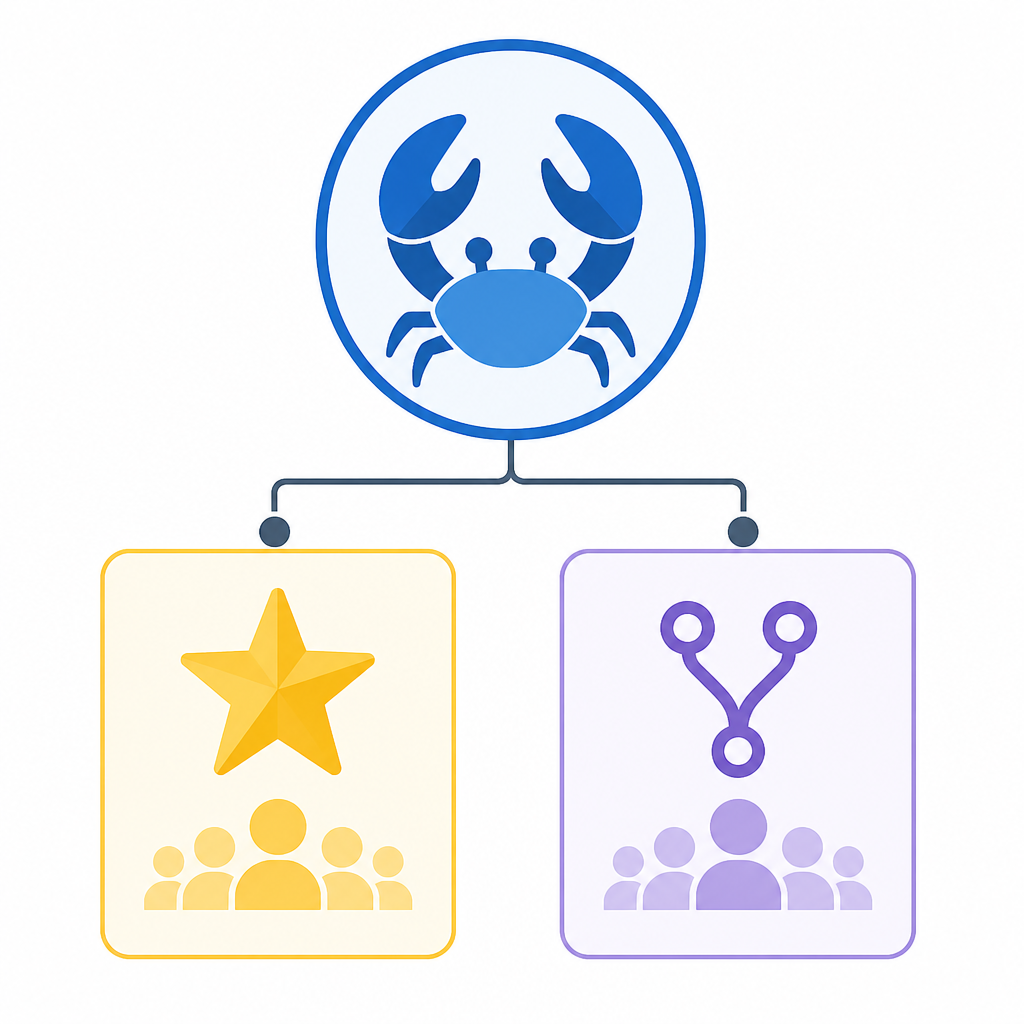
247,000 GitHub stars and 47,700 forks helped push OpenClaw from a niche bot project into a widely watched AI agent. The software, created by Austrian developer Peter Steinberger, was first released on November 24, 2025 as Clawdbot and later renamed twice before settling on OpenClaw in late January 2026.
| 項目 | 數值 |
|---|---|
| Initial release | November 24, 2025 |
| Renamed to Moltbot | January 27, 2026 |
| Renamed to OpenClaw | Three days later |
| GitHub stars | 247,000 |
| GitHub forks | 47,700 |
What changed
Get the latest AI news in your inbox
Weekly picks of model releases, tools, and deep dives — no spam, unsubscribe anytime.
No spam. Unsubscribe at any time.
OpenClaw is built as a local autonomous assistant that connects to external LLMs such as Claude, DeepSeek, and OpenAI’s GPT models. Users interact with it through messaging apps including Signal, Telegram, Discord, and WhatsApp, while data and chat history stay stored locally for persistent behavior across sessions.

The project’s skills system is a big part of its appeal. Skills live in folders with a SKILL.md file, can be bundled with the app or installed globally, and can also be scoped to a workspace, with workspace skills taking priority.
- Written in TypeScript and Swift
- MIT licensed and cross-platform
- Derived from Steinberger’s earlier assistant, Clawd
- Adopted for lead-gen tasks such as prospect research, website audits, and CRM work
The rename chain also mattered. After trademark complaints from Anthropic, Clawdbot became Moltbot, then OpenClaw three days later because Steinberger said Moltbot did not sound right. Around the same time, entrepreneur Matt Schlicht launched Moltbook, a social network for AI agents, which helped drive more attention to the project.
Why it matters
OpenClaw is now a test case for what happens when an agent gets broad access to email, calendars, and messaging tools. That access makes it useful for automation, but it also raises the odds of prompt injection, data exposure, and accidental actions that users did not intend.
Those risks are no longer theoretical. Cisco researchers reported that a third-party OpenClaw skill could exfiltrate data and carry out prompt injection, while Chinese authorities later restricted state-run enterprises and government agencies from running OpenClaw apps on office computers. At the same time, Chinese developers and companies such as Tencent and Z.ai have adapted or built services around it, showing the split between adoption and caution.
There is also a governance question now that Steinberger has said he will join OpenAI and that a nonprofit foundation will be created to oversee the project. For developers, OpenClaw is less a finished product than a live stress test for agent safety, permissions, and who is responsible when software acts on its own.
The key question is not whether OpenClaw can automate more work, but how much control users should give an agent before convenience turns into risk.
// Related Articles
- [AGENT]
Claude Code 动态工作流:AI 自写 Harness
- [AGENT]
Agent orchestration is the missing layer for enterprise AI
- [AGENT]
AI agents use blockchain as a trust layer
- [AGENT]
8 RAG patterns that turn demos into prod
- [AGENT]
Fine-tuning beats RAG when the goal is style, not facts
- [AGENT]
OpenClaw shows how small businesses use AI staff