OpenClaw: 374k-star local AI assistant for any device
OpenClaw is a self-hosted AI assistant for personal devices, with a Gateway daemon, multi-channel chat, voice, and sandboxed tools.
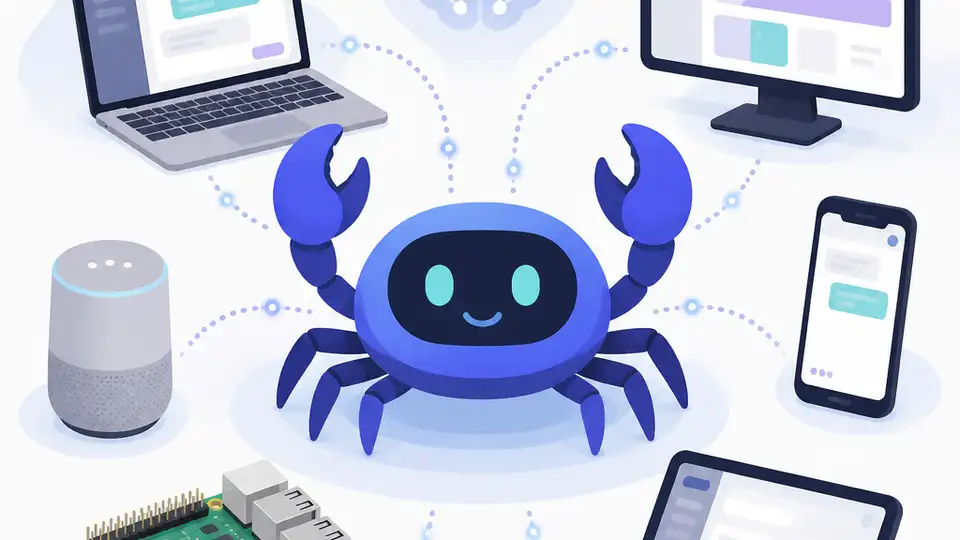
OpenClaw is a self-hosted personal AI assistant that runs on your own devices.
374,000 GitHub stars and 77,600 forks now sit on OpenClaw, an open source assistant project that positions itself as a local-first AI layer across phones, desktops, and chat apps. The repo says the assistant can run on macOS, iOS, Android, Linux, and Windows via WSL2, with onboarding centered on a Gateway daemon that stays up as a user service.
| 項目 | 數值 |
|---|---|
| GitHub stars | 374k |
| GitHub forks | 77.6k |
| Commits | 51,314 |
| Supported channels | 20+ |
| Recommended runtime | Node 24 |
What changed
Get the latest AI news in your inbox
Weekly picks of model releases, tools, and deep dives — no spam, unsubscribe anytime.
No spam. Unsubscribe at any time.
The project README now spells out a broader product shape: the Gateway is the control plane, while the assistant can answer on existing messaging channels and handle voice, canvas, and tool calls. Supported surfaces listed in the repo include WhatsApp, Telegram, Slack, Discord, Google Chat, Signal, iMessage, Microsoft Teams, Matrix, LINE, Mattermost, Nostr, WeChat, QQ, and WebChat.
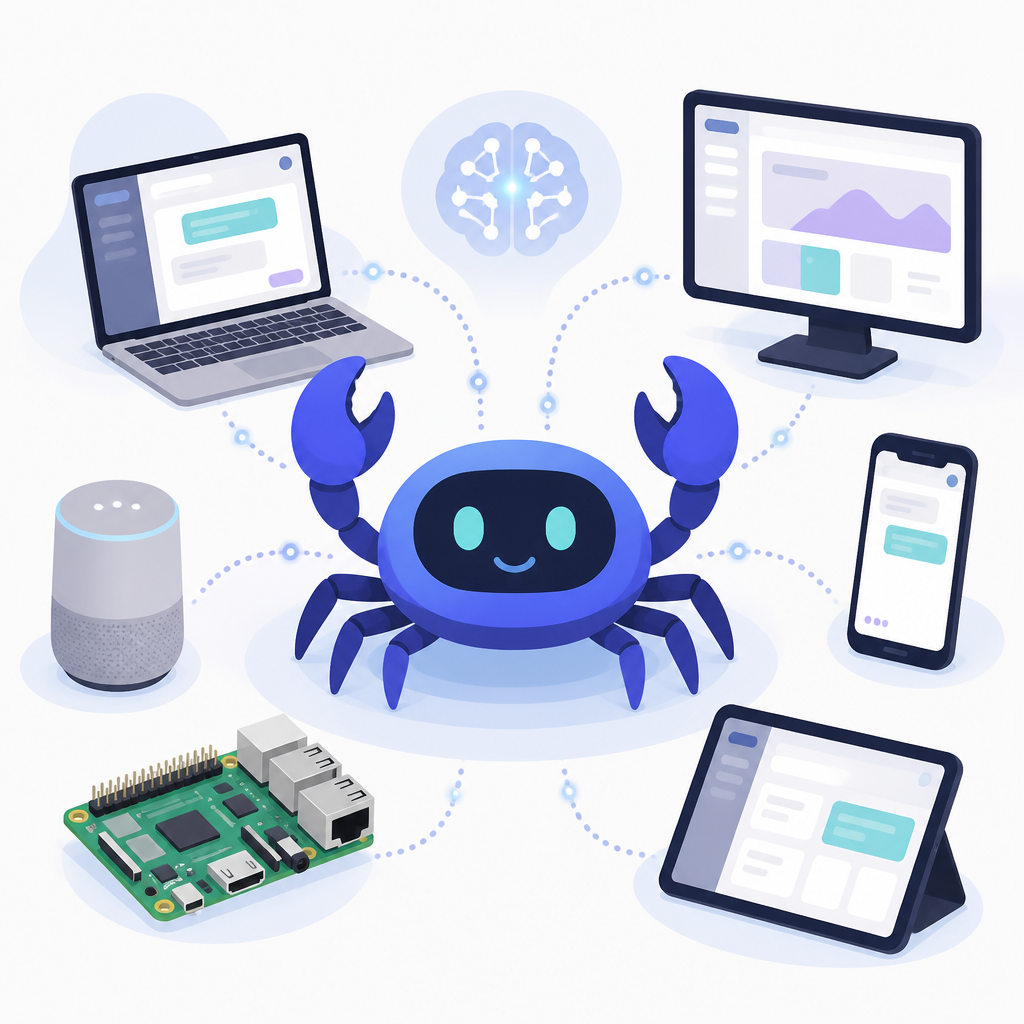
OpenClaw also pushes a clearer setup path. New users are told to run openclaw onboard, which installs the Gateway daemon through launchd or systemd so it keeps running, then guides pairing, channels, and skills. The install path recommends Node 24 or Node 22.19+, and supports npm, pnpm, or bun.
- Gateway runs as a launchd/systemd user service.
- DM pairing is the default on major chat platforms.
- Sandboxing is available for non-main sessions.
- Docker is the default sandbox backend.
The repo also documents a message-sending CLI, agent mode, and a doctor command for checking risky settings. Security guidance is explicit: inbound DMs should be treated as untrusted input, and public access needs opt-in allowlists.
Why it matters
For developers, OpenClaw is less a chatbot demo than an operator stack for a personal assistant. The combination of local daemon, multi-channel routing, voice input, and sandboxed tools makes it easier to build an assistant that can act across work and consumer apps without always living in a browser tab.
For the market, the repo shows where open source AI assistants are heading: not just model access, but persistent identity, device pairing, channel policy, and safety controls. That matters if teams want a single assistant that can answer in Slack, Telegram, or iMessage while keeping host access and remote access separated.
The key question is whether OpenClaw’s breadth becomes a real daily workflow for users, or stays a power-user stack for people willing to manage channels, models, and security settings themselves.
// Related Articles
- [TOOLS]
500 AI agent projects show where agents work now
- [TOOLS]
Chocolatey’s Go package turns installs into policy
- [TOOLS]
Go support policy turns releases into a checklist
- [TOOLS]
RustDesk self-hosting setup for secure remote access
- [TOOLS]
Aider turns open-source coding into repo edits
- [TOOLS]
WWDC 2026 rumors turn Siri into a real assistant