RAG in 2026: The Indispensable AI Bridge
In 2026, advanced Retrieval Augmented Generation (RAG) systems are essential for bridging large language models with enterprise knowledge, ensuring informed AI outputs.
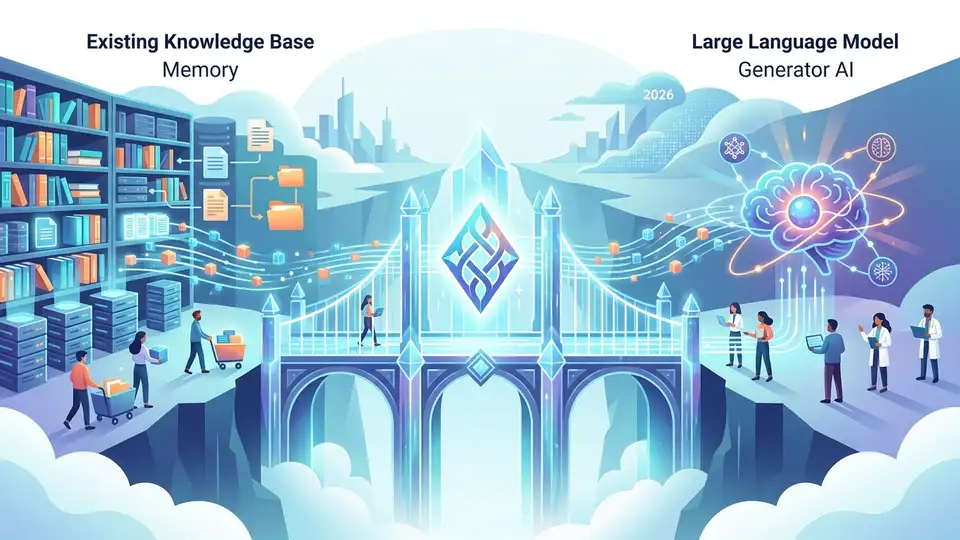
In 2026, Retrieval Augmented Generation (RAG) systems have become essential components in the landscape of enterprise AI, effectively bridging the gap between large language models (LLMs) and the vast repositories of organizational knowledge. Enterprises face a critical challenge: leveraging the power of LLMs without compromising on data accuracy, regulatory compliance, or incurring skyrocketing operational costs. Outdated insights, hallucinated outputs, and the high expense of continuous model retraining pose direct threats to a company's ROI and competitive edge.
RAG's Core Mechanism and Advantages
Get the latest AI news in your inbox
Weekly picks of model releases, tools, and deep dives — no spam, unsubscribe anytime.
No spam. Unsubscribe at any time.
RAG operates by retrieving verified, contextually relevant data precisely at the moment of generation. This ensures that AI outputs are informed and trustworthy, unlike generative AI that relies on static training data. This real-time retrieval method enables enterprises to create systems that are intelligent, compliant, secure, and scalable.
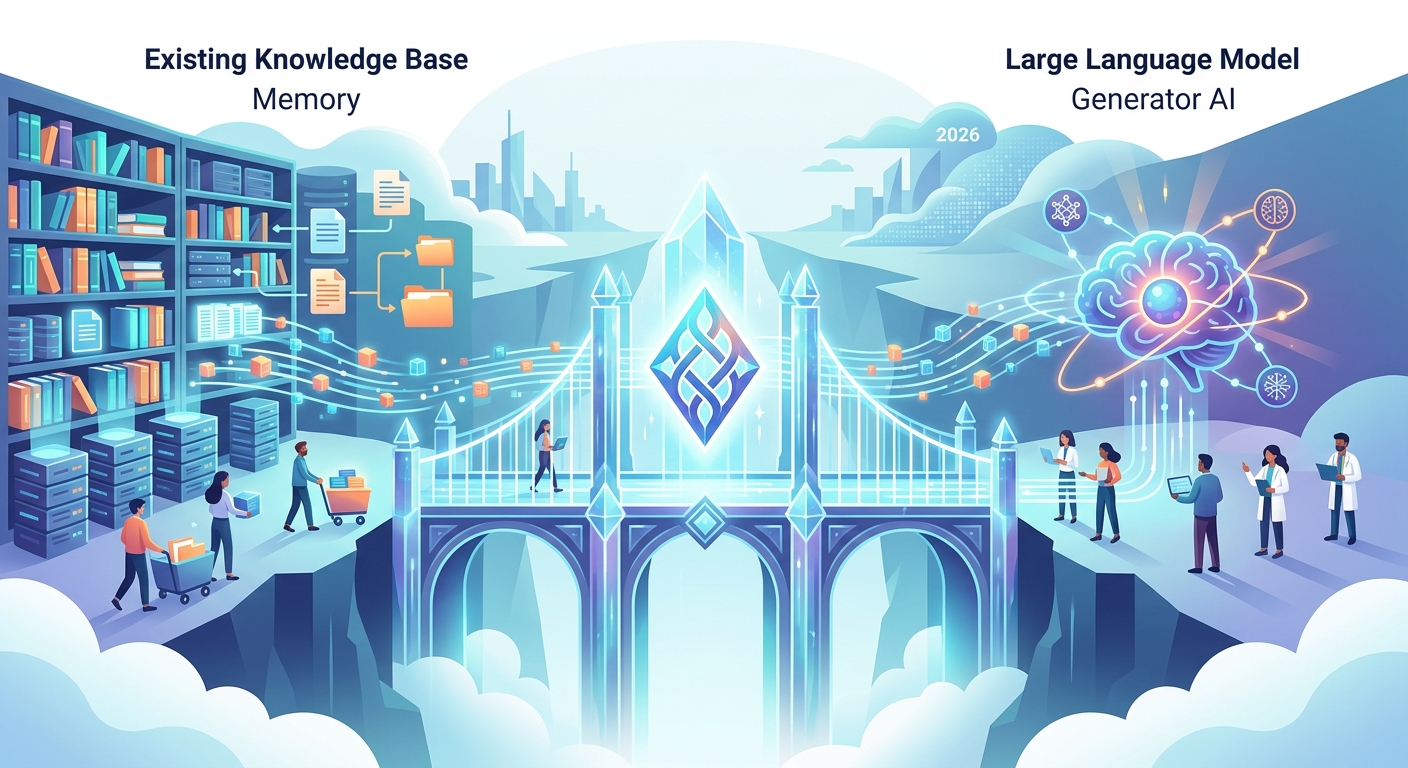
- RAG allows for real-time, curated information retrieval, ensuring AI outputs are contextually grounded.
- Enterprises benefit from systems that are adaptable to dynamic data environments, reducing the need for constant retraining.
- RAG supports compliance and security, crucial for sectors like banking and financial services, where outdated or inaccurate information can lead to significant risks.
Key Innovations Elevating RAG
Despite its benefits, traditional RAG systems have limitations. Their performance can depend on the quality of data retrieved, the context window size of the LLM, and the system's ability to validate outputs. Innovations in 2026 address these issues, making RAG indispensable for enterprise AI.
"RAG's evolution into a core enabler of enterprise AI offers businesses the accuracy and compliance needed to safely leverage Generative AI at scale," says Jan Overney, a thought leader in the AI domain.
Comparative Advantages and New Features
Advanced RAG systems in 2026 now incorporate several enhancements, pushing them from useful tools to indispensable components for enterprise AI.

- GraphRAG: By combining vector search with structured taxonomies and ontologies, GraphRAG provides context and logic, boosting search precision to nearly 99%.
- AI Guardrails: These enrich generative AI processes by aligning outputs with user roles and compliance standards, ensuring safe and consistent results.
- Operational Data Integration: Real-time data integration from structured and unstructured sources enhances decision-making and opens new use cases.
- LLM Agnostic Architecture: This flexibility allows enterprises to choose models that align with their security and cost requirements without vendor lock-in.
Conclusion: The Strategic Imperative of RAG
As RAG systems continue to evolve, they are set to become even more central to AI strategies across industries. The ability to seamlessly integrate accurate, real-time data with generative AI offers enterprises a significant advantage in making informed decisions and maintaining compliance. For businesses looking to stay competitive, investing in advanced RAG systems is not just recommended—it is becoming a necessary strategic imperative.
// Related Articles
- [MODEL]
Gemini 1.5 Pro-002, Flash-002 and 2.0 Flash update Google AI
- [MODEL]
MiniMax M3 Proves Open-Weight Can Still Win on Coding
- [MODEL]
Gemini 3.5 Flash Pricing, Context, Benchmarks
- [MODEL]
Gemma 4 12B: Specs, Benchmarks & How to Run It Locally
- [MODEL]
Best Kimi Models in 2026: K2.5 vs K2 Thinking
- [MODEL]
Kimi K2.6 adds open-source coding and agent swarm