7 Solana APIs that cut weeks off integration
7 Solana APIs for developers and AI agents, from wallet data to swap routing, with the right fit for each build.
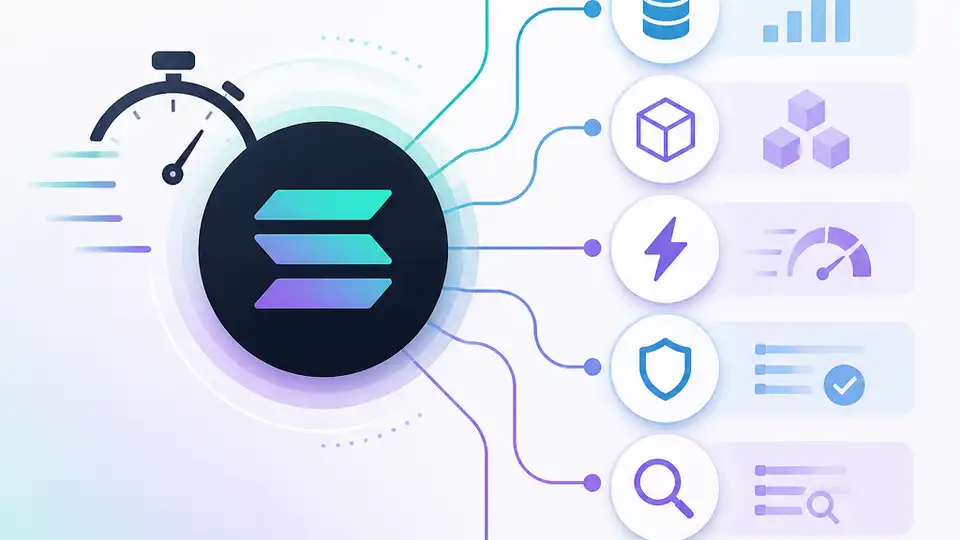
Seven Solana APIs cover wallet data, swaps, NFTs, and AI agent workflows.
Solana block times sit near 400 milliseconds, so the right API can save weeks of integration work.
| Item | Best for | Core strength |
|---|---|---|
| CoinStats Solana API | Wallet, DeFi, portfolio apps | One REST API plus MCP Server |
| Hello Moon | Real-time analytics | Event streaming and labeled wallets |
| Jupiter | Swap execution | DEX routing and quotes |
| Birdeye | Token market data | Prices, OHLCV, DEX activity |
| Shyft | NFTs and indexing | GraphQL and transaction parsing |
1. CoinStats Solana API
Get the latest AI news in your inbox
Weekly picks of model releases, tools, and deep dives — no spam, unsubscribe anytime.
No spam. Unsubscribe at any time.
CoinStats is the best all-around pick when you need wallet balances, DeFi positions, prices, and transaction history in one place. It is also the only option in this group that explicitly resolves per-wallet DeFi positions across thousands of protocols, which makes it a strong fit for trackers and portfolio apps.
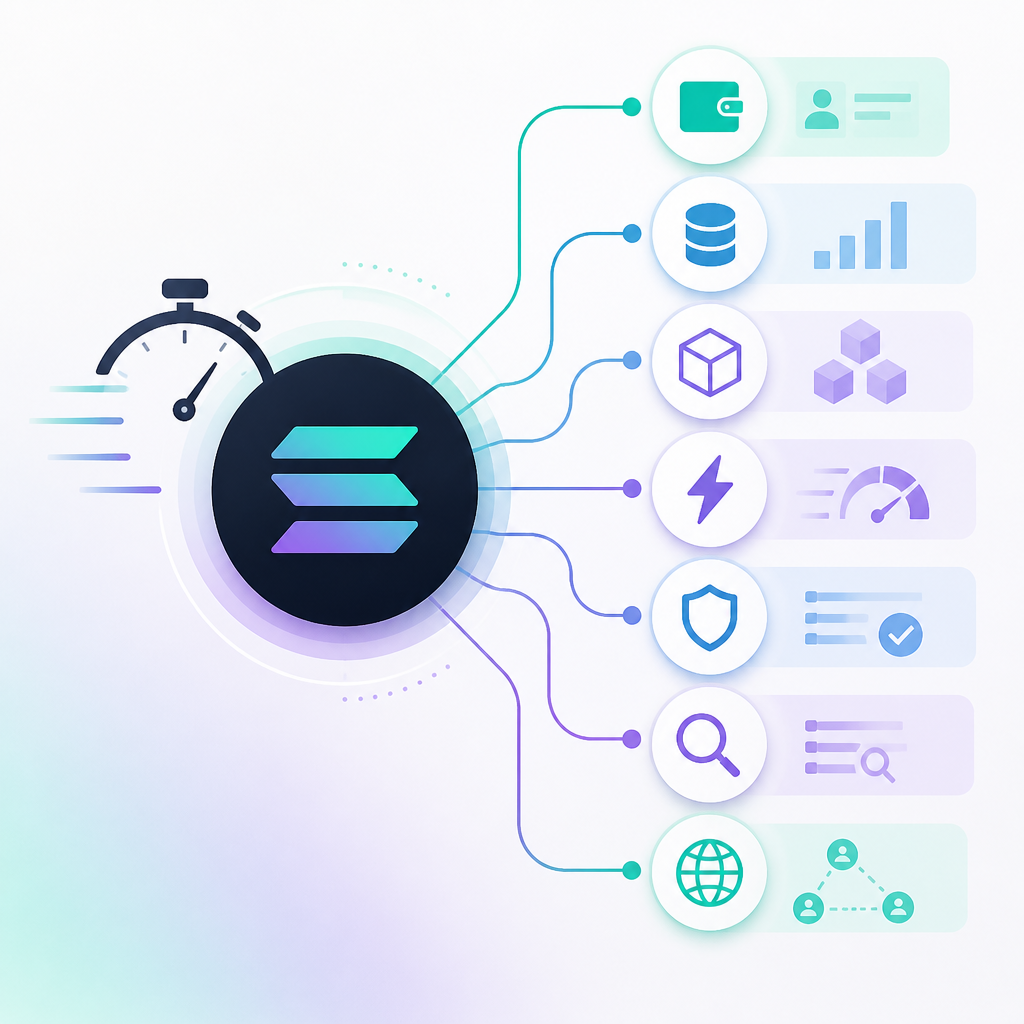
The MCP Server is the extra piece AI builders care about. It gives agents clean schemas for wallet, market, and position data, so you do not have to build a translation layer between raw JSON-RPC and an LLM. That matters if you want an agent to explain holdings, monitor risk, or trigger actions from structured on-chain data.
- Wallet balances and SPL token holdings
- Per-wallet DeFi positions across 10,000+ protocols
- Transaction history with pagination and filters
- Token prices, OHLCV, and metadata
- MCP Server for AI agents
2. Hello Moon
Hello Moon is the pick for builders who need live event streams and behavioral analytics rather than just read-only wallet data. Its Geyser plus Kafka pipeline processes millions of on-chain events daily, which makes it useful for dashboards, alerting systems, and agents that react to wallet activity fast.
It also adds wallet entity labels, wash trading detection, NFT analytics, and RPC endpoints in one platform. If your product needs to watch whales, spot influencer activity, or fire webhooks when a specific event lands, Hello Moon gives you more signal than a plain RPC endpoint.
- Real-time on-chain event streaming
- Wallet entity labels and behavior tracking
- NFT analytics with wash trading detection
- RPC endpoints and transaction landing service
- Webhooks for custom triggers
3. Jupiter
Jupiter is the swap layer for Solana. It does not try to be a wallet tracker or a market data indexer. Instead, it finds the best route across DEXs, returns a quote, and builds the transaction for execution. That makes it the cleanest choice for trading bots and AI agents that need to act, not just observe.
For builders, the appeal is simple: one integration covers routing across 30+ DEXs. The quote, swap, limit order, and DCA APIs keep the trading stack compact, while open-source SDKs reduce the amount of glue code you need to maintain.
- Quote API for live token pair pricing
- Swap API for one-call execution
- Limit orders and DCA support
- Slippage controls and route customization
- Open-source SDKs in multiple languages
4. Birdeye
Birdeye is the strongest choice when your app lives on token prices, candles, and DEX activity. It is widely used by memecoin trackers and trading dashboards because it surfaces real-time prices, OHLCV data, trader analytics, and pool activity quickly after tokens appear on-chain.
Its Solana coverage is deeper than its newer multi-chain support, so Solana-first products get the most value. If you need holder counts, supply data, security flags, and active trading signals in one feed, Birdeye keeps the market side of the app moving.
- Real-time token prices and OHLCV
- Token metadata, supply, and holder counts
- DEX trade flow and pool activity
- Trader analytics and PnL tracking
- Security signals on new listings
5. Shyft
Shyft is the better fit for NFT marketplaces, mint tools, and apps that need indexed Solana data with flexible querying. Its GraphQL API gives you account, program, NFT, and transaction access without forcing you to parse every account layout by hand.
Transaction decoding is where it saves the most time. Instead of reading dense raw responses, you get structured program calls and event data. That is especially helpful for NFT flows, where metadata, royalties, collections, mint history, and transfers often need to be pulled together from multiple sources.
- GraphQL API over indexed Solana data
- NFT metadata, collections, and transfer history
- Decoded transaction parsing
- Account and program state queries
- RPC endpoints on Mainnet and Devnet
6. Helius
Helius is a strong choice if your project wants developer infrastructure with better Solana-specific parsing than generic RPC services. It focuses on webhooks, enhanced transaction data, and account handling that reduces the amount of custom decoding your team has to write.
That makes it useful for apps that need reliable event delivery, notification systems, and backend jobs that watch on-chain activity. If your team already knows it wants infrastructure first and analytics second, Helius fits that middle ground well.
- Enhanced transaction parsing
- Webhooks for on-chain events
- Developer infrastructure for Solana apps
- Account and program data access
- Useful for notification and automation flows
7. QuickNode
QuickNode is the practical pick for teams that want fast Solana RPC with broad infrastructure support. It is not the best choice for wallet analytics or DeFi position reads, but it is a dependable way to submit transactions, query accounts, and keep latency under control.
If your app already has its own indexing layer or you only need raw chain access, QuickNode keeps things simple. It works best as the infrastructure base under a custom data stack, not as the full Solana data solution by itself.
- Low-latency RPC access
- Transaction submission and account queries
- Infrastructure-first setup
- Good fit for custom indexers
- Pairs well with separate data APIs
How to decide
If you want one API for wallet data, DeFi positions, prices, and AI agent access, start with CoinStats. If your app depends on live event streams or wallet behavior analytics, Hello Moon is the better fit. If execution is the goal, Jupiter is the clear choice.
For token market data, Birdeye is the strongest Solana-first option. For NFTs and indexed queries, Shyft is the most focused. If you only need raw infrastructure, QuickNode or Helius make more sense than a data platform.
// Related Articles
- [CHAIN]
Solana Unchained token sale nears Phase 1 close at $0.05
- [CHAIN]
June 2026 Web3 Signals Founders Should Use Now
- [CHAIN]
Bitcoin DeFi will grow, but not by copying Ethereum
- [CHAIN]
AI-blockchain projects need real utility, not token theater
- [CHAIN]
DMG’s 50 MW AI LOI is a better use of miners’ power assets
- [CHAIN]
6 crypto AI agents let you compare utility fast