Spec-Driven AI Turns MCP Into a Workflow Engine
MCP, Kiro, and Reaper show how spec-first AI can plan tasks, then execute them with fewer mistakes across creative and business work.
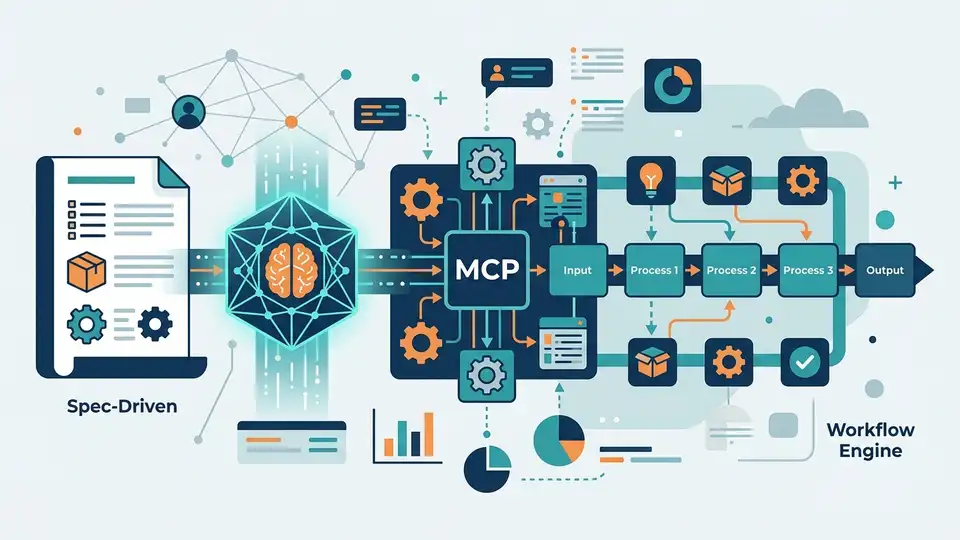
AI can draft a plan in seconds, but the real trick is getting it to follow that plan without drifting. That’s where spec-driven workflows come in: you write the spec first, review it, and only then let tools like Model Context Protocol and Kiro carry out the steps. In AgilityFeat’s music-production example, that means turning a DAW like Reaper into something an AI agent can actually operate, instead of just describing.
The idea is simple, but the implications are bigger than a studio demo. If an agent can create tracks, color-code them, set up buses, and prepare FX chains from a reviewed spec, the same pattern can apply to software delivery, CRM updates, and other workflow-heavy jobs. The value is less about flashy generation and more about reducing the amount of repetitive, error-prone clicking humans still do.
Why spec-first AI matters more than raw automation
Get the latest AI news in your inbox
Weekly picks of model releases, tools, and deep dives — no spam, unsubscribe anytime.
No spam. Unsubscribe at any time.
Most AI demos still start at the wrong place: they ask the model to act first and clean up later. Spec-driven AI flips that order. The model drafts a detailed plan, a human approves it, and only then does the agent execute against real tools through MCP. That matters because complex work breaks down when intent, context, and execution get mixed together.
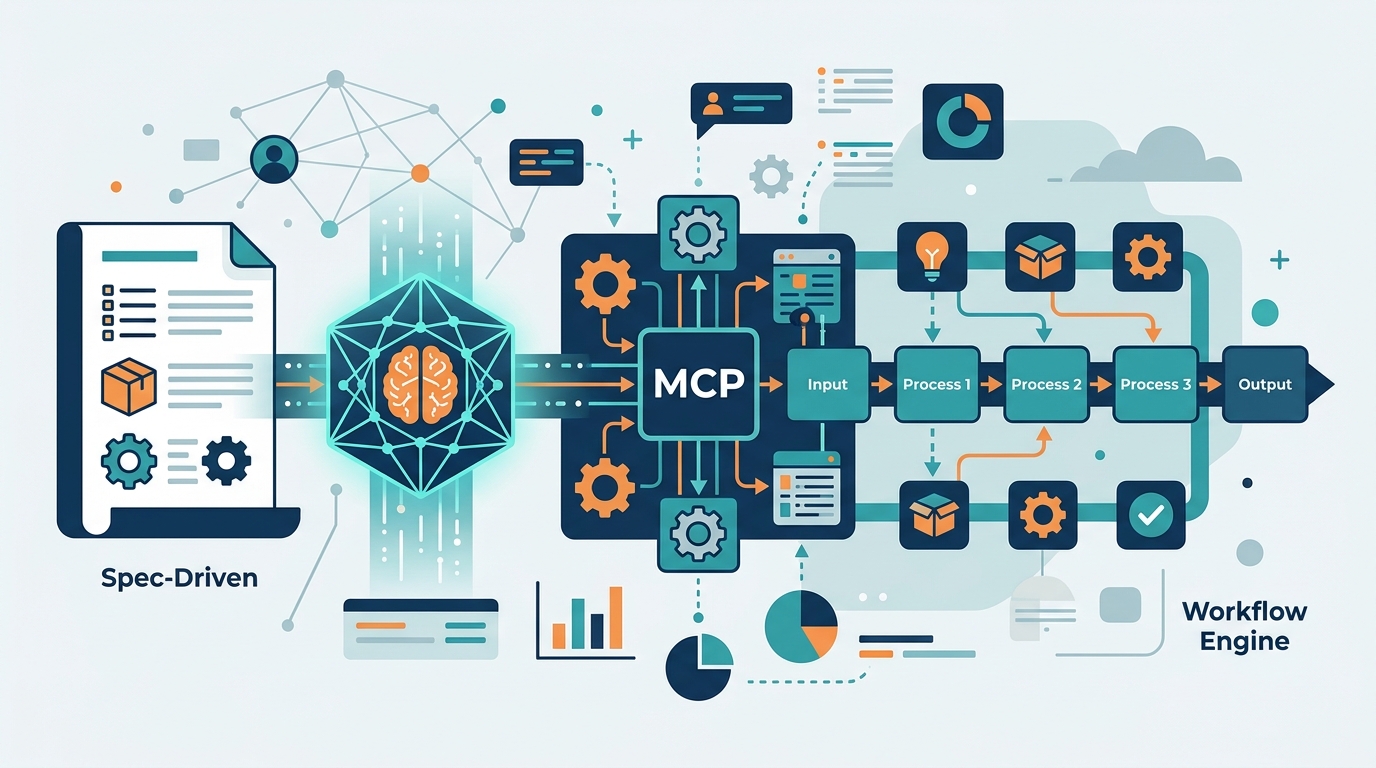
In the article’s music workflow, the human producer keeps control of the artistic choices while AI handles setup and routine edits. That split is practical, especially in creative work where nuance matters and a wrong move can waste a session. It also makes the process easier to audit, because the plan exists before the tool touches anything.
This approach is a better fit for work that has a lot of steps and a lot of room for small mistakes. Think of tasks like creating project scaffolding, standardizing file structures, or preparing repetitive production templates. Those jobs are exactly where agentic tools can save time without pretending to replace judgment.
- Spec first, execution second
- Human review before tool actions
- Better fit for repetitive, multi-step work
- Lower risk of accidental edits
MCP is the bridge between intent and action
MCP is the part that makes this feel real instead of theoretical. It gives AI a standard way to connect to external tools, read context, and perform actions. The easiest analogy is a USB-C port for agents: one protocol, many tools.
In the Reaper example, the bridge comes from a reaper-mcp server fork from Twelve Take Studios. That server exposes Reaper’s API so an AI assistant can create tracks or adjust session settings without manual menu diving. Instead of clicking through the DAW for every action, a producer can issue a text instruction and let the agent carry out the same sequence.
That pattern is bigger than audio. Any tool with an API can sit behind MCP, which is why the same bridge can work for IDEs, CRMs, internal dashboards, or trading systems. The protocol does not make the work intelligent by itself. It just makes the work accessible to an agent in a predictable way.
- Reaper for audio production
- reaper-mcp for DAW control
- MCP for standard tool access
- Any API-exposed app can follow the same pattern
Kiro turns the spec into an executable plan
Kiro, AWS’s agentic editor, is the planning layer in this setup. Its spec-driven workflow asks the model to write a clear design before it changes anything, which is exactly what you want when the tool is touching a live project. In the article’s example, Kiro uses a Reaper-specific Power to learn the vocabulary and tool actions needed for music production tasks.
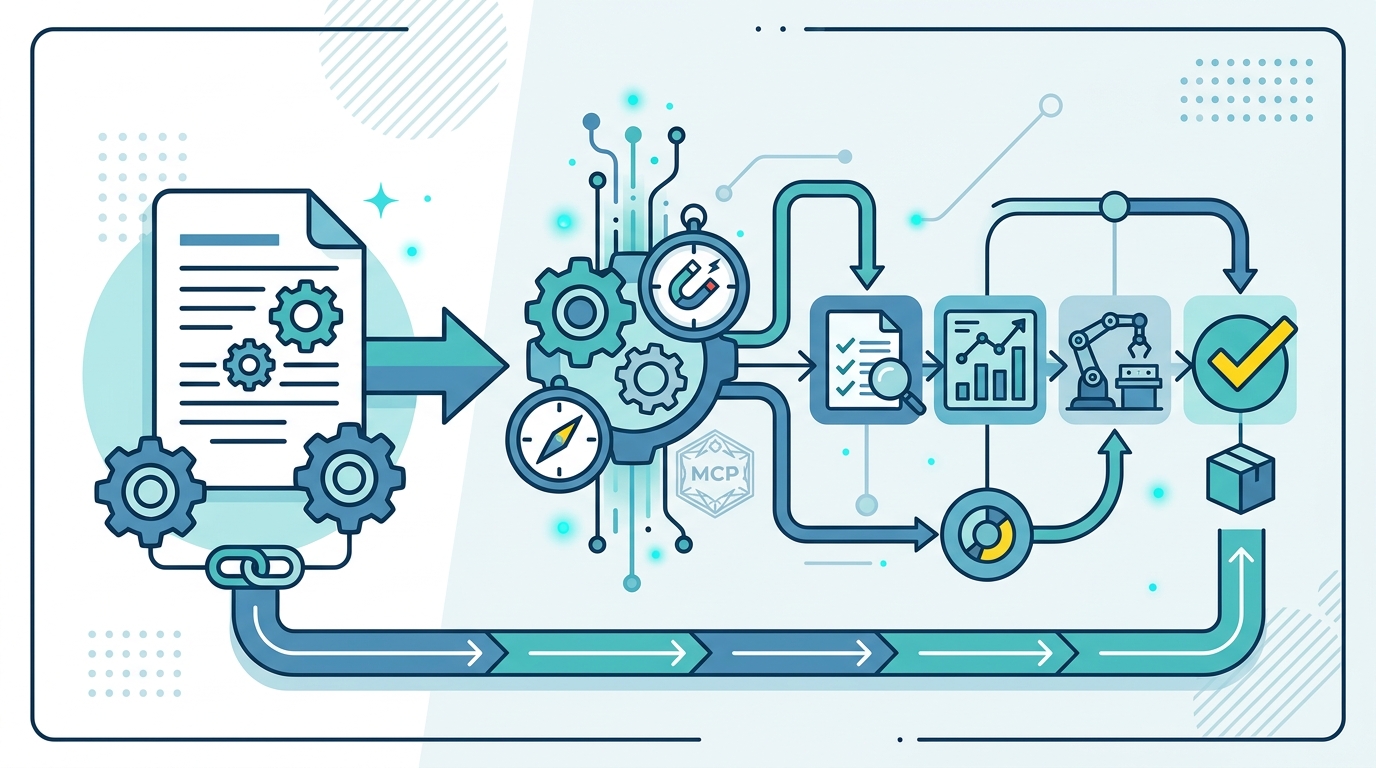
That Power concept matters because it narrows the agent’s job. Instead of asking a general-purpose model to guess what “set up the session” means, you give it domain context and a structured way to speak to the tool. The result is less improvisation and more repeatable execution.
“The map is not the territory.” — Alfred Korzybski
That line fits spec-driven AI almost too well. A spec is the map. Reaper, MCP, and Kiro are the territory. If the map is vague, the agent wanders. If the map is detailed and reviewed, the agent can move through the work with fewer surprises.
The article’s setup flow is straightforward: start Reaper, load the MCP bridge, activate the Kiro Power, then test the connection. That sequence is useful because it shows this is not magic. It is plumbing, permissions, and a disciplined handoff between planning and execution.
What the music demo says about real automation
The demo in the article gives a concrete picture of what agentic tools can do. One prompt creates tracks for drums, bass, synth pad, and synth lead. Another prompt sets up a four-bar drum section with kick and hi-hat patterns. Later, the agent can reduce track levels, color tracks, and prepare processing chains. These are tiny actions on their own, but they add up fast in a real session.
That is the part worth paying attention to. In production work, speed often comes from removing friction, not from generating more content. A producer still needs ears, taste, and a final call on arrangement. The agent just clears the busywork that blocks flow.
Compared with manual work, the gains are easy to understand:
- Track scaffolding can happen in one instruction instead of repeated clicking
- Session setup becomes consistent across projects
- Routine mix prep can be reviewed as a spec before anything changes
- Human decisions stay in the loop where judgment matters
There is also a practical lesson for software teams. The same workflow that prepares a song can prepare a deployment checklist, a support runbook, or a data-processing job. The common thread is a task that starts with intent, benefits from structure, and loses time to repetitive steps.
Where this pattern fits best
Spec-driven AI is strongest in environments where the output depends on both structure and oversight. Creative work, fintech operations, internal tooling, and software engineering all fit that description. In each case, the agent can do the mechanical part while a person keeps control of standards and outcomes.
It is weaker when the task is mostly subjective and has no clear acceptance criteria. That is why the music example is interesting: AI can help with arrangement and setup, but it should not be treated as the final author of the song. The producer still owns the sound.
That balance is probably the real takeaway from AgilityFeat’s post. The promise is not that AI will think like a human. The promise is that humans can define the work clearly enough for an agent to execute it without constant babysitting. If your team spends too much time on repetitive tool work, the next step is not asking whether AI can create more content. It is asking which tasks can be written as specs and safely handed to agents first.
My bet: the teams that win with agentic AI will not be the ones chasing the most autonomous demo. They will be the ones that build the best specs, connect the right tools, and keep humans in charge of review. If your workflow can be described step by step, it can probably be automated step by step. The question is which parts you are ready to let an agent do on day one.
// Related Articles
- [TOOLS]
500 AI agent projects show where agents work now
- [TOOLS]
Chocolatey’s Go package turns installs into policy
- [TOOLS]
Go support policy turns releases into a checklist
- [TOOLS]
RustDesk self-hosting setup for secure remote access
- [TOOLS]
Aider turns open-source coding into repo edits
- [TOOLS]
WWDC 2026 rumors turn Siri into a real assistant