Why AI agents will matter more than humans by 2035
AI agents will overtake humans in online activity, and crypto should be built for that shift.
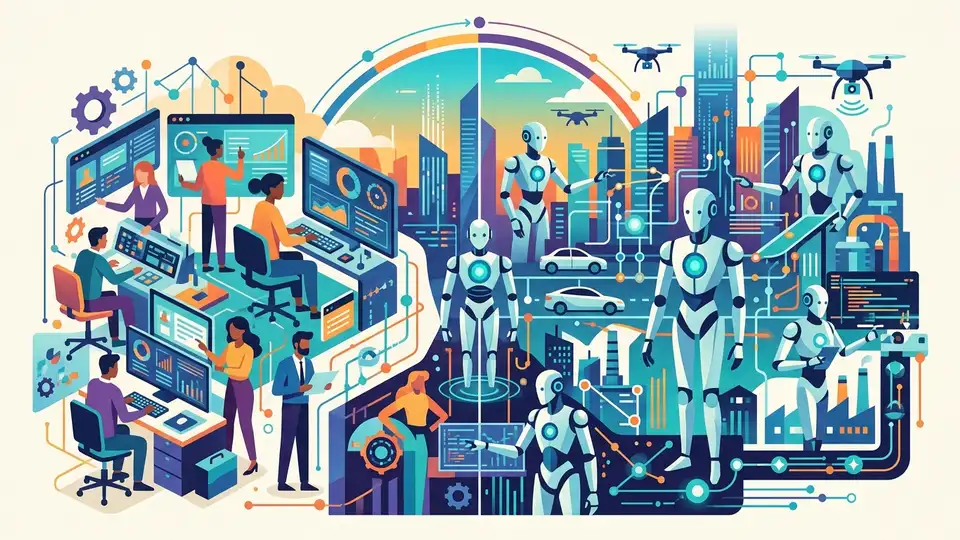
AI agents will overtake humans in online activity, and crypto should be built for that shift.
Charles Hoskinson is right: by 2035, AI agents will matter more than humans on the internet, and the companies built on human attention are the ones with the most to fear.
That is not a sci-fi forecast. Google, Amazon, and Meta still depend on people clicking ads, browsing products, and performing the tiny acts that make attention valuable. Hoskinson’s point is simple: agents do not behave like humans. They do not get nudged by banners, build brand loyalty, or waste time scrolling. They optimize for outcomes, which means they will route around the ad stack, not feed it.
AI agents break the ad economy
Get the latest AI news in your inbox
Weekly picks of model releases, tools, and deep dives — no spam, unsubscribe anytime.
No spam. Unsubscribe at any time.
The first reason this matters is that the internet’s biggest business model is built on human weakness, and agents have none of it. If a shopping agent is comparing cloud storage, it will not click the prettiest result. If a travel agent is booking a trip, it will not remember a jingle. It will compare price, latency, trust, and policy, then act. That is a direct threat to platforms whose margins depend on paid placement and behavioral targeting.
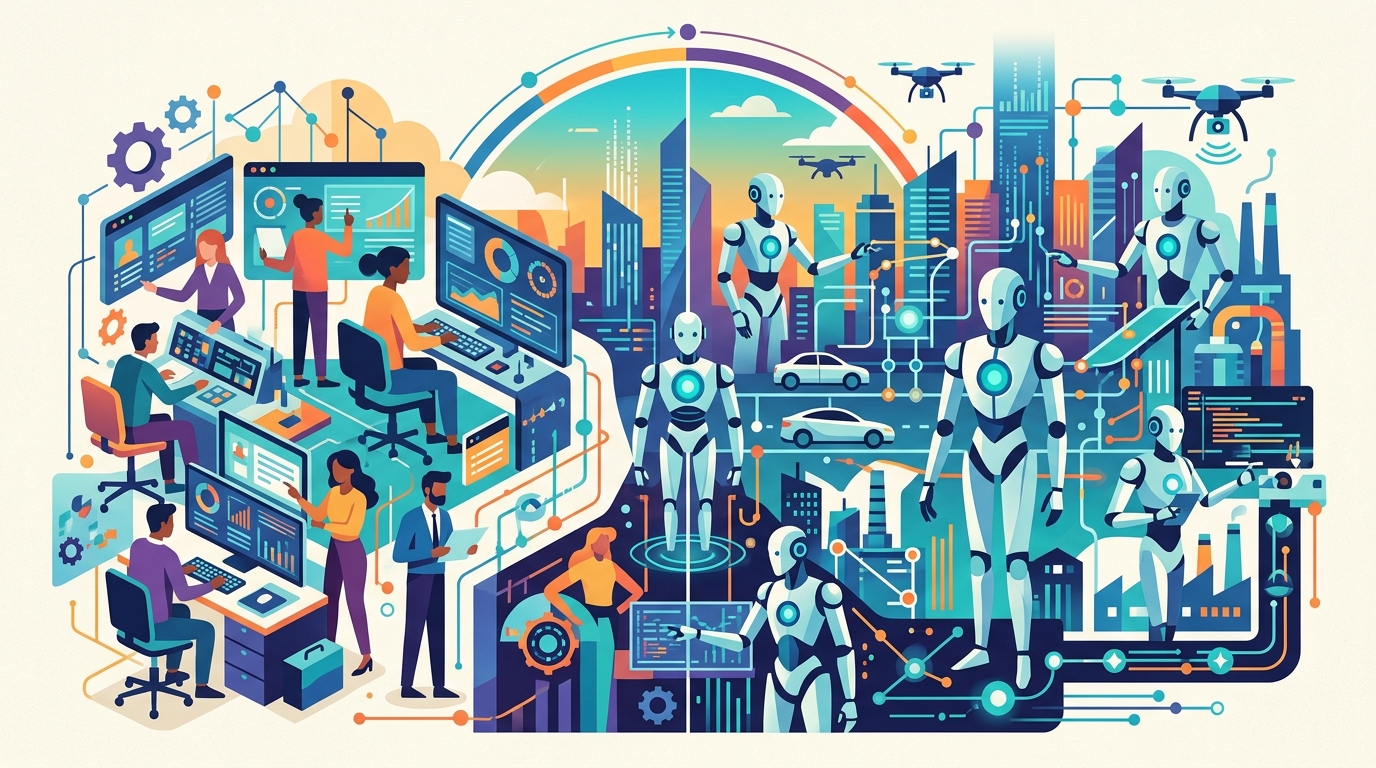
We already have a signal in the market: Google is interested in x402, the Coinbase-backed protocol for direct, programmatic payments over the internet using stablecoins and crypto rails. That interest is telling. When the most ad-dependent company on earth starts caring about agent payments, it is not because it loves crypto ideology. It is because it sees where the traffic is going. The future internet is not a page full of users. It is software buying from software.
Crypto gets simpler when software is the user
The second reason Hoskinson’s thesis lands is that crypto is much better suited to agents than to humans. Today, onboarding is a mess: seed phrases, wallet extensions, chain switching, gas fees, and endless warnings. Agents do not need any of that drama. They need permissions, policy, and settlement. Once the user is software, crypto stops being a speculative toy and becomes a coordination layer for machine commerce.
Hoskinson is also right that AI agents will take over tasks like due diligence, transaction execution, and DeFi interaction. That is already the shape of the next wave. An agent can read a contract, compare counterparties, verify wallet history, and execute a trade in seconds. It can do what humans do badly and slowly. In that world, stablecoins, smart contracts, and account abstraction are not niche features. They are the plumbing.
The counter-argument
The best case against Hoskinson is that humans still control the budgets, the brands, and the final approvals. Agents may browse, compare, and preselect, but people still sign off on purchases, govern institutions, and set policy. Ad networks will adapt, platforms will shift to machine-readable offers, and regulators will force guardrails around autonomous spending. In that reading, the ad economy does not die. It mutates.
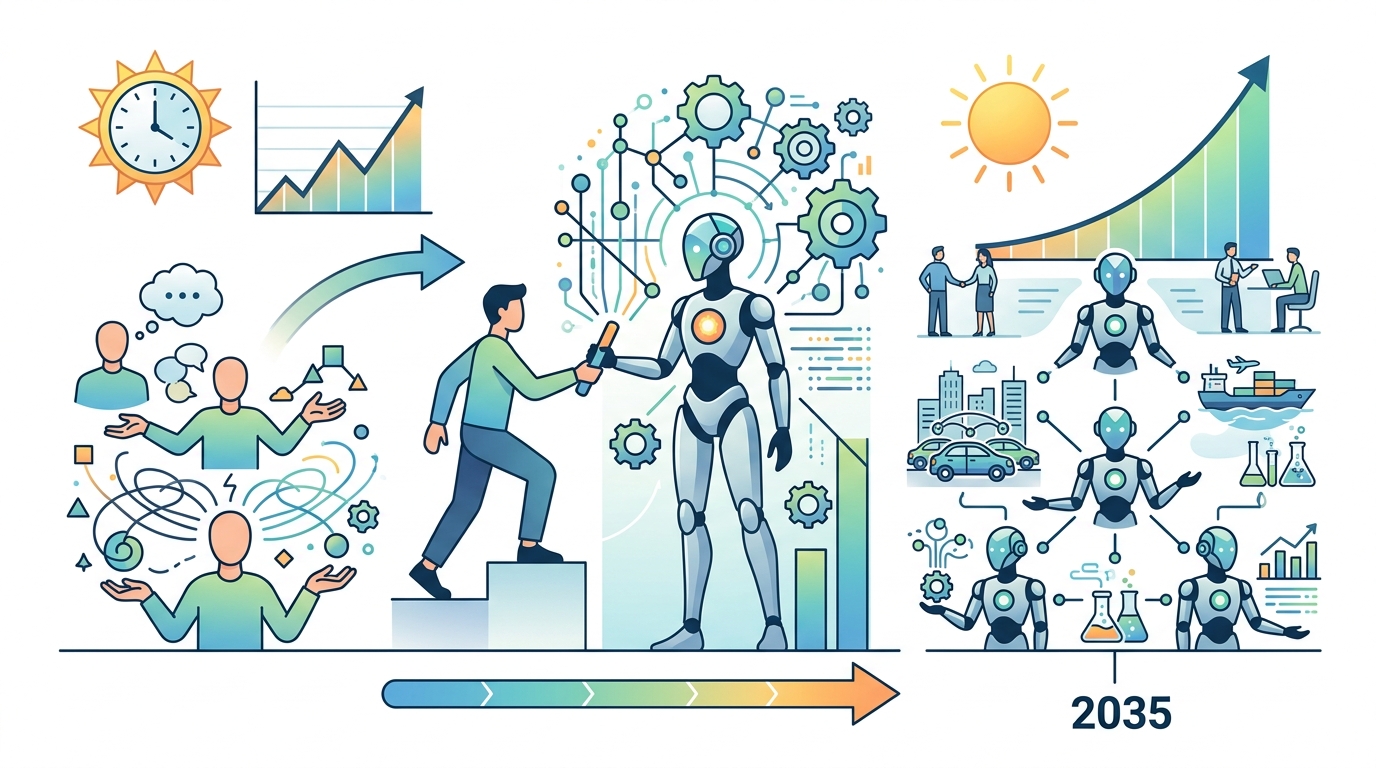
That is a real limit, but it does not save the old model. The decisive change is not whether humans disappear. It is whether humans remain the primary interface to the internet. They will not. Agents will sit between people and most digital activity, and once that happens, the platform that understands machine intent wins over the platform that optimizes for human distraction. The ad stack can adapt to agents only by becoming more like a payments and policy layer, which is exactly Hoskinson’s point.
What to do with this
If you are an engineer, build for agent-native flows: machine-readable permissions, programmable payments, policy controls, and clean identity handoffs. If you are a PM, stop treating crypto UX as a wallet problem and start treating it as an automation problem. If you are a founder, aim at the layer where agents need to transact safely across chains, vendors, and compliance systems. The winning products will not ask humans to do more. They will let software do the work while humans keep custody, intent, and control.
// Related Articles
- [IND]
Skatteetaten proves public sector AI should be judged by outcomes
- [IND]
OpenAI’s IPO filing puts AI’s biggest test on Wall Street
- [IND]
OpenAI’s latest moves now center on pricing, safety, and scale
- [IND]
RISC-V mini PCs are worth buying now, but only as a bet on the future
- [IND]
Fedora 44 RISC-V widens Linux board support
- [IND]
June 2026 agentic AI platform war centers on memory