Why Claude for Legal will reset the legal tech stack
Anthropic’s Claude for Legal will become the front door for legal AI, not just another tool.
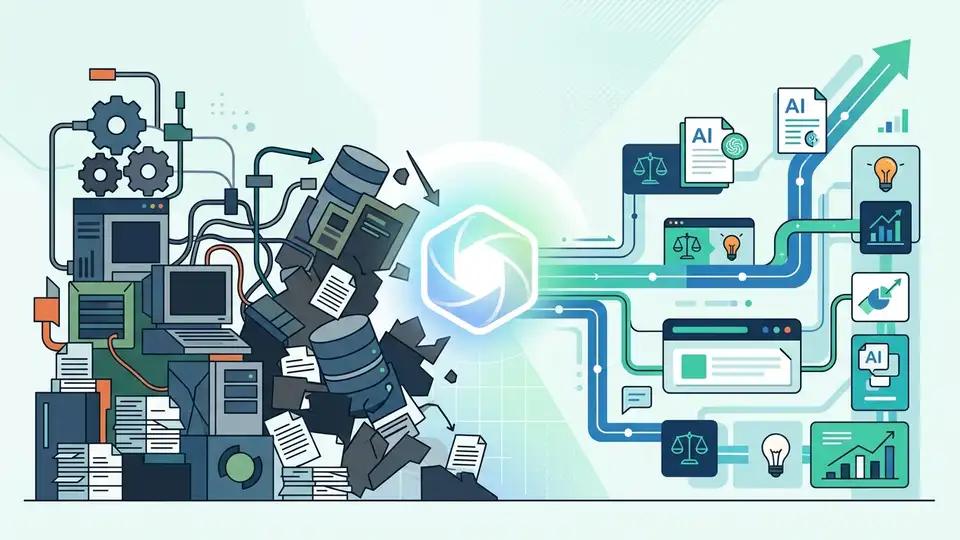
Anthropic’s Claude for Legal will become the front door for legal AI, not just another tool.
Anthropic’s Claude for Legal will reset legal tech because it moves the model maker from the back end to the center of legal work.
That is the real story here. Claude is already the default LLM inside many legal AI products, lawyers are using it directly, and major incumbents such as Thomson Reuters, LexisNexis, Harvey, and Legora are now participating in a shared ecosystem around it. When a foundational model vendor launches a legal-specific offering with plugins, connectors, and Word integration, it stops being a component and starts becoming the operating layer. In legal tech, that is a power shift.
First, Claude already sits where legal work begins
Get the latest AI news in your inbox
Weekly picks of model releases, tools, and deep dives — no spam, unsubscribe anytime.
No spam. Unsubscribe at any time.
The first reason this matters is simple: legal work starts with drafting, reading, comparing, and revising documents, and Claude is already strong at that core task. Anthropic’s own legal lead said the product exists because legal work requires deep document comprehension, from defined terms across exhibits and schedules to the structure of the document itself. That is not a nice-to-have feature. It is the baseline for legal utility.
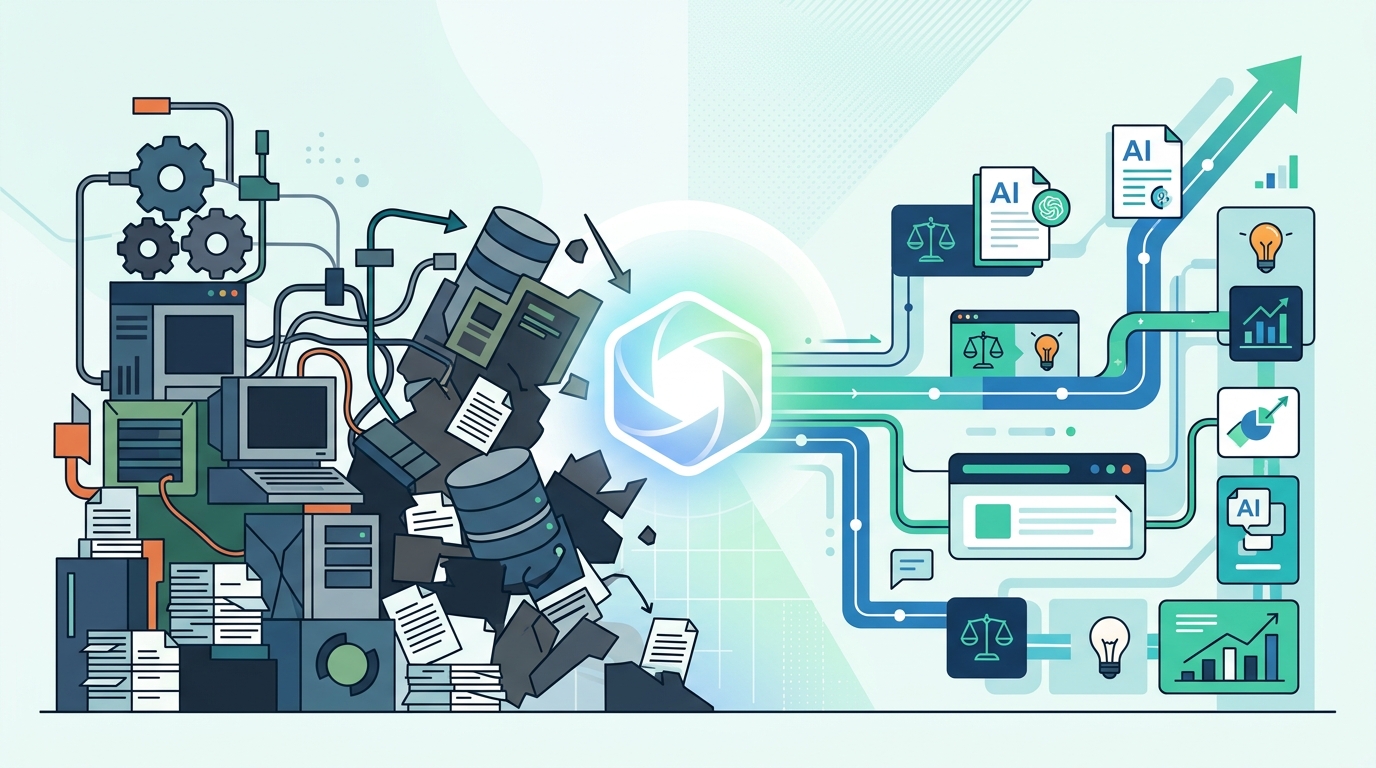
The usage data backs it up. Anthropic said legal became the number one power-user function in Claude Cowork, with more than three times the usage of any other function. That tells you legal users are not dabbling. They are already treating Claude as a primary interface for work. Once a tool becomes the place where the work starts, the rest of the stack has to justify its existence from that point forward.
Second, the ecosystem is now orbiting the model
Claude for Legal is not just a model with a nicer label. It is a distribution strategy built around plugins, MCP connectors, and partner-contributed skills that pull in the tools lawyers already use: DocuSign, iManage, NetDocuments, Box, Everlaw, LexisNexis, Thomson Reuters, and more. That means the model is no longer waiting for software vendors to expose their value. It is becoming the place where those vendors are assembled.
This is why the launch is so disruptive. Harvey’s CEO said the move validates the legal vertical and forces competitors to prove their differentiation. Thomson Reuters’ CTO pushed back on the idea of a single center, but even that response concedes the new reality: work can begin in Claude or in a professional system, then move between them. In practice, the system that owns the first draft, the first query, and the first workflow prompt owns the user relationship. That is the center of gravity.
The counter-argument
The strongest objection is that legal work cannot be reduced to a model layer. Accuracy, grounding, citations, audit trails, and defensibility matter more than fluency, and professional systems like CoCounsel Legal, Harvey, and Lexis+ still control those standards. On this view, Claude is just an upstream interface, while the real authority remains with incumbents that package proprietary data, workflow controls, and compliance features.
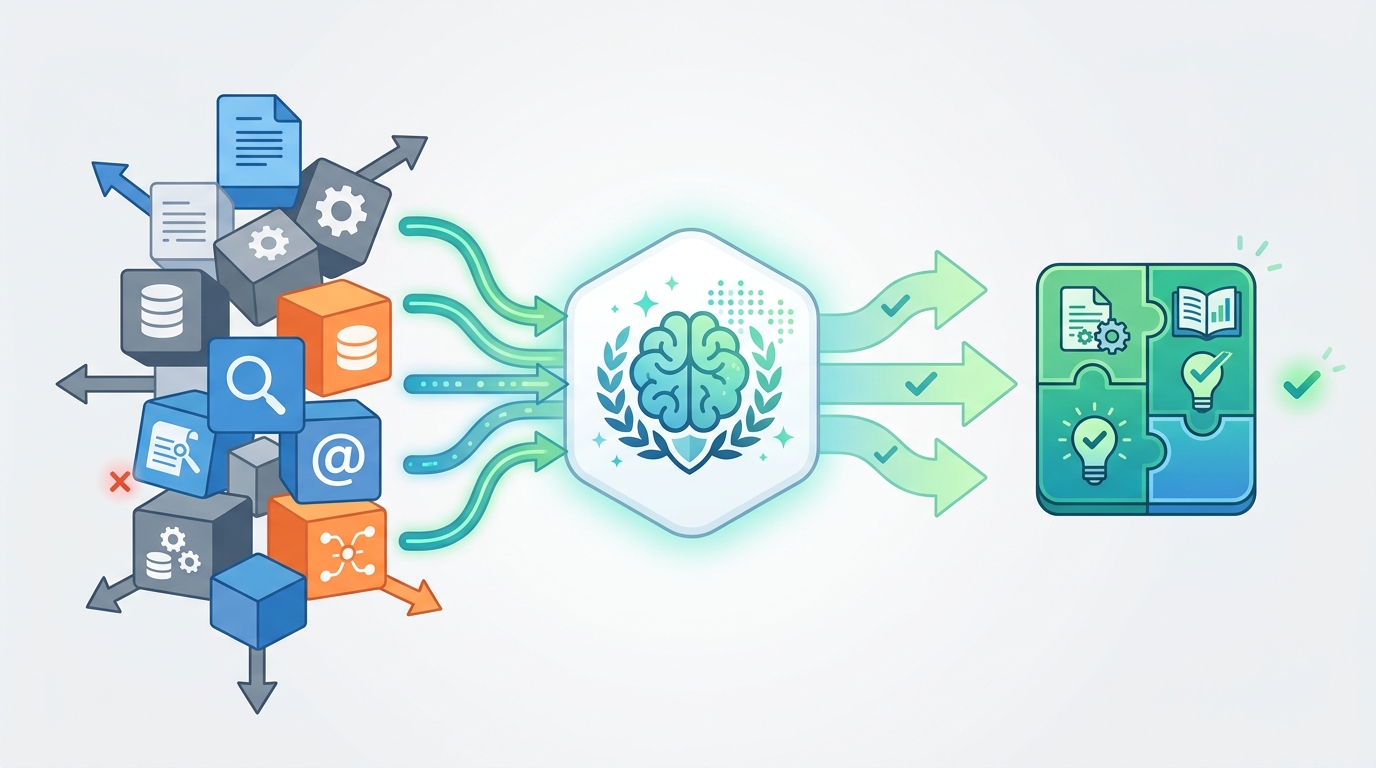
That argument is serious, and it is partly right. Legal buyers will not abandon professional systems simply because a model is popular. But it misses the strategic point. If Claude becomes the first place lawyers draft, search, summarize, and triage, then incumbents are forced into a secondary role: they become downstream validators, not the primary workspace. Anthropic is not trying to win every compliance layer on day one. It is winning the front door, and in software that is often enough to redefine the market.
What to do with this
If you are an engineer, PM, or founder in legal tech, stop building as if the model is invisible. Design for Claude as the default user entry point, then make your product indispensable through provenance, workflow control, and hard-to-replicate domain data. If your product only wraps generic drafting, summarization, or retrieval, Claude for Legal will compress your margin fast. The winners will be the teams that treat the model as infrastructure and build the trust, governance, and system-of-record layer around it.
// Related Articles
- [IND]
Skatteetaten proves public sector AI should be judged by outcomes
- [IND]
OpenAI’s IPO filing puts AI’s biggest test on Wall Street
- [IND]
OpenAI’s latest moves now center on pricing, safety, and scale
- [IND]
RISC-V mini PCs are worth buying now, but only as a bet on the future
- [IND]
Fedora 44 RISC-V widens Linux board support
- [IND]
June 2026 agentic AI platform war centers on memory