Why Devin AI is overrated as a software engineer
Devin AI is impressive, but it is not the autonomous software engineer its launch implied.

Devin AI is impressive, but it is not the autonomous software engineer its launch implied.
Devin AI is a useful coding assistant, not a replacement for software engineers, and treating it like one distorts what it actually does well.
First argument: the demo is real, but the claim is bigger than the product
Get the latest AI news in your inbox
Weekly picks of model releases, tools, and deep dives — no spam, unsubscribe anytime.
No spam. Unsubscribe at any time.
Bloomberg reported that Devin could build a website in about ten minutes and recreate a Pong clone in a similar timeframe. That is a strong demo, but it proves speed on bounded tasks, not general software autonomy. A polished website and a toy game are narrow wins in a controlled lane, not evidence that the system can own a messy product surface, maintain a codebase, or make tradeoffs across architecture, security, and user needs.
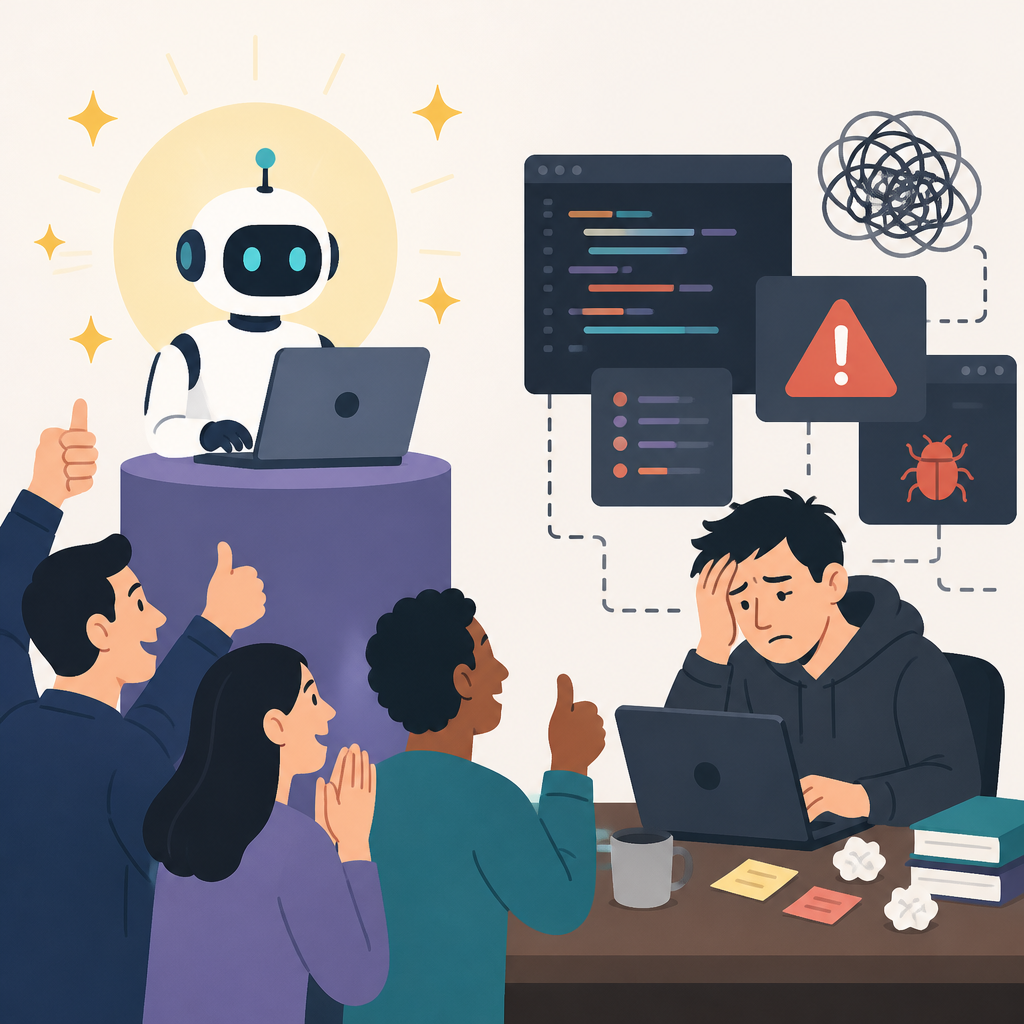
The wording matters because the launch framed Devin as an autonomous software engineer. Engineers do far more than generate code: they negotiate requirements, debug ambiguous failures, review risk, and decide what not to build. A tool that can produce code from a prompt is valuable, but that is still a tool. The moment a task becomes open-ended, the human work shifts from typing to directing, validating, and rescuing the output.
Second argument: the market response shows demand for leverage, not replacement
After Devin's debut, Cognition Labs drew intense attention and the broader market responded with alternatives like OpenHands, Devika, and Genie. That pattern says something important: the industry is racing to distribute the gains of agentic coding across more teams, not to declare engineers obsolete. When open-source clones appear almost immediately, the signal is not that the category has solved software engineering. The signal is that people want cheaper, more flexible leverage.
There is also a practical reason the ecosystem moved so fast. Teams do not buy a coding agent because they want a machine to replace judgment. They buy it because they want faster scaffolding, quicker debugging, and less time spent on repetitive work. That is why the most credible value proposition is augmentation. The best software teams will use these systems to compress routine tasks and free engineers for design, product thinking, and the hard parts of integration.
The counter-argument
Supporters of Devin have a real case. The tool can search online resources, adjust to user prompts mid-task, and handle tasks that look surprisingly close to end-to-end work. Some observers, including industry executives, praised it as crossing a threshold for agent capability. If a system can take a natural-language goal and produce a working artifact with little hand-holding, the argument goes, then it is already doing a meaningful slice of engineering labor.
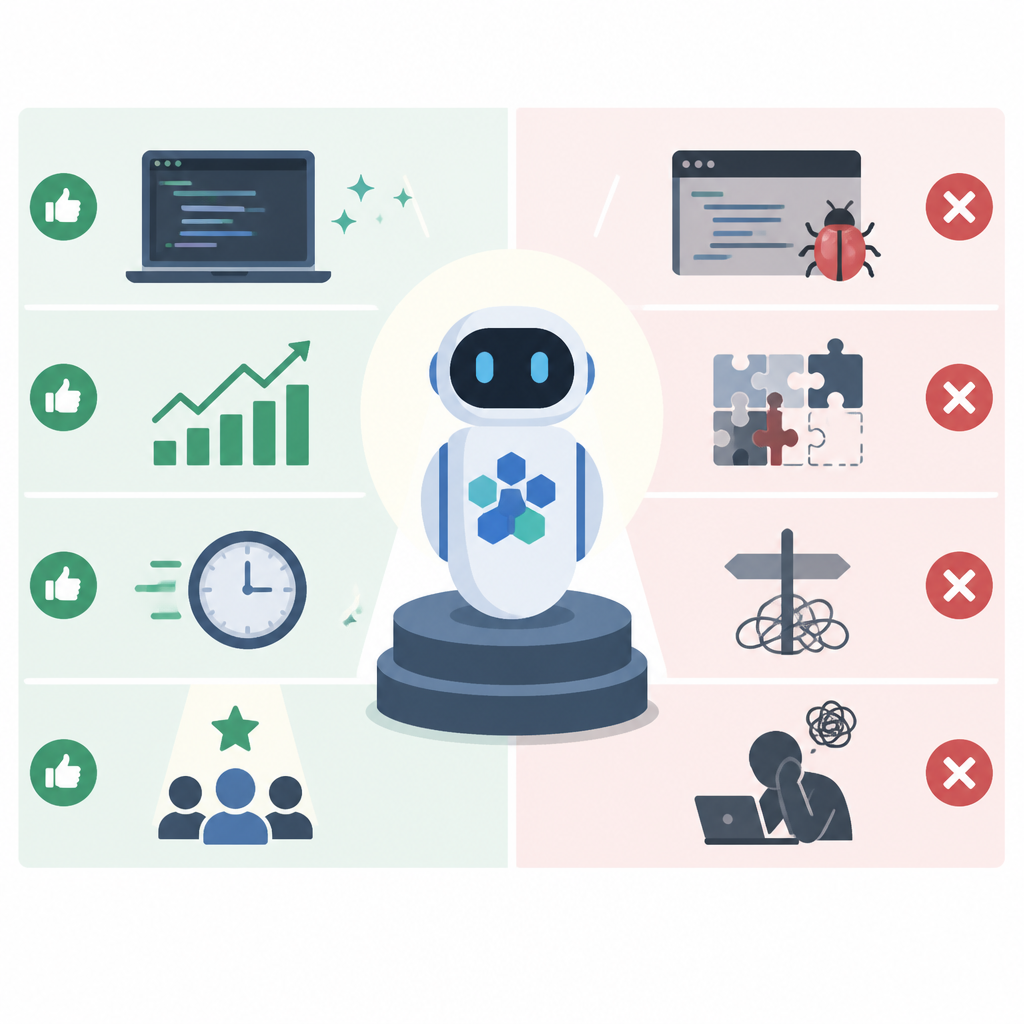
That argument is strongest when the work is standardized, observable, and easy to verify. It is weakest when the work is coupled to product judgment, hidden dependencies, or stakes that punish confident mistakes. The criticism around promotional videos matters here: reviewers said Devin wandered into irrelevant code and failed to satisfy the actual request. That is not a minor blemish. It is exactly the failure mode that separates a flashy demo from a dependable engineering system.
So the counter-argument does not win, though it does set a limit I accept: Devin can automate some software tasks well enough to reduce headcount pressure at the margins. What it cannot do is dissolve the need for engineers who understand context, constraints, and accountability. Until an agent can consistently own the full loop from ambiguous request to correct, maintainable, production-safe delivery, it remains a powerful assistant, not a software engineer.
What to do with this
If you are an engineer, use Devin-class tools to clear away boilerplate, accelerate prototypes, and surface options faster, but keep ownership of architecture, review, and final judgment. If you are a PM or founder, measure these systems by cycle-time reduction and quality gains, not by replacement fantasies. The winning team is the one that uses agentic coding to raise the bar for human work, not erase it.
// Related Articles
- [AGENT]
Claude Code 动态工作流:AI 自写 Harness
- [AGENT]
Agent orchestration is the missing layer for enterprise AI
- [AGENT]
AI agents use blockchain as a trust layer
- [AGENT]
8 RAG patterns that turn demos into prod
- [AGENT]
Fine-tuning beats RAG when the goal is style, not facts
- [AGENT]
OpenClaw shows how small businesses use AI staff