Why DTCC’s Stellar move matters for tokenized markets
DTCC’s planned Stellar integration is a real step toward regulated tokenized markets on public rails.
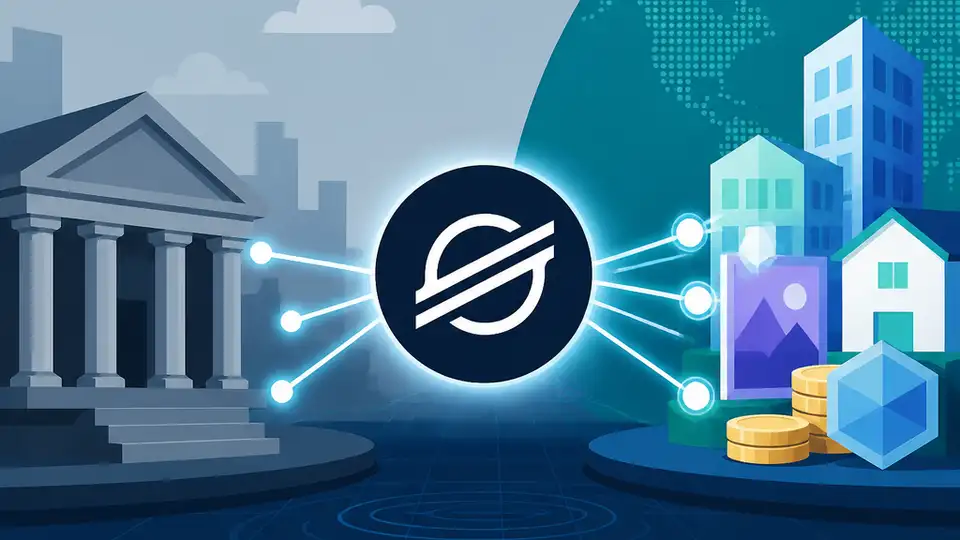
DTCC plans to bring tokenized custodial assets onto Stellar in 2027.
DTCC’s planned connection to Stellar matters because it takes tokenization out of the sandbox and into the plumbing of regulated finance.
The details are not vague marketing copy. DTCC and the Stellar Development Foundation say they plan to enable tokenization of DTC-custodied assets on Stellar, with availability expected in the first half of 2027. The service sits on top of a 2025 SEC no-action letter that authorized DTC to operate a tokenization service for real-world, DTC-custodied assets. That combination, regulatory permission plus market infrastructure, is the difference between an interesting demo and a system that can actually touch post-trade operations at scale.
First, this is a credibility event, not just a technology announcement
Get the latest AI news in your inbox
Weekly picks of model releases, tools, and deep dives — no spam, unsubscribe anytime.
No spam. Unsubscribe at any time.
Tokenization has spent years trapped in pilot purgatory. Plenty of chains can mint a digital representation of an asset. Far fewer can survive contact with compliance, custody, entitlements, and reporting. DTCC is not a fringe participant. It is the backbone of U.S. post-trade infrastructure, and its willingness to connect a tokenization service to a public blockchain sends a strong signal to banks, brokers, and asset managers that public networks are no longer off-limits by default.
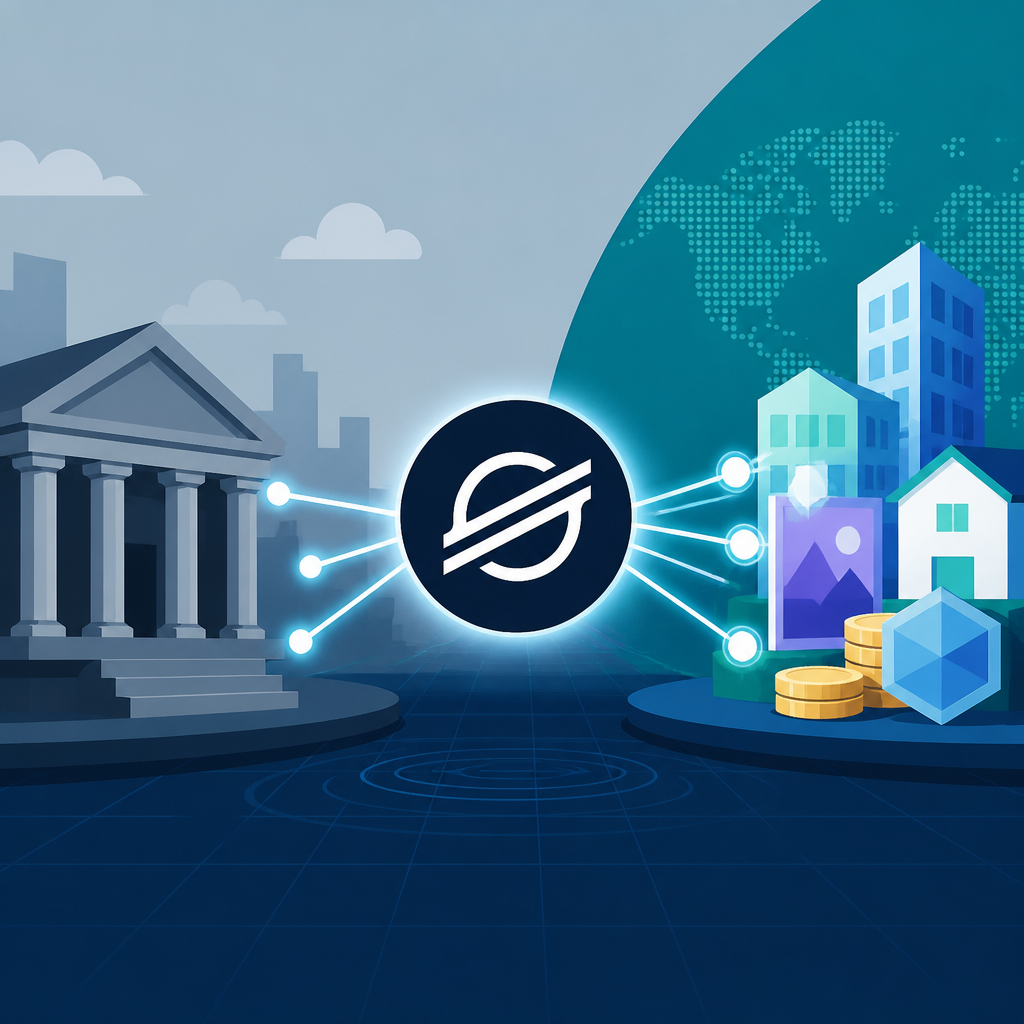
The network choice matters too. Stellar is not being framed here as a speculative smart-contract venue. DTCC explicitly points to three properties: compliance-minded architecture, open infrastructure, and risk management capabilities. That is the right test. Institutions do not buy “decentralization” as a slogan. They buy controls, throughput, and operational predictability. If a system can support asset-level controls and still operate on a public network, then the old false choice between public and regulated starts to break down.
Second, the use cases are practical, not theoretical
The most important promise in the announcement is not novelty. It is compression of time and friction. DTCC says eligible transfers could move from days to minutes, with lower cost and risk from fewer intermediated steps and less reconciliation overhead. That is not a niche benefit. In capital markets, settlement delay creates counterparty exposure, operational cost, and capital inefficiency. A system that shortens the settlement path while preserving investor protections is a direct attack on the most expensive parts of market plumbing.
The asset classes under evaluation make the point even clearer. DTCC and SDF are looking at highly liquid instruments such as Russell 1000 constituents, ETF exposures, and U.S. Treasury bills, bonds, and notes. These are not exotic collectibles that need a new narrative to find users. They are core market instruments with enormous daily activity. If tokenization can work for these assets, it proves relevance where the economic stakes are highest. That is how infrastructure changes happen: first with familiar assets, then with broader adoption.
Third, public infrastructure is the smarter long-term bet
A public blockchain is not a liability when the network is built for institutional use. It is a distribution advantage. Public rails are easier to integrate across venues, easier to standardize across participants, and less likely to trap the market inside a single vendor’s closed stack. Stellar’s pitch is that it can support regulated workflows without forcing institutions into a private chain that only a handful of counterparties can reach. That matters because tokenized assets are only useful if they can move across a broad ecosystem.
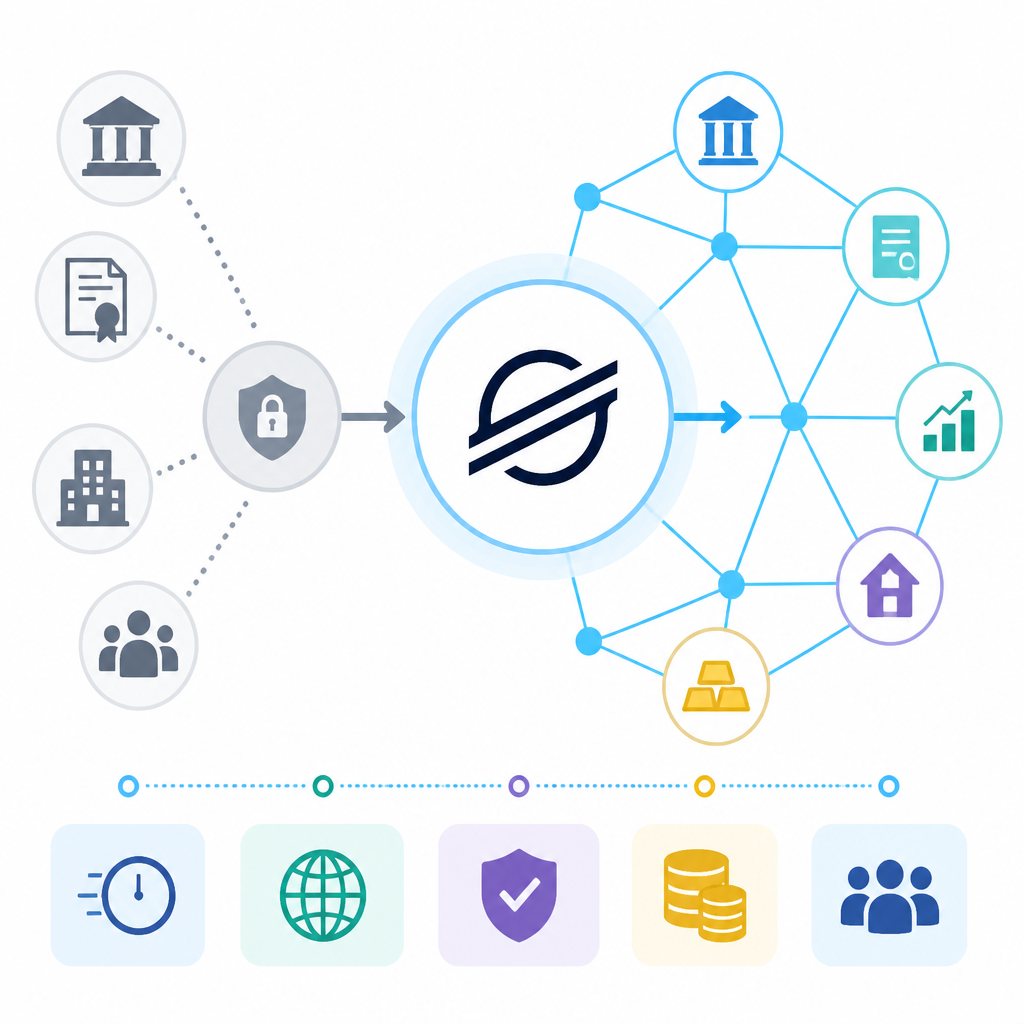
There is also a strategic reason to prefer open infrastructure. Markets do not need another walled garden that starts with one consortium and ends with interoperability theater. They need a shared settlement layer that can connect custody, trading, and corporate actions without rebuilding every workflow from scratch. Stellar’s low-cost operations and transaction throughput fit that brief. If the goal is to make tokenized assets usable in real finance, then open infrastructure is not a philosophical preference. It is a practical requirement.
The counter-argument
The strongest objection is that this remains a long-dated promise with uncertain scope. The rollout is expected in the first half of 2027, not tomorrow. The announcement also says asset classes are still under evaluation and subject to DTC’s regulatory obligations. That means the real market impact depends on future implementation choices, not just today’s press release. Skeptics are right to note that finance has a habit of turning bold infrastructure plans into slow, narrow, heavily governed deployments.
There is also a fair concern that public blockchain infrastructure can introduce governance, privacy, and operational questions that institutions dislike. Even if asset-level controls exist, market participants still need confidence in access controls, reporting, and failure handling. A public network does not magically remove those requirements. It only changes where they have to be enforced.
That said, the counter-argument misses the point of why this announcement matters. The goal is not to claim that tokenized markets are finished. It is to show that the largest market infrastructure players are now willing to build inside a public blockchain framework rather than around it. The timeline is long because regulated finance is slow by design. That is a feature, not a bug. If anything, the delay strengthens the case: DTCC is not chasing hype, it is aligning tokenization with the controls that make markets trustworthy.
What to do with this
If you are an engineer, build for interoperability, not novelty. If you are a PM or founder, stop pitching tokenization as a standalone product and start positioning it as market infrastructure that must satisfy custody, reporting, and settlement requirements. The lesson from DTCC and Stellar is simple: the winners in tokenized finance will be the teams that treat public blockchain as regulated rails, not as a shortcut around regulation.
// Related Articles
- [IND]
OpenAI’s IPO filing turns hype into scrutiny
- [IND]
Skatteetaten proves public sector AI should be judged by outcomes
- [IND]
OpenAI’s IPO filing puts AI’s biggest test on Wall Street
- [IND]
OpenAI’s latest moves now center on pricing, safety, and scale
- [IND]
RISC-V mini PCs are worth buying now, but only as a bet on the future
- [IND]
Fedora 44 RISC-V widens Linux board support