Why GoLand is more than just a Go IDE
GoLand is not just a Go editor; it is the right default for serious Go development.
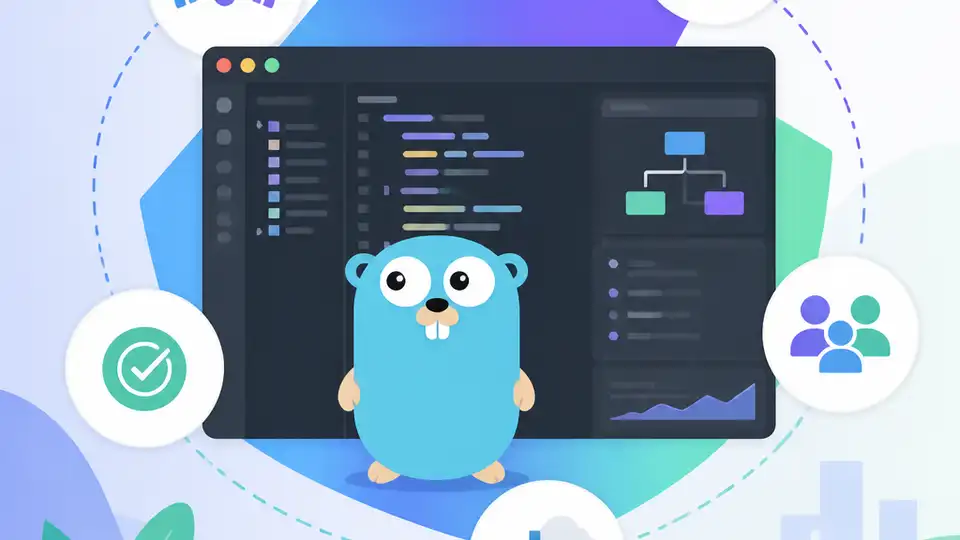
GoLand is the best default IDE for serious Go development.
GoLand is not just a polished editor with Go syntax highlighting. It is the right default for teams that need to understand real Go systems, because it handles the parts that make Go hard in practice: goroutines, interfaces, refactoring across packages, and debugging code that only fails under load.
Go code is simple until the codebase gets real
Get the latest AI news in your inbox
Weekly picks of model releases, tools, and deep dives — no spam, unsubscribe anytime.
No spam. Unsubscribe at any time.
The first reason GoLand matters is that it treats Go as a systems language, not a toy language. In a small service, almost any editor works. In a production repository with dozens of packages, background workers, and interface-heavy abstractions, the cost of weak tooling shows up fast. GoLand’s value is that it helps you trace symbols, jump through implementations, and keep a mental model of a large codebase without losing time to manual grep-and-pray work.
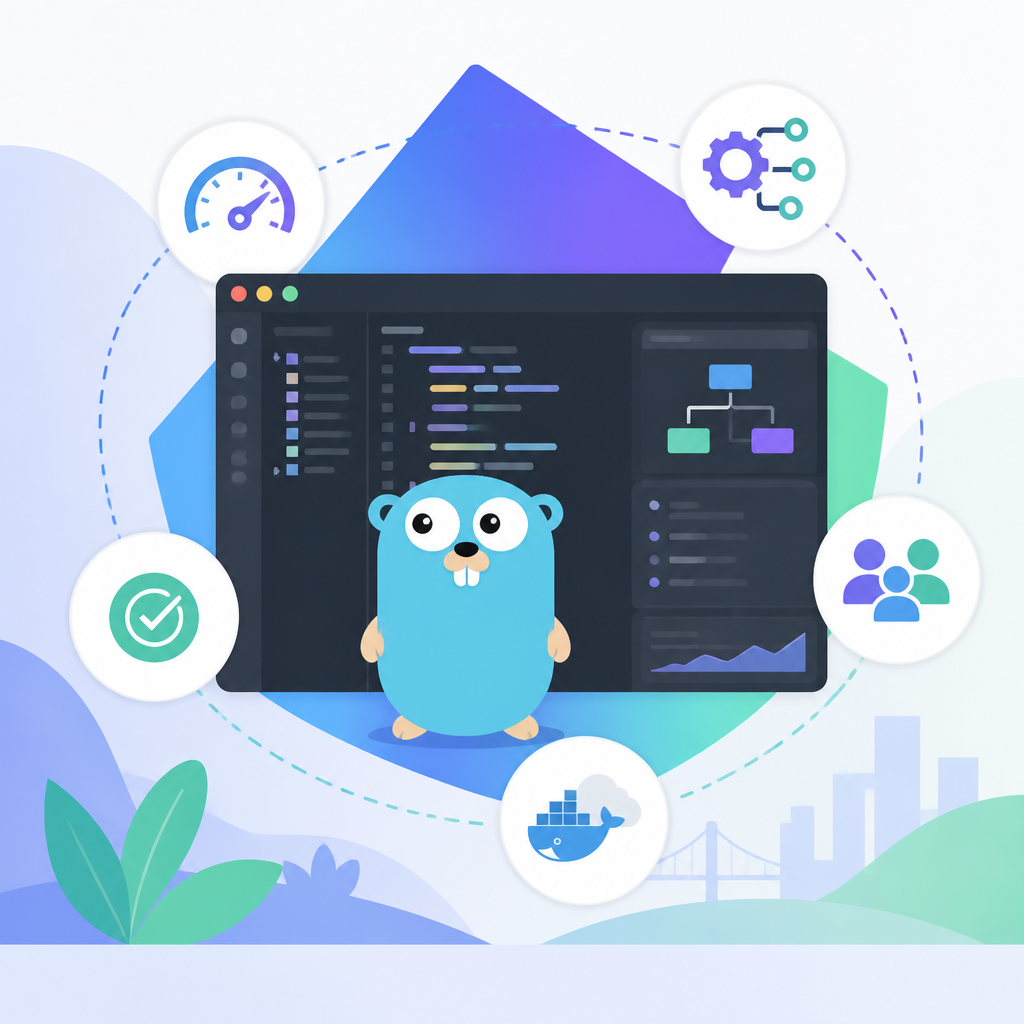
A concrete example is debugging concurrency. Go programs often hide their complexity in goroutines, channels, and timing issues that do not appear in a straight-line read of the source. An IDE that understands Go’s runtime behavior and lets you inspect execution in context is not a luxury. It is a productivity floor for teams shipping services where race conditions and deadlocks matter more than pretty code folding.
Refactoring is where IDEs earn their keep
The second reason is that GoLand protects code quality when the codebase changes. Go teams live on refactors: renaming packages, extracting interfaces, moving methods, and tightening boundaries as a service grows. If your tooling cannot update references safely, every change becomes a gamble, and teams stop improving the design because the risk feels too high.
JetBrains built GoLand around that reality. The IDE is designed to navigate, refactor, and debug even large codebases with confidence, which is exactly what teams need when they are past the prototype stage. A developer can move faster when the tool can rewrite the boring parts correctly and surface the edge cases before they become production bugs.
Specialized tooling beats generic flexibility
The third reason is that a dedicated Go IDE beats a general-purpose editor for most professional teams. Editors like VS Code are flexible, but flexibility is not the same as depth. When a language has strong conventions and a mature ecosystem, the best tool is the one that encodes those conventions directly into the workflow instead of asking every team to assemble the same setup from extensions.
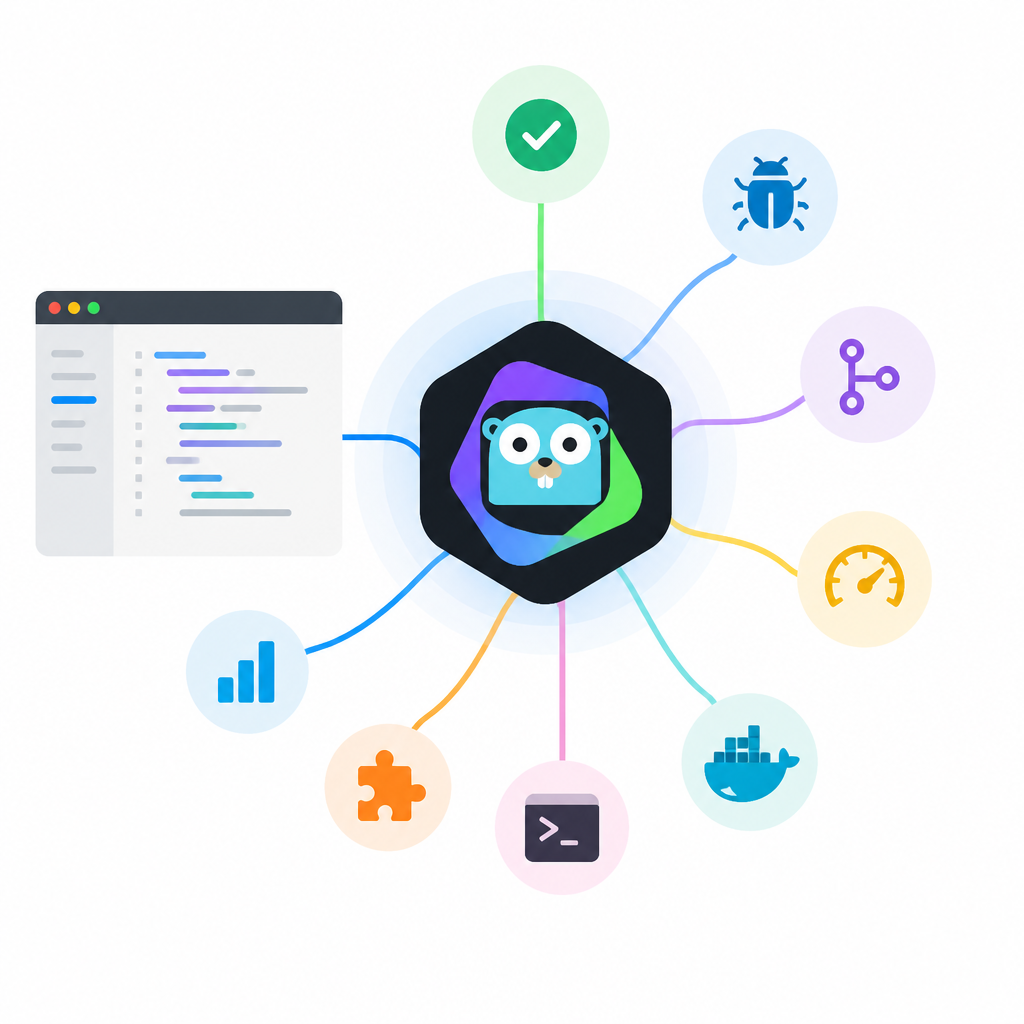
That matters because Go teams do not just need autocomplete. They need inspection, test navigation, package awareness, and debugging that work the same way for every engineer on the team. Standardization is the hidden benefit here. When everyone uses a tool that knows Go well, onboarding gets easier, reviews get cleaner, and the team spends less time arguing about editor configuration and more time shipping code.
The counter-argument
The strongest case against GoLand is cost and simplicity. Go’s appeal has always included a lean toolchain, and many engineers prefer a lightweight editor plus command-line tools. That setup is cheaper, faster to start, and easier to carry across languages. For solo developers or small teams, a full IDE can feel like more machinery than necessary.
There is also a cultural argument: Go’s ecosystem prizes portability and minimalism, so a heavyweight IDE can look like a mismatch with the language’s ethos. If a team already has a disciplined workflow and small, well-factored services, the incremental gain from a specialized IDE is smaller than the gain from the language itself.
That critique is valid, but it misses where the real cost sits. The expense is not the license fee or the extra UI. The expense is developer time lost to weak code intelligence, fragile refactors, and slow debugging in a growing production system. Once a Go codebase becomes large enough to have real concurrency, layered packages, and multiple owners, a generic setup stops being efficient. GoLand pays for itself by reducing the friction that slows experienced teams down.
What to do with this
If you are an engineer, use GoLand when your work involves a serious Go service rather than a throwaway script. If you are a PM or founder, standardize on it when your team’s velocity depends on safe refactors, faster debugging, and lower onboarding cost. The rule is simple: if the codebase is growing and the bugs are getting more expensive, stop treating the IDE as a preference and start treating it as infrastructure.
// Related Articles
- [TOOLS]
Magenta RealTime 2 lets you score in the DAW
- [TOOLS]
Open-source AI tools beat Claude’s paid tiers on value
- [TOOLS]
500 AI agent projects show where agents work now
- [TOOLS]
Chocolatey’s Go package turns installs into policy
- [TOOLS]
Go support policy turns releases into a checklist
- [TOOLS]
RustDesk self-hosting setup for secure remote access