Why Grok Build is not ready to replace Claude Code
Grok Build is a credible new coding tool, but it is not ready to replace Claude Code or Codex.
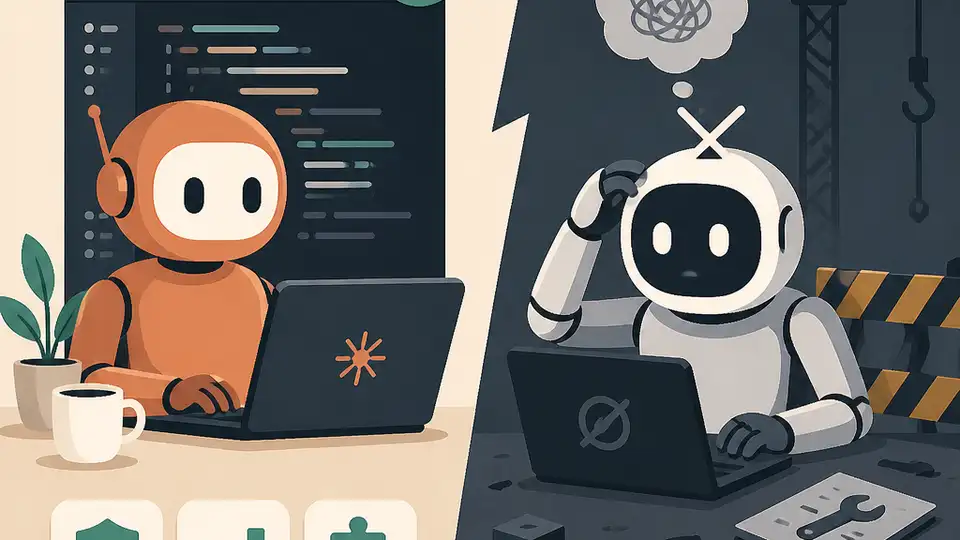
Grok Build is a new coding tool, but it still trails Claude Code and Codex.
Grok Build has entered the coding assistant race, but it does not belong in the top tier yet. The clearest signal is simple: after a day of use, the reported experience still ranked it behind Claude Code and Codex on core coding ability. That matters because coding assistants are not judged by branding, launch velocity, or social media heat. They are judged by how reliably they turn intent into correct code, how well they handle multi-step changes, and how often they force a human to clean up the mess. On those basics, Grok Build is already useful, but it is not the tool I would bet a serious engineering workflow on.
First, coding assistants are only as good as their failure rate
Get the latest AI news in your inbox
Weekly picks of model releases, tools, and deep dives — no spam, unsubscribe anytime.
No spam. Unsubscribe at any time.
The fastest way to separate a real coding tool from a flashy demo is to watch how it behaves when the task stops being obvious. Simple autocomplete is cheap. What matters is whether the assistant can carry a change across files, preserve intent, and avoid introducing subtle regressions. If a tool is strong on surface-level generation but weak on consistency, it creates a hidden tax: the engineer spends time verifying, fixing, and re-explaining instead of shipping.
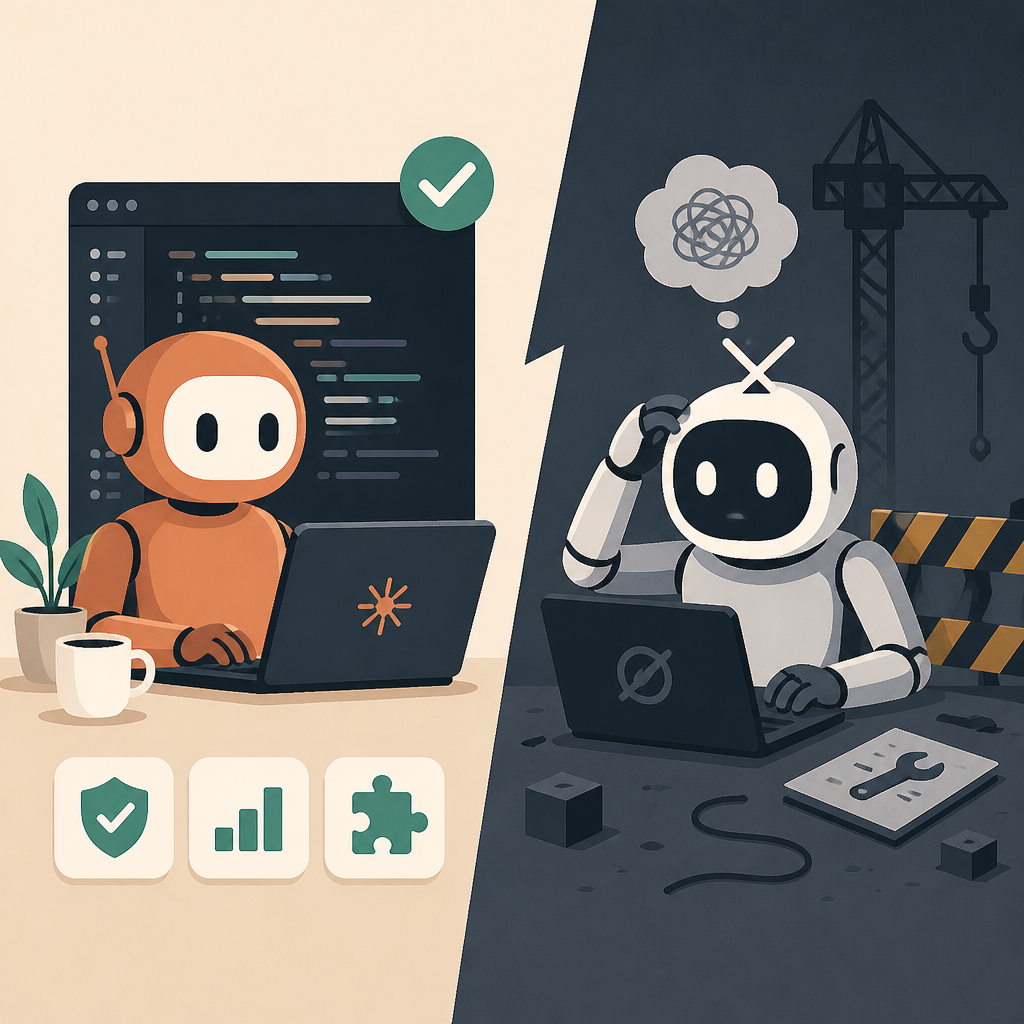
That is why the one-day comparison matters. When an evaluator says Grok Build still loses to Claude Code and Codex, the relevant question is not whether it can write code at all. It is whether it can be trusted in the middle of a real workflow. A coding assistant that is second-rate at reasoning through edits is not a productivity multiplier. It is a review burden with a chat box.
Second, the market already rewards depth over novelty
Claude Code and Codex did not win mindshare because they arrived first. They won because they fit into the way engineers actually work: iterative edits, codebase awareness, and enough reliability to keep people coming back. In coding tools, habit forms around trust. Once a team finds an assistant that reduces friction instead of adding uncertainty, switching costs rise fast. A new entrant must beat that baseline clearly, not just match the idea of it.
Grok Build is entering a crowded market where users are already comparing it against tools that have real traction. That means the bar is brutally simple: be better at the job, not louder about the launch. If xAI wants Grok Build to matter in engineering teams, it has to outperform on code quality, task completion, and correction rate. A fresh name and a fast rollout do not overcome a weaker product.
The counter-argument
The strongest case for Grok Build is that it is new, and new products improve quickly. xAI has serious resources, a visible user base, and the incentive to push hard on coding. There is also a real strategic advantage in bundling a coding tool into a broader AI ecosystem. For some users, especially those already inside the Grok or X orbit, convenience alone will make it worth trying. Early tools often look rough before they mature.
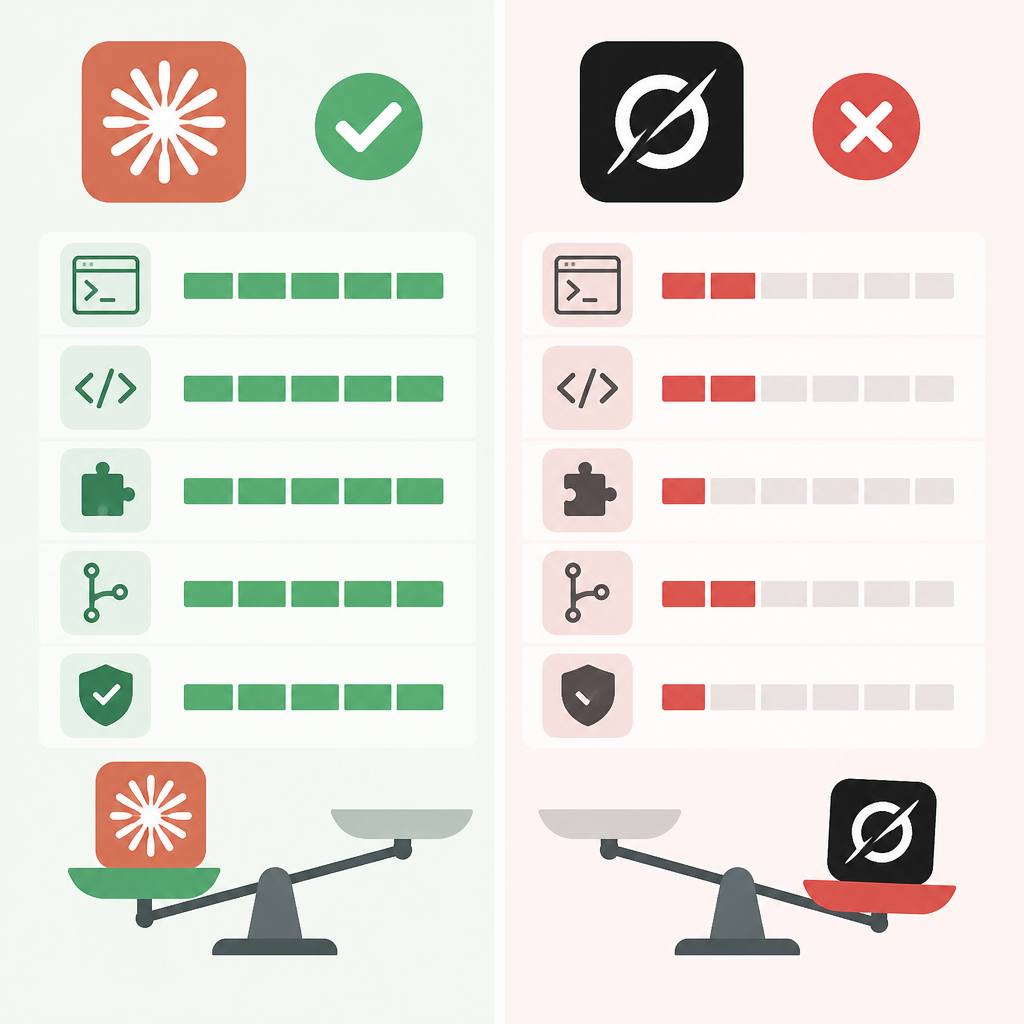
That argument is fair, but it does not change the current verdict. A product can have upside and still be behind today. Engineering teams choose tools based on present reliability, not future roadmaps. If Grok Build needs time to catch up, that is not a minor caveat. It is the whole story. Until it proves it can match or beat Claude Code and Codex on actual coding work, it remains an also-ran with promise, not a replacement.
What to do with this
If you are an engineer, treat Grok Build as something to test, not something to adopt broadly. Run it on bounded tasks, compare its edits against your current assistant, and measure correction time instead of novelty. If you are a PM or founder, do not build your workflow around launch buzz. Pick the tool that lowers review load, improves output quality, and fits the way your team ships code today. In this market, the winner is the assistant that saves the most human attention, not the one that makes the loudest entrance.
// Related Articles
- [TOOLS]
Magenta RealTime 2 lets you score in the DAW
- [TOOLS]
Open-source AI tools beat Claude’s paid tiers on value
- [TOOLS]
500 AI agent projects show where agents work now
- [TOOLS]
Chocolatey’s Go package turns installs into policy
- [TOOLS]
Go support policy turns releases into a checklist
- [TOOLS]
RustDesk self-hosting setup for secure remote access