Why Sora Alternatives Are Better Than Sora Was
Sora alternatives are the better choice now because they are more accessible, more integrated, and in several cases higher quality.

Sora alternatives now beat Sora on access, workflow, and in some cases quality.
Sora’s collapse was not a tragedy for creators; it was a reminder that hype is not infrastructure. OpenAI shut down the Sora video service on March 24, 2026, with the API set to go dark later, and that alone exposed the real problem with depending on a model that never fit production reality. The market moved on quickly. Runway, Google Veo, Kling, Pika, Luma, and Seedance now offer stronger access, tighter workflows, and in several cases better output than Sora ever delivered at its peak. If you are choosing a video model in 2026, the correct answer is not nostalgia. It is picking the tool that matches the job.
First argument: the best alternatives are built for actual production, not demo culture
Get the latest AI news in your inbox
Weekly picks of model releases, tools, and deep dives — no spam, unsubscribe anytime.
No spam. Unsubscribe at any time.
Runway is the clearest example. Gen-4.5 is not winning because it produces the single prettiest clip; it is winning because the platform wraps generation inside a real creative environment. Motion brushes, scene consistency tools, multi-model access, and video editing live in the same place. That matters when you are shipping work, not collecting screenshots. A model that gives you 5- to 10-second clips is fine if the surrounding tools let you assemble, revise, and finish the piece without bouncing across apps.
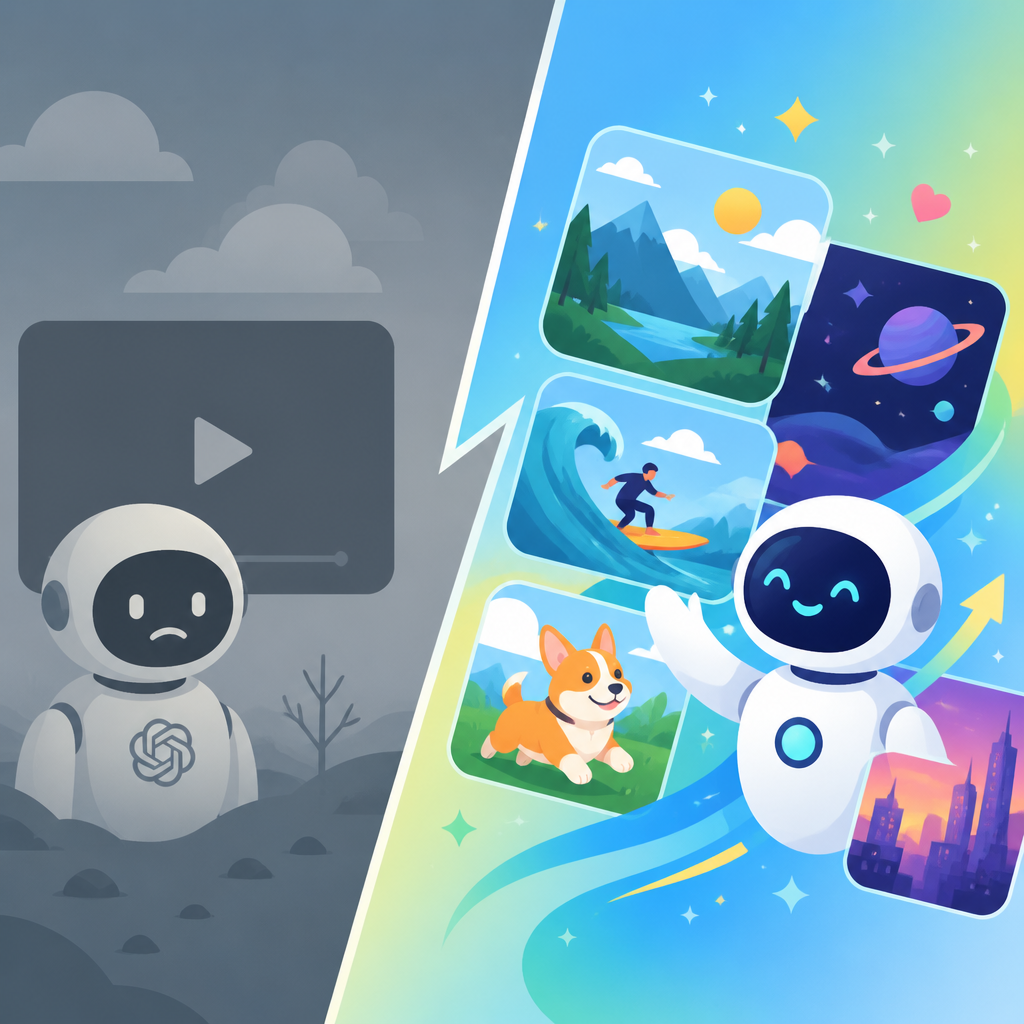
This is why Sora’s absence hurts less than its fans want to admit. The old pitch was about raw cinematic magic, but most teams do not need a magic trick. They need repeatable output, controllable shots, and a workflow that does not collapse under revision. Runway’s pricing starts at $12 a month, which is modest compared with the cost of building a production pipeline around a dead service. The lesson is simple: the best tool is the one that survives contact with the editing timeline.
Second argument: specialization has beaten general hype
Veo 3.1 is the best proof that the field has moved beyond Sora’s original claim to fame. Its fully synchronized dialogue and 48kHz audio put it in a different category for any scene where speech or performance matters. A character talking, a musician playing, a branded clip with audible action, these are not edge cases anymore. They are common use cases, and Veo handles them natively. That is a real production advantage, not a benchmark vanity metric.
Kling 3.0 and Luma Ray3 show the same pattern from different angles. Kling’s 15-second clips at native 4K and 60fps make it the practical choice for teams that need longer footage without stitching together a dozen tiny generations. Luma’s Ray3, with native 16-bit HDR, is built for mood, atmosphere, and image richness rather than strict prompt obedience. In other words, the market no longer rewards the model that does everything adequately. It rewards the model that does one important thing exceptionally well.
Third argument: the benchmark leaders are also the most useful ones
Seedance 2.0 is the strongest case against any lingering Sora nostalgia. It sits at the top of the Artificial Analysis leaderboard and, unlike many benchmark winners, it translates directly into practical advantages. It accepts text, images, video clips, and audio references in one workflow. It keeps characters more consistent across shots. It supports native audio-visual sync. It gives director-level camera control through structured tags. That is not just a better model. It is a better way to work.
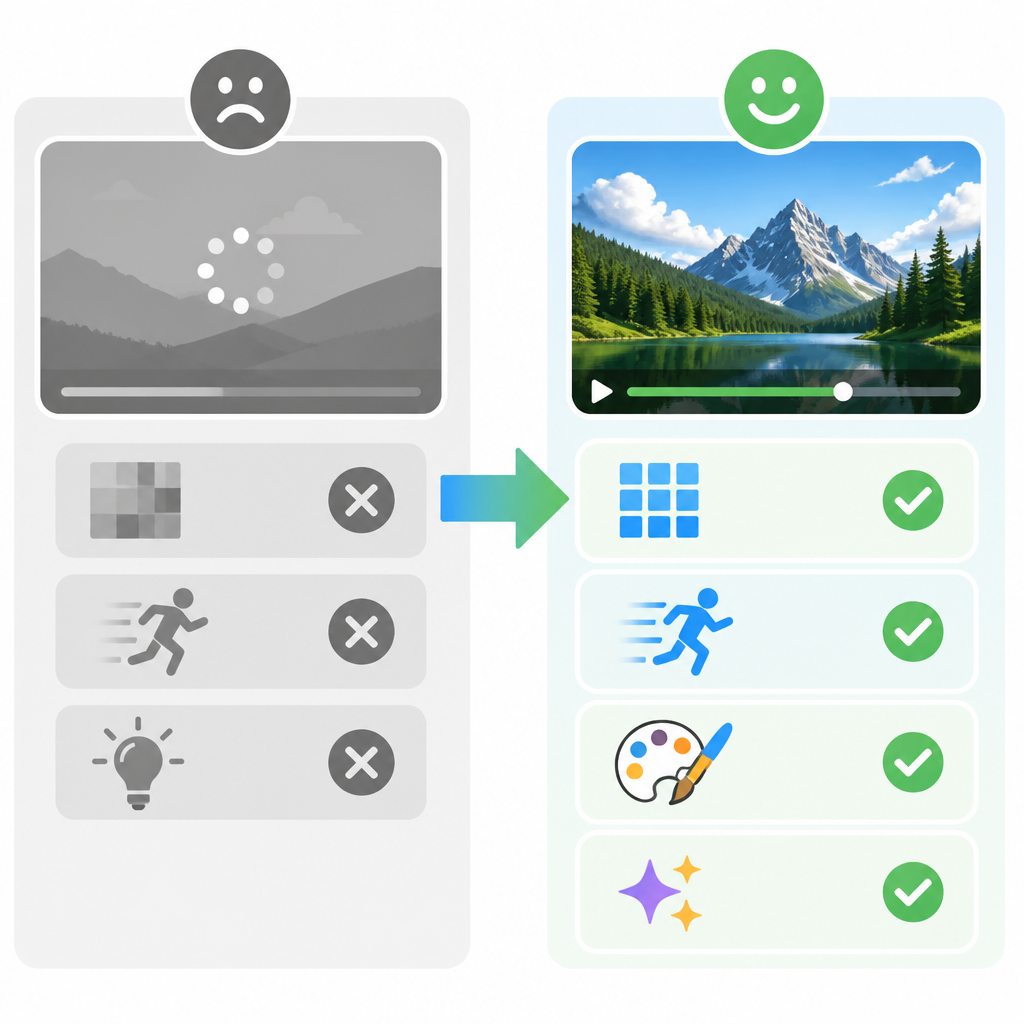
For product showcases, ads, music content, and short films, Seedance reduces the amount of tool-switching that kills momentum. If you are building a campaign, the difference between “best model” and “best workflow” becomes obvious fast. A tool that can keep a subject coherent across multiple shots and accept multiple input types is worth more than one that only looks good in a single isolated demo. Sora was famous for spectacle. Seedance is valuable because it helps finish the job.
The counter-argument
The strongest defense of Sora is emotional, not technical. It set the cultural baseline for what AI video was supposed to become. The early clips were memorable because they showed coherent motion, cinematic framing, and a sense of physical realism that felt ahead of its time. For many creators, Sora was the first model that made AI video look like a serious medium instead of a toy. Losing that reference point feels like losing the future.
There is also a fair business argument: OpenAI had brand trust, and a single platform can be easier to explain to clients than a menu of specialized tools. Teams like stable vendors, familiar interfaces, and one place to manage access. If Sora had stayed alive and kept improving, it would still have had a strong case as the default option for people who value simplicity over experimentation.
That case fails in 2026 because the market has already moved past it. Sora is not being outpaced by one rival; it is being outclassed by a cluster of tools that are better at different jobs. When the best audio model is Veo or Seedance, the best production suite is Runway, the best value long-clip option is Kling, and the best mood tool is Luma, the “one default model” argument stops making sense. The right response is not to mourn the old center. It is to choose the tool that fits the work.
What to do with this
If you are an engineer, PM, or founder building with AI video, stop treating model choice like a brand loyalty test. Pick the tool based on the output you need: Runway for workflow, Veo or Seedance for synced audio, Kling for long clips on budget, Pika for fast social iteration, Luma for cinematic look. Test with your real assets, not benchmark screenshots, and measure revision time as seriously as generation quality. In this market, the winner is the system that helps you ship.
// Related Articles
- [TOOLS]
500 AI agent projects show where agents work now
- [TOOLS]
Chocolatey’s Go package turns installs into policy
- [TOOLS]
Go support policy turns releases into a checklist
- [TOOLS]
RustDesk self-hosting setup for secure remote access
- [TOOLS]
Aider turns open-source coding into repo edits
- [TOOLS]
WWDC 2026 rumors turn Siri into a real assistant