Xiaomi MiMo Launches With TokenPlan Pricing
Xiaomi’s MiMo model debuts with TokenPlan pricing from 39 yuan, four tiers, and 1 trillion tokens processed on day one.

Xiaomi has opened a new front in AI services with MiMo, its large model API, and the first number that matters is the entry price: 39 yuan. The company says the model processed more than 1 trillion tokens on day one, which is a loud way to announce that this is meant for real usage, not a quiet beta.
The bigger story is Xiaomi’s pricing system, called TokenPlan. Instead of the usual foggy mix of per-request charges and hidden usage math, Xiaomi is selling credits across four tiers and tying billing directly to token consumption.
What Xiaomi actually launched
Get the latest AI news in your inbox
Weekly picks of model releases, tools, and deep dives — no spam, unsubscribe anytime.
No spam. Unsubscribe at any time.
MiMo is Xiaomi’s latest large model push, and it arrives with a clear business goal: make developers try it fast, then keep them paying if the quality holds up. The launch bundles model access with a subscription plan built around credits, which is easier to understand than the pricing sheets many AI vendors still use.

The plan has four tiers, from Lite to Max, and Xiaomi says first-time buyers get an 88% discount. That kind of discount is not a polite welcome offer. It is a direct attempt to win developers who are already paying for inference on other platforms.
For anyone building apps, chatbots, search tools, or coding assistants, the practical question is simple: how much does it cost to run a workload every day? Xiaomi is betting that a lower entry price and clearer billing will matter more than brand loyalty.
- Entry price: 39 yuan
- Four pricing tiers: Lite, Standard, Pro, Max
- First-purchase discount: 88%
- Day-one usage: more than 1 trillion tokens
- Billing style: credit-based, tied to token consumption
Why TokenPlan matters
AI API pricing has a habit of becoming annoying right when a product starts to work. A team tests a model for a week, then the invoice lands with token classes, request-based fees, and separate costs for different features. Xiaomi’s TokenPlan tries to strip that down to one idea: buy credits, spend credits, see what is left.
That simplicity matters because developers do not buy AI models in a vacuum. They compare cost per task, latency, output quality, and how easy it is to estimate monthly spend. If Xiaomi can keep the math predictable, MiMo has a shot at becoming the default choice for smaller teams and internal tools.
There is also a strategic angle here. Xiaomi already has a huge consumer hardware business and a large developer audience around its ecosystem. That gives MiMo a distribution advantage that many standalone AI startups do not have.
“The future of AI is not about a single model,” said Satya Nadella in a Microsoft Build keynote. “It is about a platform of models.”
That quote fits Xiaomi’s move well. MiMo is not trying to be a one-off demo; it is trying to become part of a platform story where pricing, access, and tooling matter as much as model quality.
The 1 trillion token figure needs context
One trillion tokens on day one sounds huge because it is huge. Still, launch-day numbers always need a little skepticism. Xiaomi has scale, brand recognition, and an existing user base that can create a burst of traffic fast. That does not automatically mean sustained demand, but it does suggest the infrastructure handled the load.
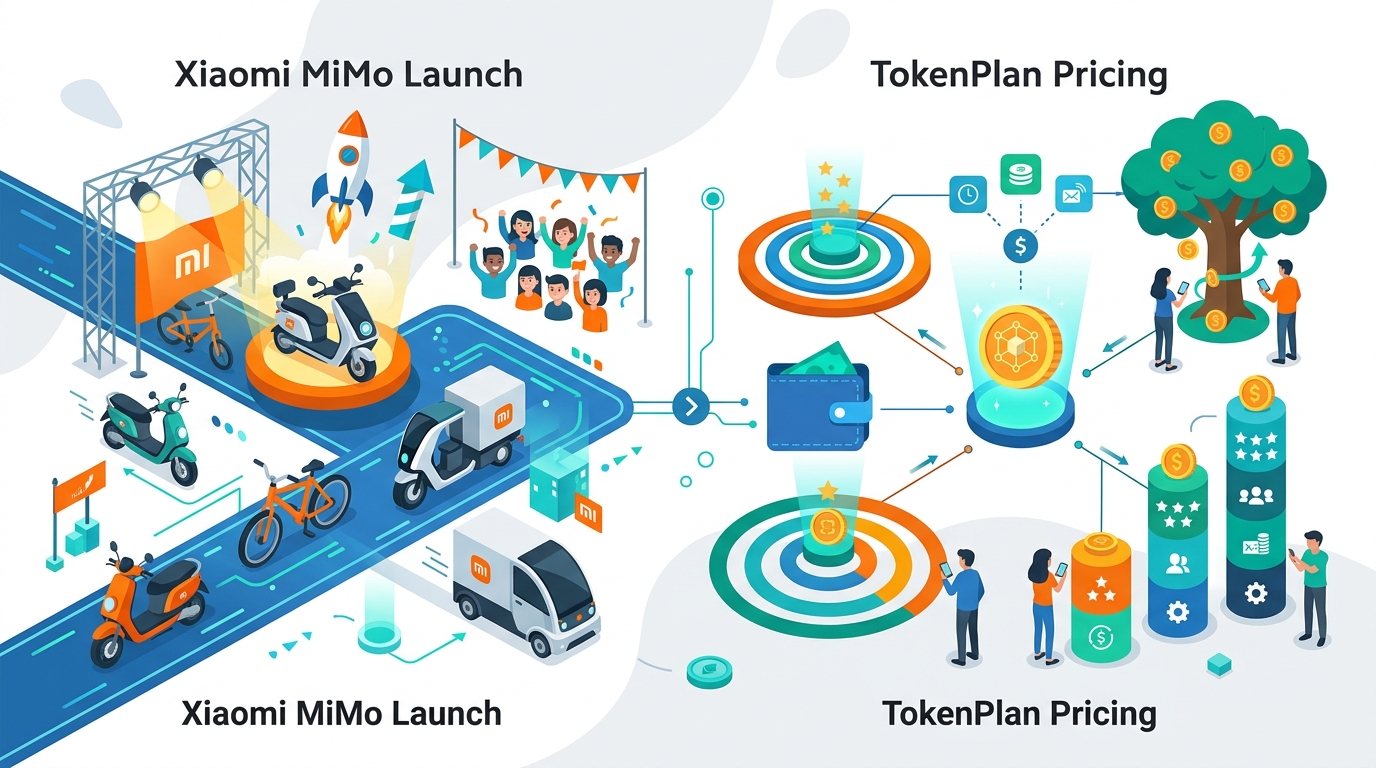
For comparison, many AI product launches spend their first day generating social media posts rather than tokens. Xiaomi is claiming actual usage, which is a better signal than sign-up counts or waitlist noise. If the number holds up over a week or a month, that will say much more about product-market fit.
What developers will care about next is whether MiMo can keep that momentum when the novelty wears off. A model can get a giant first-day spike and still fail if the output quality is average or the pricing gets complicated after the discount period.
- MiMo launch signal: heavy immediate usage, not just registrations
- 1 trillion tokens: a scale marker, not a quality score
- 88% discount: strong short-term acquisition play
- Credit-based billing: easier budgeting for teams
How MiMo compares with other model offers
Most AI model vendors still rely on usage tables that take a minute to decode and another minute to mistrust. Xiaomi’s pitch is more direct: lower the barrier, show the spend, and make the first purchase cheap enough that experimentation feels painless. That is a smart move in a market where many teams are already watching inference bills closely.
Here is the useful comparison for developers:
- OpenAI API pricing is usage-based and well documented, but costs can climb quickly on larger workloads.
- Anthropic also uses token-based billing, with strong model quality but a higher-cost reputation in some workloads.
- Google Gemini API offers broad model access and competitive pricing on some tiers, though developers still need to track usage carefully.
- DeepSeek has pushed price pressure across the market by making advanced models cheaper to try and deploy.
Xiaomi’s edge is not just cost. It is the combination of low starting price, a simple credit model, and the company’s ability to push the service into an existing ecosystem. That mix can matter more than raw benchmark bragging rights when teams are deciding what to test next week.
For developers, the real test is whether MiMo can hold up in ordinary production use. Can it answer fast, stay stable under load, and produce outputs that are good enough to justify switching? If the answer is yes, TokenPlan could become Xiaomi’s strongest AI business move so far.
What to watch next
The next few weeks will tell us more than the launch day ever could. If Xiaomi keeps the discount aggressive, publishes clear benchmark data, and makes the API easy to integrate, MiMo could become a practical option for teams that care about cost control.
If you are building with AI right now, this is worth watching for one simple reason: pricing can change adoption faster than model marketing can. A model that is slightly cheaper and easier to budget for can win real usage even without the loudest brand in the room.
My bet is that Xiaomi will use MiMo the same way it uses a lot of its products: sell hard on entry cost, then try to keep users inside the ecosystem once the habit forms. The question is whether developers will stay after the discount fades, or whether MiMo becomes another cheap trial that people forget to renew.
For now, the smartest move is to compare TokenPlan against the API bills you already pay and see whether Xiaomi’s math actually improves your unit economics. If it does, MiMo is worth a pilot this month, not sometime later.
// Related Articles
- [CHAIN]
7 Solana APIs that cut weeks off integration
- [CHAIN]
Solana Unchained token sale nears Phase 1 close at $0.05
- [CHAIN]
June 2026 Web3 Signals Founders Should Use Now
- [CHAIN]
Bitcoin DeFi will grow, but not by copying Ethereum
- [CHAIN]
AI-blockchain projects need real utility, not token theater
- [CHAIN]
DMG’s 50 MW AI LOI is a better use of miners’ power assets