6 Manus alternatives for AI agent workflows
6 Manus alternatives we tested in 2026, with a quick look at autonomy, control, and where each tool fits best.

Six Manus alternatives help you choose between agent autonomy, control, and workflow fit.
If Manus feels too locked to its own cloud bubble, this list shows six options that give you different tradeoffs in autonomy, access, and control. One benchmark from the source points to why this matters: the article frames Manus around a "sovereignty hole," where execution can feel detached from your own tools and data.
1. Saner.AI
Get the latest AI news in your inbox
Weekly picks of model releases, tools, and deep dives — no spam, unsubscribe anytime.
No spam. Unsubscribe at any time.
Saner.AI is the best fit if you want an AI assistant that stays closer to your own notes, tasks, and knowledge instead of acting like a separate agent in a sealed environment. It is the most natural pick for people who want help organizing real work, not just running isolated commands.
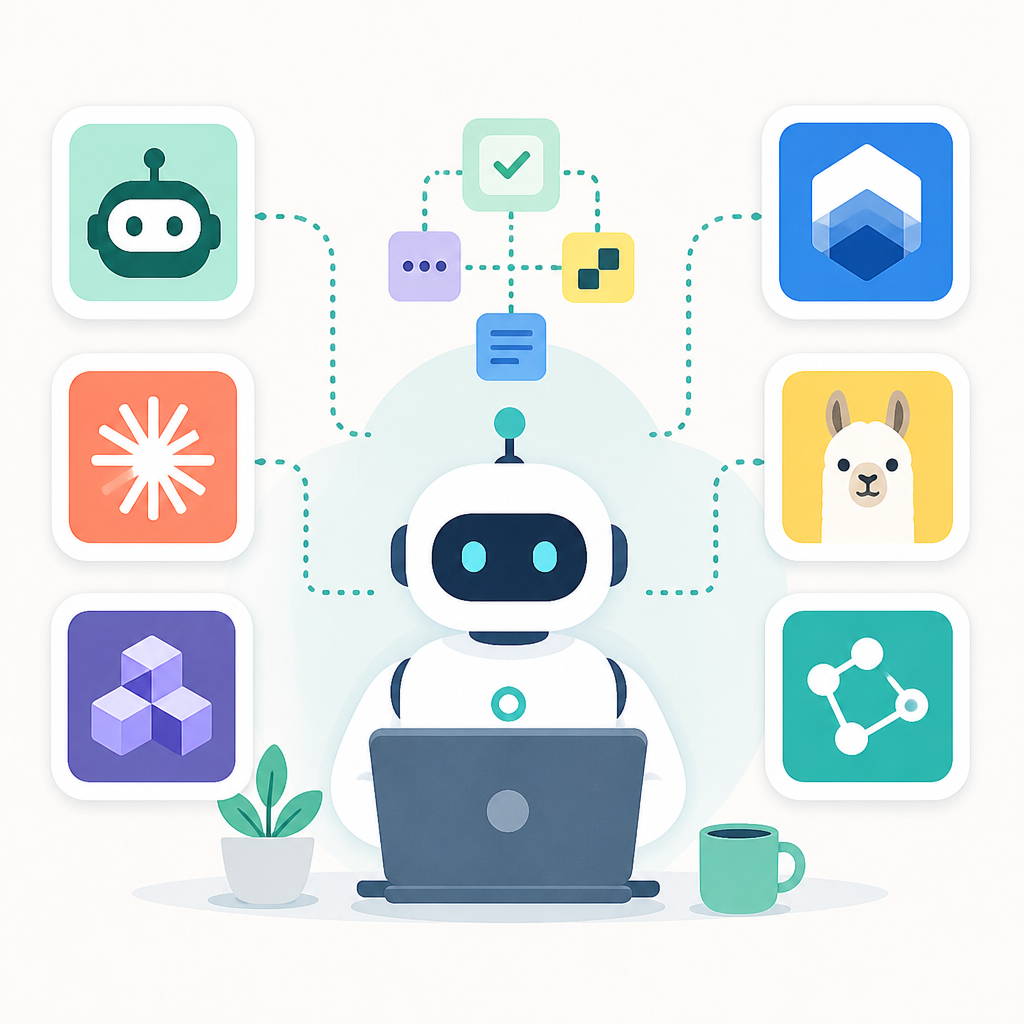
That makes it useful for founders, operators, and knowledge workers who want AI support without giving up visibility. You still get automation, but the experience is centered on your workflow rather than a distant agent workspace.
- Best for: personal knowledge work and task organization
- Strength: more direct fit with your existing workflow
- Tradeoff: less of a pure autonomous-agent feel
2. OpenAI ChatGPT
ChatGPT is the easiest alternative if you want broad capability and a familiar interface. It is not built as a single-purpose agent box, which can be an advantage when you want flexible drafting, reasoning, and tool use in one place.
For many users, the value is range. You can use it for research, writing, coding help, and lightweight automation, then decide how much structure you want around it. It is a practical choice when you want a general assistant first and an agent second.
- Best for: general-purpose AI help
- Strength: broad model quality and wide adoption
- Tradeoff: can require more prompting discipline
3. Anthropic Claude
Claude is a strong Manus alternative if your work is text-heavy and you care about long-context reading, careful writing, and analysis. It often fits better than an agent-first product when the job is understanding documents and producing clean output.
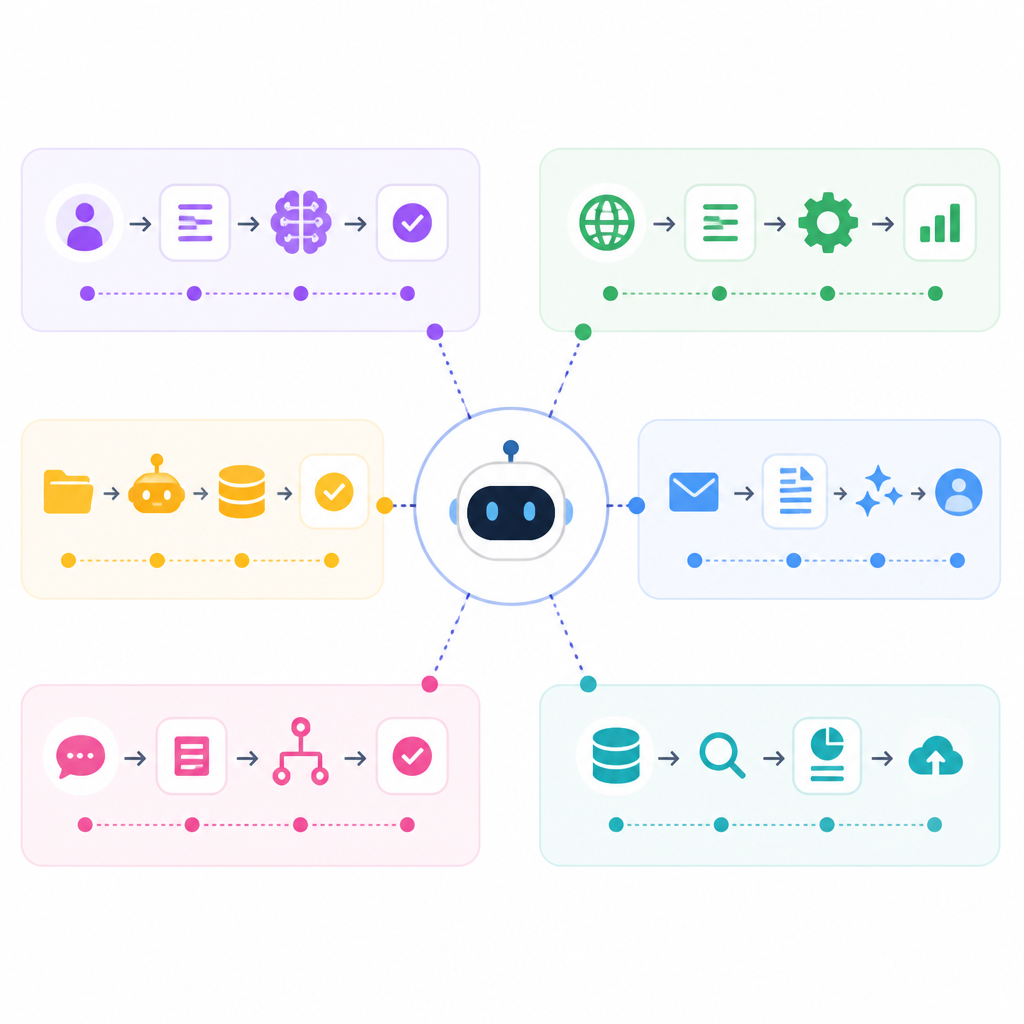
If your day is full of memos, briefs, summaries, and internal docs, Claude is a safe bet. It is especially appealing when you want less task orchestration and more high-quality thinking over large inputs.
- Best for: document analysis and writing
- Strength: strong long-form reasoning and editing
- Tradeoff: less focused on autonomous task execution
4. Google Gemini
Google Gemini is worth a look if your work already lives in Google apps and you want an assistant that fits that environment. It can be a better match than Manus when your main need is everyday productivity across email, docs, and search-adjacent tasks.
The appeal is convenience. Instead of moving work into a separate agent system, you can keep more of it near the tools you already use. That makes Gemini attractive for teams that value speed of adoption over deep agent customization.
- Best for: Google Workspace users
- Strength: close fit with Google’s ecosystem
- Tradeoff: less of a dedicated autonomous agent product
5. Perplexity
Perplexity is the best Manus alternative if your main pain point is research. It is built for fast answers with citations, which makes it useful when you want source-backed output instead of a task runner that may hide its process.
Use it when you need to scan a topic quickly, compare claims, or gather references before making a decision. It is not trying to replace your whole workflow; it is trying to make the research step faster and easier to trust.
- Best for: research and cited answers
- Strength: quick retrieval with sources
- Tradeoff: narrower than a full agent platform
6. Microsoft Copilot
Microsoft Copilot makes sense if your work is already tied to Microsoft 365. It is a solid Manus alternative for people who want AI inside Word, Excel, Outlook, and Teams rather than in a standalone agent shell.
That integration matters because it reduces friction. Instead of exporting work into another system, you can ask for help where the work already happens. For enterprise users, that can matter more than flashy autonomy.
- Best for: Microsoft 365 environments
- Strength: native workflow integration
- Tradeoff: less open-ended than a dedicated agent tool
How to decide
If you want the closest thing to an AI work partner inside your own workflow, start with Saner.AI. If you want a broad assistant, pick ChatGPT or Claude. If your day is tied to Google or Microsoft apps, Gemini or Copilot will feel more natural. If research is the main job, Perplexity is the cleanest fit.
The real question is not which tool is smartest. It is which one keeps your work visible, your context accessible, and your process under your control.
// Related Articles
- [IND]
OpenAI is right to keep ads out of sensitive chats
- [IND]
AI bootlegs are already draining streaming royalties
- [IND]
AMD and Microsoft push Windows ML on GPU and NPU
- [IND]
OpenAI’s IPO filing turns hype into scrutiny
- [IND]
Skatteetaten proves public sector AI should be judged by outcomes
- [IND]
OpenAI’s IPO filing puts AI’s biggest test on Wall Street