Jaire Alexander explains why he stepped away
Jaire Alexander says mental strain, not just injury, drove his NFL break after a Packers release and a Ravens stint against Josh Allen and Buffalo.
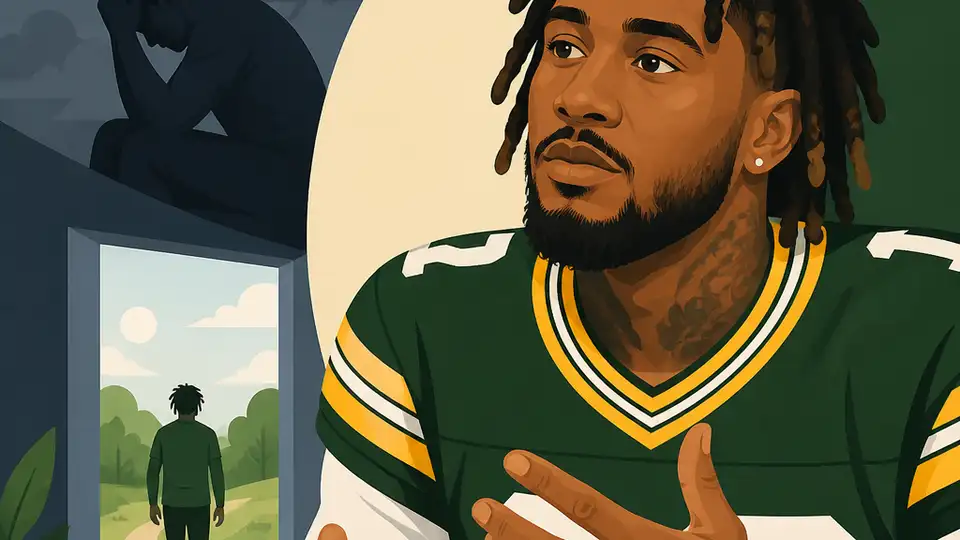
Jaire Alexander says mental strain, not just injury, drove his NFL break.
Jaire Alexander used a Players’ Tribune essay to explain why he stepped away from the NFL, tying the decision to a rough stretch after the Green Bay Packers released him and he later landed with the Baltimore Ravens. In the piece, published May 13, Alexander says a matchup against Buffalo Bills quarterback Josh Allen became a mental checkpoint as he tried to prove he was still an All-Pro corner.
| 項目 | 數值 |
|---|---|
| Publication date | May 13 |
| Teams mentioned | Packers, Ravens, Bills |
| Key opponent | Josh Allen |
| Source type | Players’ Tribune essay |
What changed
Get the latest AI news in your inbox
Weekly picks of model releases, tools, and deep dives — no spam, unsubscribe anytime.
No spam. Unsubscribe at any time.
Alexander’s account frames the break as more than a football decision. He says being cut by Green Bay, then trying to reset with Baltimore, left him carrying pressure that followed him into every rep, especially with Buffalo on the schedule.
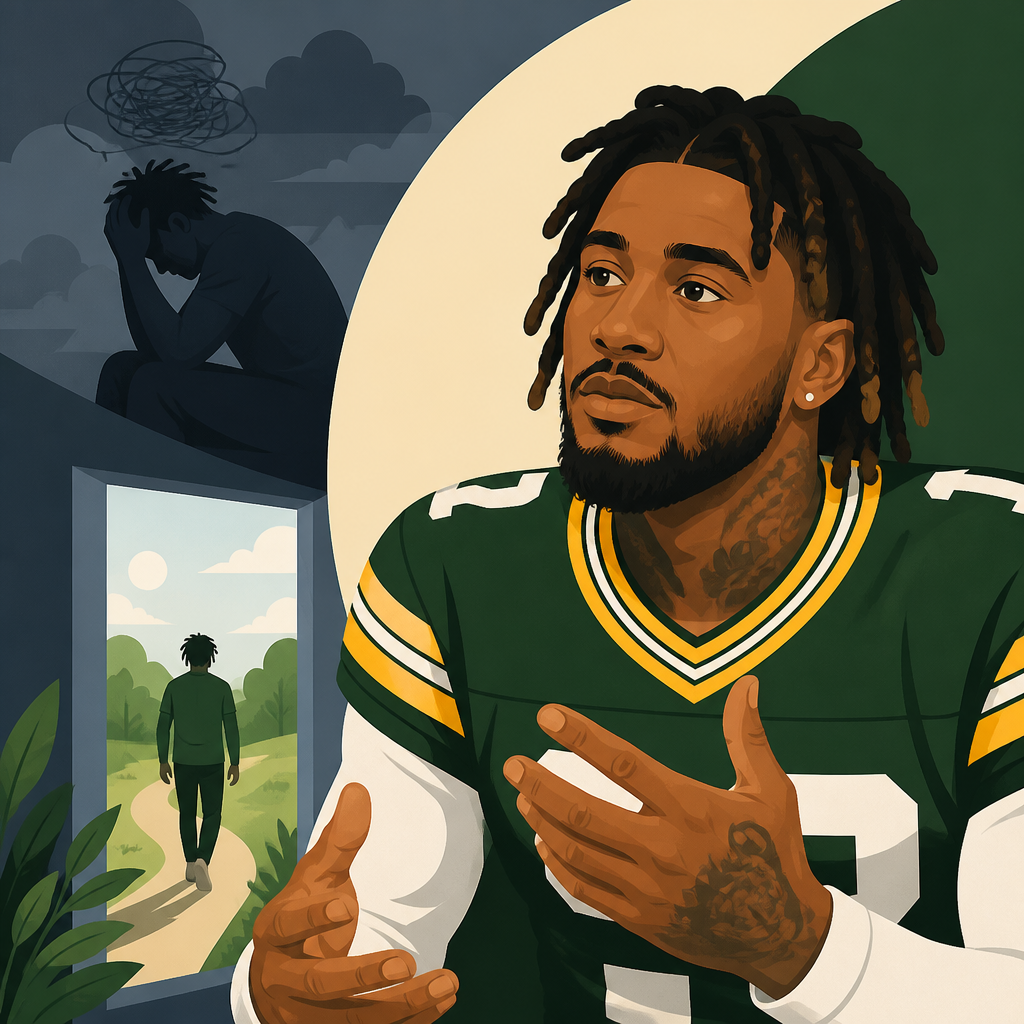
The forum thread around the essay focused heavily on the Bills angle, but the source story is broader: Alexander describes a player trying to keep his identity intact after losing his job and facing a high-stakes return to the field. The piece also links his experience to wider NFL mental-health issues.
- Alexander says the Packers released him before he joined the Ravens.
- He says the Bills game was circled all summer.
- He describes trying to prove he was still elite.
- The essay ties his break to mental strain, not only physical wear.
Why it matters
For teams, the story is a reminder that roster churn can hit players harder than box scores show. A release is not just a contract move; for veterans and stars, it can trigger a reset in confidence, routine, and performance.
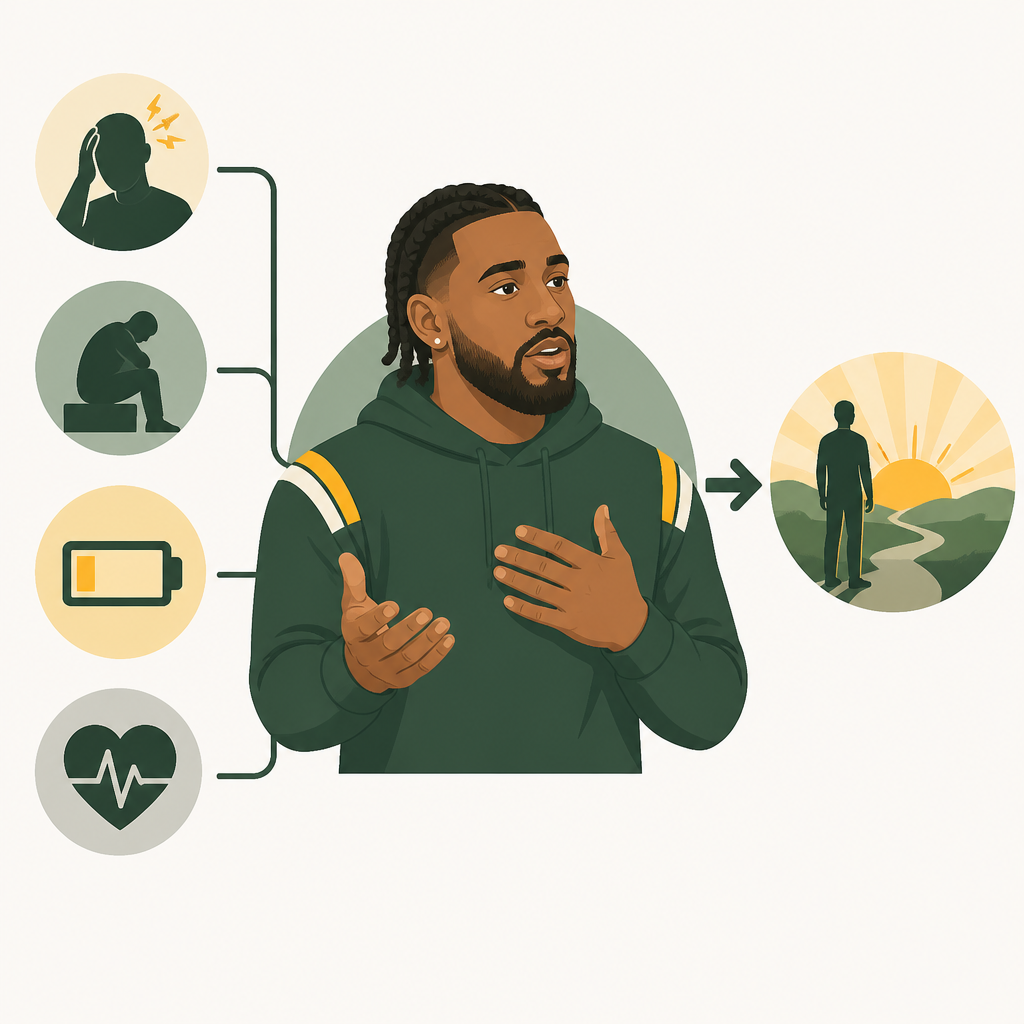
For developers and analysts building sports products, the takeaway is simple: player availability and output are not just injury questions. Mental-state signals, public comments, and role changes can shape performance, and those factors often surface before the stat line does.
Alexander’s essay also lands in a leaguewide conversation about how front offices treat mental health. The sharp question is not whether players feel pressure. It is whether NFL organizations are built to notice it before it turns into a longer absence.
// Related Articles
- [IND]
OpenAI’s IPO filing turns hype into scrutiny
- [IND]
Skatteetaten proves public sector AI should be judged by outcomes
- [IND]
OpenAI’s IPO filing puts AI’s biggest test on Wall Street
- [IND]
OpenAI’s latest moves now center on pricing, safety, and scale
- [IND]
RISC-V mini PCs are worth buying now, but only as a bet on the future
- [IND]
Fedora 44 RISC-V widens Linux board support