Kubernetes became CNCF’s first big cloud-native anchor
Kubernetes joined CNCF in 2016 and reached Graduated status in 2018, marking its rise from incubation to production-ready infrastructure.
Kubernetes joined CNCF in 2016 and reached Graduated status in 2018.
Kubernetes is the project that turned container orchestration from a niche ops problem into a standard part of modern infrastructure. CNCF says it was accepted on March 10, 2016 at the Incubating maturity level, then moved to Graduated on March 6, 2018.
| Milestone | Date | Status |
|---|---|---|
| Accepted by CNCF | March 10, 2016 | Incubating |
| Graduated by CNCF | March 6, 2018 | Graduated |
| Project type | Open-source system | Automates deployment, scaling, and management of containerized apps |
Why Kubernetes matters inside CNCF
Get the latest AI news in your inbox
Weekly picks of model releases, tools, and deep dives — no spam, unsubscribe anytime.
No spam. Unsubscribe at any time.
On the CNCF Kubernetes project page, the project is described in plain terms: it automates deployment, scaling, and management of containerized applications. That sounds simple, but it is the reason Kubernetes became the default control plane for a huge share of cloud-native software.
The CNCF maturity labels also matter. Incubating means a project is already in real use and has a healthy contributor base. Graduated means it has passed a stricter bar for adoption, community health, and technical maturity. Kubernetes cleared that bar in less than two years after joining the foundation.
That speed tells you something about the market at the time. By 2016, teams were already tired of stitching together scripts, custom schedulers, and brittle deployment workflows. Kubernetes gave them a common API and a shared operating model.
- Accepted by CNCF: March 10, 2016
- Graduated: March 6, 2018
- Maturity path: Incubating to Graduated
- Core job: automate deployment, scaling, and management
The CNCF backing around the project
Kubernetes did not grow in a vacuum. CNCF wraps it in a larger support system that includes the Technical Oversight Committee, the Governing Board, and the End User Technical Advisory Board. Those groups handle technical direction, budget oversight, and end-user input.
That structure matters because Kubernetes is no longer a single project in isolation. It is part of the operating system layer for cloud-native software, and its governance has to keep pace with how people actually run production systems.
“Kubernetes is an open-source system for automating deployment, scaling, and management of containerized applications.”
That line from CNCF is useful because it cuts through the hype. The value is not in the label or the logo. The value is in removing a long list of manual tasks that used to eat engineering time every week.
What the numbers say about adoption
CNCF does not publish a single adoption score on this page, but the surrounding signals are hard to miss. The site points to Certified Kubernetes Conformance, Kubernetes Certified Service Provider, training programs, and a long list of case studies. Those are the kinds of programs a project gets when companies are already building budgets, hiring plans, and support contracts around it.
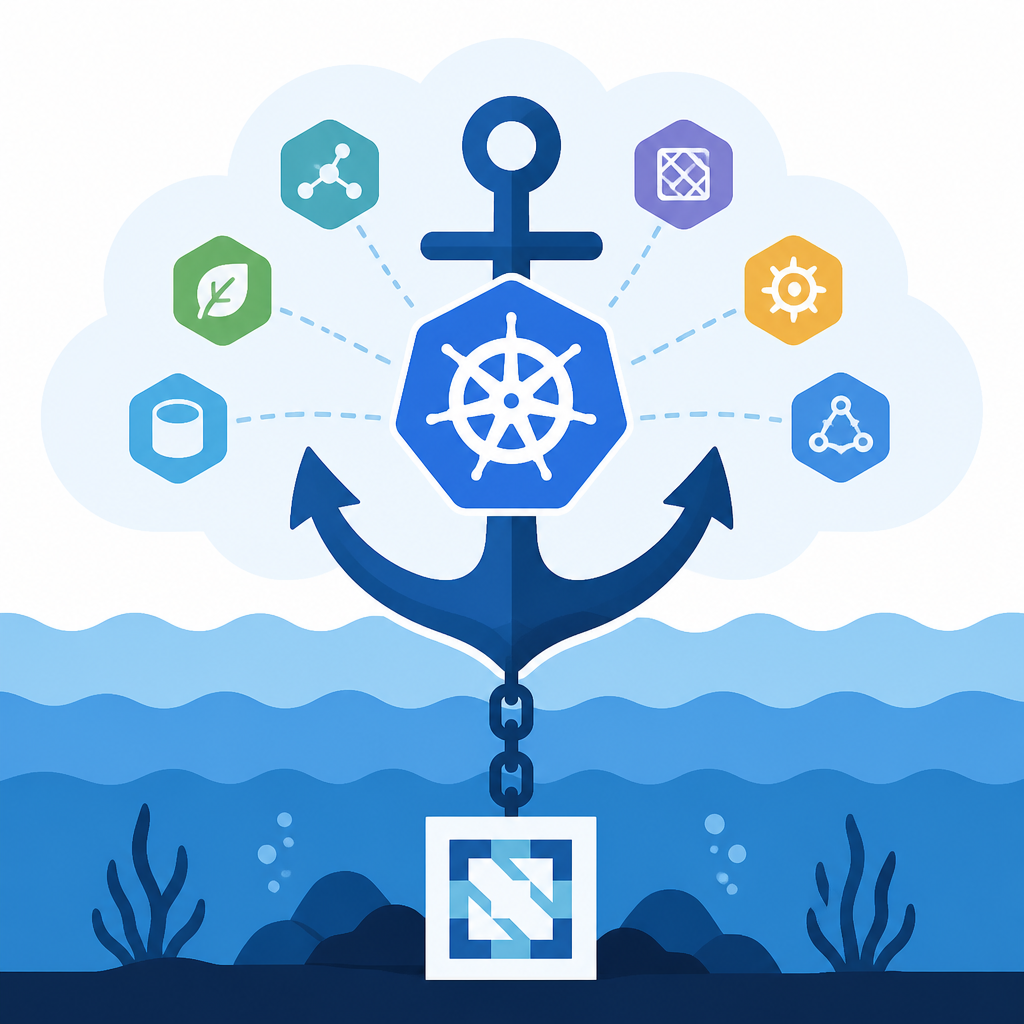
It also helps that CNCF has built an ecosystem around the project. The page links to project metrics, journey reports, training, and partner programs. In practice, that means Kubernetes is not treated like a side experiment. It is treated like infrastructure that needs documentation, certification, and repeatable operations.
- Project page links to training, certifications, and partner programs
- Certified Kubernetes Conformance checks required APIs across versions
- Kubernetes Certified Service Providers help enterprises adopt it
- CNCF also tracks project metrics and journey reports
If you want a sense of how embedded Kubernetes is, look at the way CNCF presents it alongside case studies and recorded programs. The foundation is not selling a concept. It is managing an ecosystem that already has users, vendors, and a steady stream of operational lessons.
What this means for teams planning now
For engineering leaders, the key takeaway is simple: Kubernetes is past the “interesting technology” stage. It is mature infrastructure with a clear governance model, training paths, and conformance testing. That lowers risk for teams that want portability across environments, but it also raises the bar for operations, security, and platform engineering.
If your organization is still deciding whether to standardize on Kubernetes, the CNCF page is a reminder that the question is no longer whether the project is stable. It is whether your team has the people and process to run it well. The next decision is usually about platform design, not about the project’s future.
My read: the real competition now is between teams that can operate Kubernetes cleanly and teams that treat it like a checkbox. The first group will keep shipping faster. The second group will keep paying the integration tax.
For more context on cloud-native standards and project maturity, see our coverage of CNCF project maturity and why conformance testing matters.
// Related Articles
- [IND]
OpenAI is right to keep ads out of sensitive chats
- [IND]
AI bootlegs are already draining streaming royalties
- [IND]
AMD and Microsoft push Windows ML on GPU and NPU
- [IND]
OpenAI’s IPO filing turns hype into scrutiny
- [IND]
Skatteetaten proves public sector AI should be judged by outcomes
- [IND]
OpenAI’s IPO filing puts AI’s biggest test on Wall Street