Google's Gemini AI Rollout Extended to 2026
Google has extended its Gemini AI rollout timeline to March 2026, offering users and developers additional time to adapt to upcoming changes.

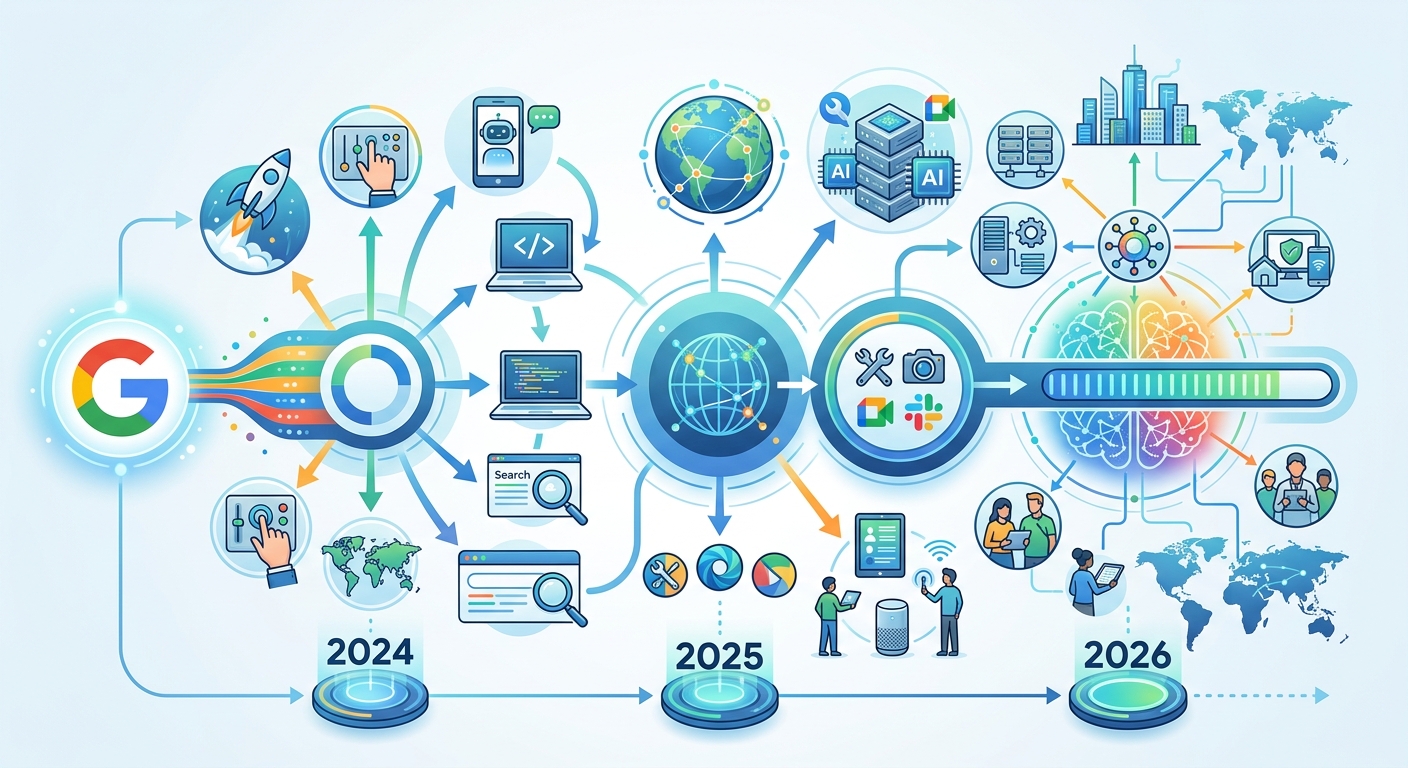
In a strategic shift, Google has pushed the final phase of its Gemini AI rollout to March 2026. This extension provides both users and developers with a longer window to adjust to the impending changes in the mobile assistant landscape. Originally set for an earlier release, the delay reflects Google's commitment to refining its AI systems and ensuring a smooth transition for consumers.
Understanding the Delay
Get the latest AI news in your inbox
Weekly picks of model releases, tools, and deep dives — no spam, unsubscribe anytime.
No spam. Unsubscribe at any time.
The decision to extend the rollout period comes from a need to perfect the integration of Gemini AI into existing systems. Google aims to enhance user experience and functionality before the complete transition. This extended timeline allows for comprehensive testing and feedback gathering, crucial steps in the development of robust AI technology.

- Initial rollout was set for 2024, now extended to 2026.
- Google is focusing on improving AI capabilities and user experience.
- The delay allows for more extensive testing and debugging.
Industry Insights
Analysts have been closely monitoring Google's progress with Gemini AI. The extension has sparked various discussions about the implications for the tech giant's market strategy. Sundar Pichai, CEO of Google, emphasized the importance of this development phase: "Our goal is to ensure that Gemini AI integrates seamlessly into everyday activities, enhancing productivity and connectivity."
"Our goal is to ensure that Gemini AI integrates seamlessly into everyday activities, enhancing productivity and connectivity." - Sundar Pichai, CEO of Google
Comparisons with Competitors
Google's decision to extend the rollout timeline positions it differently compared to competitors like Amazon and Apple. Both companies have been aggressively pushing their AI assistants, Alexa and Siri, into more devices and applications. Google's strategic delay may give it an edge by prioritizing quality over speed.
- Amazon's Alexa has been integrated into over 100,000 devices.
- Apple's Siri is available in 35 languages and across numerous platforms.
- Google's focus is on a refined user experience with Gemini AI.
What Lies Ahead
As Google works towards the 2026 deadline, the emphasis will likely remain on enhancing Gemini AI's capabilities. Developers and users should expect incremental updates and improvements over the coming years. The extended timeline not only provides Google with the opportunity to optimize its technology but also encourages developers to innovate within the ecosystem. This strategic patience could lead to a more impactful rollout when Gemini AI finally takes center stage in 2026.
// Related Articles
- [IND]
WebX 2026 turns speaker hype into a conference brief
- [IND]
AI Weekly: 2026-07-06 ~ 2026-07-13
- [IND]
The AI Act should be treated as Europe’s operating system for AI
- [IND]
Booz Allen’s OpenAI Deal Is Real Advantage, Not Hype
- [IND]
OpenSearch’s vector search benchmark in 5 parts
- [IND]
Vector Databases That Work in Production