2026 MSI lands in Daejeon with new formats
2026 MSI heads to Daejeon with a June 28 start, 10 teams, a new play-in bracket, and a packed fan program.

2026 MSI heads to Daejeon with a new play-in bracket, 10 teams, and a June 28 start.
League of Legends’ 2026 Mid-Season Invitational is heading to Daejeon, South Korea, and the schedule is already locked in. The event begins on June 28 and runs through July 12, with 10 teams from around the world fighting for a trophy, extra Worlds qualification, and bragging rights that last all year.
The most interesting part is the format tweak. Riot is keeping the double-elimination main stage, but the play-in round now sends one team forward from a four-team bracket, which makes every early match matter more than a typical warm-up stage.
| Item | Detail |
|---|---|
| Host city | Daejeon, South Korea |
| Dates | June 28 to July 12, 2026 |
| Teams | 10 total |
| Play-in stage | June 28 to July 1 |
| Main stage | July 3 to July 12 |
MSI 2026 is built around pressure from day one
Get the latest AI news in your inbox
Weekly picks of model releases, tools, and deep dives — no spam, unsubscribe anytime.
No spam. Unsubscribe at any time.
Riot’s own framing for MSI is simple: this is the midseason test where regional champions measure themselves against each other before Worlds. In 2026, that test starts in Daejeon with a compact schedule and a format that leaves little room for slow starts.
The play-in stage runs June 28 to July 1, and the main event follows from July 3 to July 12. That means teams do not get a long runway to adapt. They need to read the meta quickly, draft cleanly, and avoid the kind of shaky opening series that can sink an entire event.
- Play-in matches are set for June 28, 29, 30, and July 1.
- Main-stage matches begin on July 3 and continue through July 12.
- The final is scheduled for July 12 at 2 p.m. Beijing time.
- The winner also helps shape the race for extra Worlds spots.
That last point matters more than casual viewers sometimes realize. MSI is not just a trophy chase. It affects the political economy of the season, because international success can boost a region’s standing and change the pressure on teams back home.
The field mixes familiar giants with regional surprises
The 2026 lineup includes names fans know well, plus teams that rarely get the same global spotlight. From the LoL Esports side, the event includes Bilibili Gaming and Top Esports from the LPL, Hanwha Life Esports and T1 from the LCK, plus G2 Esports and Karmine Corp from Europe.
North America sends Team Liquid and LYON, while the Pacific region is represented by Team Secret Whales and Revolve Deep Cross Gaming. Brazil’s spot goes to FURIA.
“This is where the best teams from every region meet.” — Riot Games’ 2026 MSI announcement on Zhihu
That quote sounds like marketing, but it also captures why MSI still matters. Regional leagues can isolate teams inside their own habits. MSI forces everyone into the same room, under the same patch, with the same stage pressure. You see who adapts and who needs more than domestic comfort to win.
The team list also hints at a broader trend: international League of Legends is no longer just about a small club of repeat contenders. The field now includes organizations with very different fan cultures, budgets, and play styles, which makes the event more interesting than a simple rematch of the usual suspects.
The format change makes the opening week more dangerous
According to the announcement, 2026 MSI keeps the 2025 structure almost intact, with one key difference in the play-in stage. Four teams will fight through a double-elimination group, and only one advances into the eight-team main bracket.
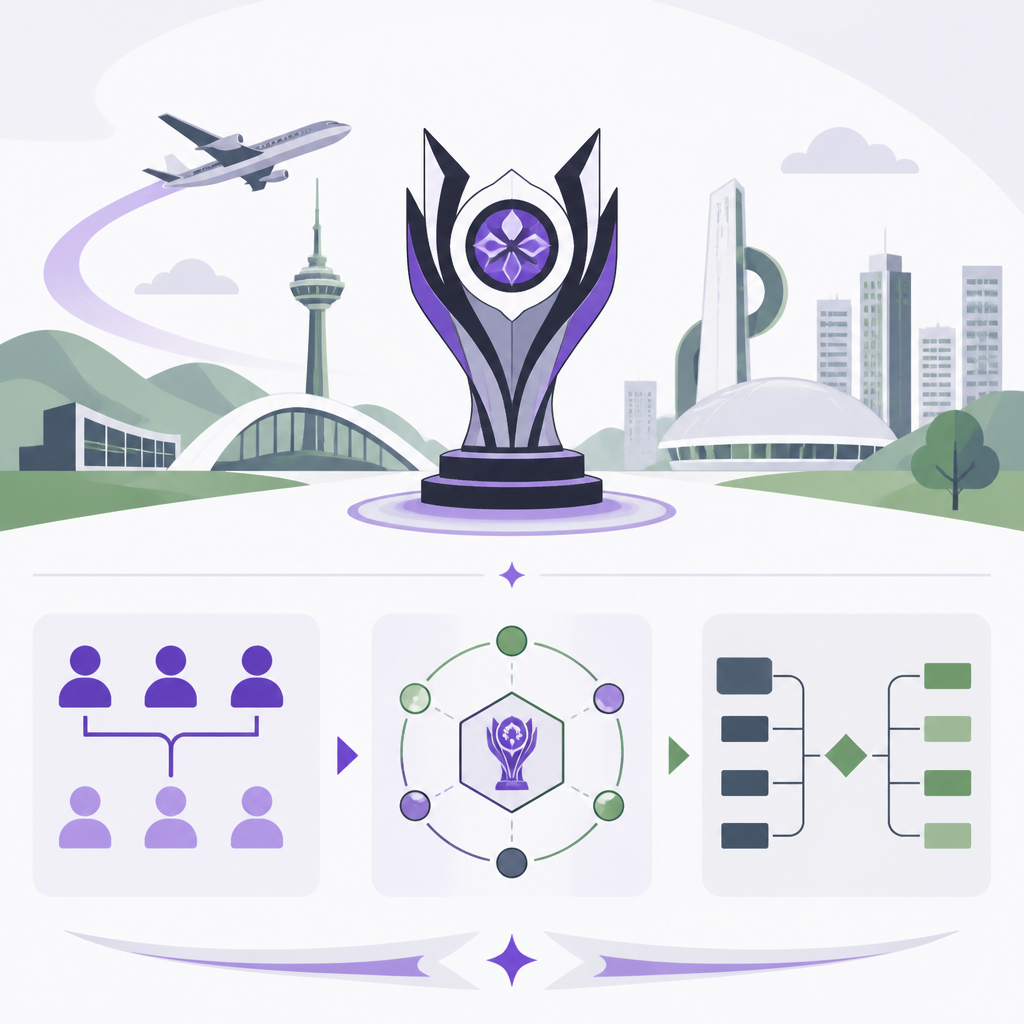
That is a tighter filter than a single best-of series or a longer group stage. It rewards teams that prep well before the event and punishes those that need two or three matches to wake up. For viewers, it should also create more meaningful early games, because there is less dead time before elimination pressure starts.
- 2026 play-in: 4 teams, double-elimination group stage, 1 qualifier.
- Main stage: 8 teams, double-elimination bracket.
- 2025-style structure returns almost unchanged outside play-ins.
- Finals week runs July 8 to July 12.
If you compare that with older MSI formats, the event is moving toward clarity. Riot has spent years trimming confusion from international play, and this version is easier to explain to new viewers: win early, stay alive, and keep winning until the final.
There is also a practical reason this format works. Double elimination gives elite teams a second shot, which lowers the odds that one bad draft or one bad day wipes out a top contender too early. At the same time, the smaller play-in bracket keeps the event from dragging.
MSI is becoming a content event, not just a tournament
The competitive bracket is only part of the story. Riot is also wrapping the event in live broadcasts, creator coverage, in-client rewards, merch, and a fan festival in Daejeon. That matters because modern esports events are judged by more than match quality.
Official viewing options include the League of Legends client, 掌上英雄联盟, LPL.QQ.COM, Huya, Bilibili, Tencent Video, Tencent Sports, Weibo, and WeChat Channels. Riot also says the collaboration-stream program will include more than 100 creators, with the full online roster due on June 22.
There is a merch push too. The official skin this year is Jhin’s Absolute Sanctum Jhin, and Riot says sales from the skin, borders, bundles, and chromas feed into revenue sharing for esports teams. That is the business side of MSI in plain language: fans buy cosmetics, and some of that money returns to the competitive ecosystem.
Riot also plans a fan carnival in Daejeon from July 3 to July 12, with daily activity windows, a new immersive area tied to LoR? no the new champion lore experience, arcade-style mini games, creator booths, cosplay, and team exhibits. The event is trying to keep people engaged even when they are not watching the stage.
That strategy makes sense. Esports audiences now expect a full package: matches, creator commentary, merchandise, and something to do between series. MSI 2026 looks designed for that reality rather than fighting it.
Daejeon is the real test for Riot’s new MSI formula
The big question is whether this version of MSI feels sharper than previous years. The schedule is clean, the field is strong, and the play-in stage is short enough to avoid bloat. If the games are close, the event should land well for both hardcore fans and casual viewers.
What to watch next is simple: whether the new play-in format produces a true underdog run, whether the creator-stream push expands the audience outside the usual English and Chinese-language cores, and whether the July 12 final becomes a preview of Worlds-level form rather than just a standalone trophy match.
If Riot gets those pieces right, MSI 2026 will do more than fill two weeks on the calendar. It will give us an early read on which regions can actually handle international pressure this year, and that is the kind of answer League fans will be debating all summer.
// Related Articles
- [IND]
Anthropic ARR冲到470亿美元,估值逼近千亿
- [IND]
Midjourney’s body scanner is a bad pivot for a great AI brand
- [IND]
The Pentagon should not use Grok for wartime targeting
- [IND]
Grok’s latest controversies are now a regulation story
- [IND]
AIBOX 不是拼软件,关键在把 AX8850 的硬件吃满
- [IND]
AI coding assistant ROI is real, but only when you measure it