5 Synonym Groups for “Leveraging”
5 synonym groups for “leveraging,” from neutral words like using to harsher terms like exploiting and abusing.

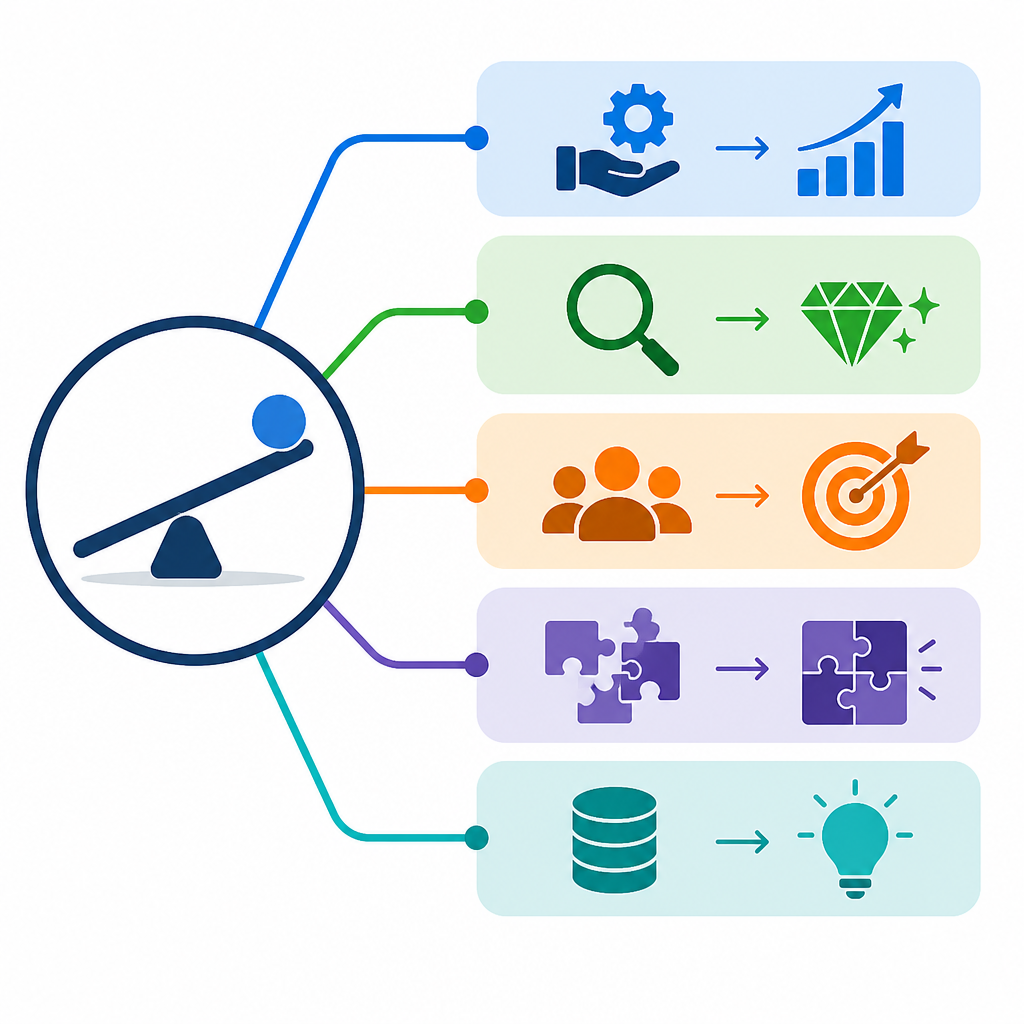
These five synonym groups show when “leveraging” means using, exploiting, or taking unfair advantage.
If you need a better substitute for “leveraging,” this list breaks the word into five usable groups, from neutral business prose to clearly negative intent. Merriam-Webster lists 24 similar words for the verb, including “using,” “exploiting,” and “abusing.”
1. Neutral replacements for everyday writing
Get the latest AI news in your inbox
Weekly picks of model releases, tools, and deep dives — no spam, unsubscribe anytime.
No spam. Unsubscribe at any time.
When “leveraging” just means making use of something, the safest swaps are plain verbs such as “using,” “employing,” or “working with.” These fit most general writing and keep the sentence direct.

These options are the best pick when you do not want to imply pressure, manipulation, or unfair gain. They are also the easiest to read in news copy, internal memos, and explanatory text.
- using
- employing
- making use of
- working with
2. Business and strategy words
In corporate or planning contexts, “capitalizing on,” “cashing in on,” and “trading on” can work when the idea is to benefit from an asset, trend, or reputation. These phrases are more specific than “using” and often sound more calculated.
Use this group when the sentence is about advantage, timing, or opportunity. Just watch the tone: some of these phrases can sound a bit self-interested even when they are not fully negative.
- capitalizing on
- cashing in on
- trading on
- commercializing
3. Words for unfair pressure or exploitation
Some synonyms for “leveraging” move into clearly negative territory. “Exploiting,” “abusing,” and “manipulating” suggest that someone is taking unfair advantage of a person, weakness, or situation.
These words fit only when the writer wants to show harm or ethical trouble. They are stronger than “leveraging” and should be used with care because they can change the meaning of a sentence fast.
- exploiting
- abusing
- manipulating
- cheating
4. Informal phrases with a sharp edge
Some entries in Merriam-Webster’s list are informal or idiomatic, which makes them useful in conversational writing but less suited to polished reporting. Phrases like “milking,” “playing on,” and “imposing on” suggest someone is stretching a resource, emotion, or relationship for gain.
These are handy when you want voice and attitude. They can sound vivid, but they also carry judgment, so they work best in opinion pieces, dialogue, or commentary.
- milking
- playing on
- imposing on
- walking on
5. Strongest terms for abuse or mistreatment
The harshest synonyms in the list go beyond advantage and into mistreatment. Words such as “fleecing,” “skinning,” “bleeding,” and “jerking around” imply someone is being cheated, drained, or treated badly.
These are not polite substitutes for “leveraging.” They are best reserved for cases where the writer wants to show predation, fraud, or outright abuse, not simple strategy.
- fleecing
- skinning
- bleeding
- jerking around
How to decide
If you mean plain use, choose “using” or “employing.” If you mean advantage, try “capitalizing on” or “trading on.” If the action is unfair or harmful, move to “exploiting,” “abusing,” or one of the harsher terms.
The key is tone. “Leveraging” can sound polished, but the right synonym should match the level of neutrality or blame you want the reader to feel.
// Related Articles
- [IND]
OpenAI’s IPO will expose AI hype to Wall Street
- [IND]
Gemini lands inside Apple’s developer stack
- [IND]
Five AI coding IDEs that fit real workflows
- [IND]
Devin Desktop turns Windsurf into an agent hub
- [IND]
Korea’s Nvidia talks point to an AI factory push
- [IND]
OpenAI should not rush its IPO just to win the AI race