5 takeaways from Critterz losing Sora
5 takeaways from Critterz missing Cannes after OpenAI shut down Sora, the model that powered its AI film pipeline.

Critterz missed its Cannes debut after OpenAI shut down the Sora model behind its AI film pipeline.
Critterz was meant to show that a generative-AI feature could move fast, but the plan hit a hard stop when OpenAI retired Sora. The film had a stated budget under $30m and a target timeline of about nine months, making the model change more than a technical footnote.
| Item | Key fact | Timing |
|---|---|---|
| Critterz | AI-aimed animated feature | Missed Cannes in-festival debut |
| Sora | Video model used in production | Shut down in March |
| Consumer app | Peaked near 1 million users | Collapsed below half that |
| Compute cost | About $1m a day | Before shutdown |
| Critterz budget | Under $30m | Public target |
1. The model choice was part of the pitch
Get the latest AI news in your inbox
Weekly picks of model releases, tools, and deep dives — no spam, unsubscribe anytime.
No spam. Unsubscribe at any time.
Critterz was not just using AI in the background. It was being sold as a proof that a feature-length family film could be made through a generative pipeline, with Sora handling sequence generation inside OpenAI’s wider creative stack.

That made the model itself part of the movie’s identity. When a project is marketed as a technical first, the tooling is not replaceable in the same way as a generic production vendor.
- Produced by AGC International, Vertigo Films, and Native Foreign
- Directed by Nik Kleverov
- Built from a 2023 short by Chad Nelson
- Positioned as human-led but AI-assisted
2. Sora’s shutdown changed the production math
OpenAI shut down Sora in March after the consumer app peaked at roughly a million users, then fell below half that while burning about $1m a day in compute. The web and app experience went dark on 26 April, with the API scheduled to follow on 24 September.
For Critterz, that meant a key part of the workflow disappeared mid-project. The team has not said what replaced Sora, only that Native Foreign works across several generative platforms.
- Consumer app peaked at roughly 1 million users
- Usage fell below 500,000
- Daily compute burn was about $1m
- API shutdown set for 24 September
3. Cannes market exposure is not the same as a premiere
The film did reach the Cannes market, where AGC screened first-look footage for buyers. But that is a sales event, not the in-festival debut the producers had been aiming for, and the gap matters for a project built around timing and proof.
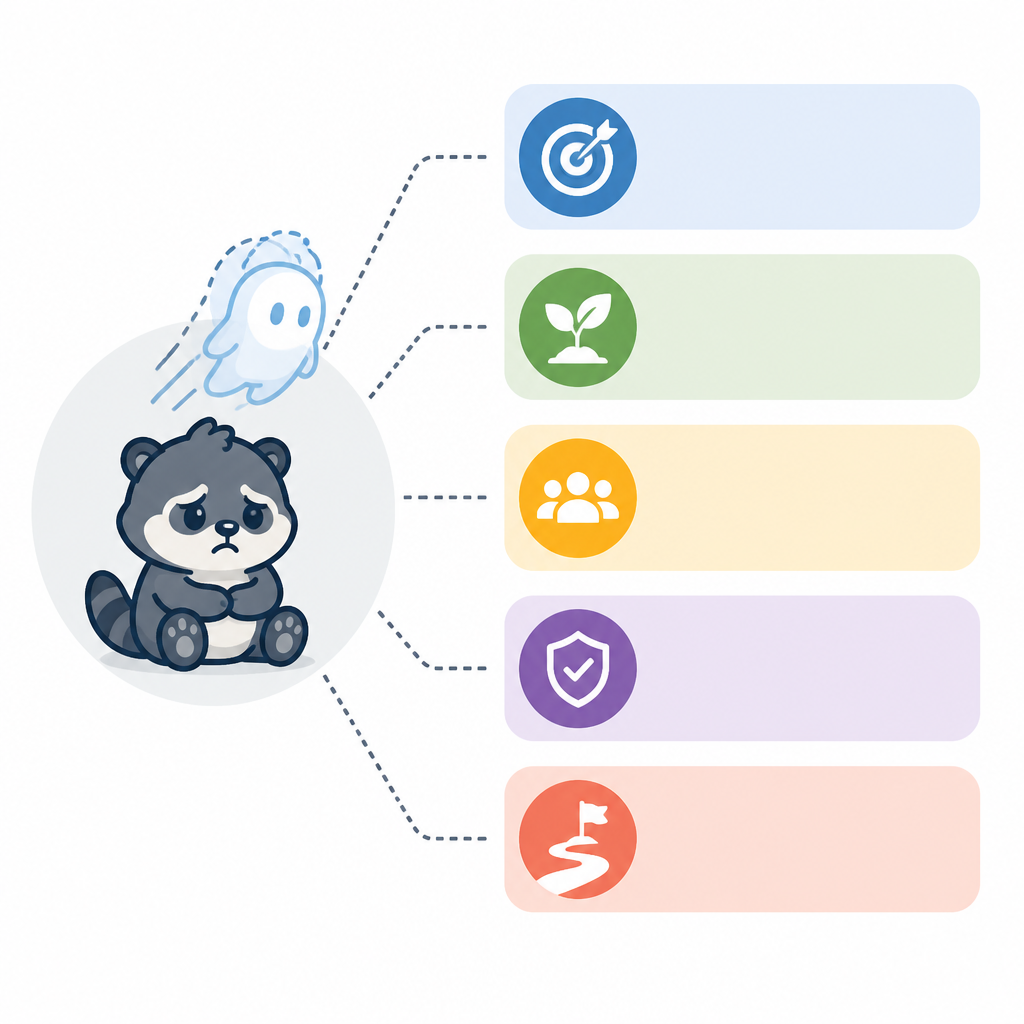
Festival premieres create momentum, press, and a clean launch story. A market screening can still generate interest, but it does not carry the same signal for a film trying to validate an AI production method.
Market screening = buyer-facing preview
In-festival premiere = public launch moment
Missing the second weakens the first
4. The budget and schedule were the real selling points
The project was framed as a family animated feature made for under $30m and delivered in about nine months, compared with roughly three years for a traditional animation schedule. That is the kind of pitch buyers understand immediately because it is about cost, speed, and risk.
Those numbers are also why the Sora issue matters so much. If the production method cannot stay stable long enough to hit the target window, the whole argument for the film becomes harder to sell.
- Budget: under $30m
- Target timeline: about nine months
- Traditional animation comparison: around three years
- Family audience target
5. The story is now bigger than one film
Critterz was supposed to be a flagship example of generative video in commercial filmmaking. Instead, it now sits inside a broader question about whether AI tools can stay stable long enough for long-form creative work.
OpenAI has reportedly shifted video research toward world-simulation work for robotics, which leaves the project with an uncertain technical inheritance and a likely next window at Cannes 2027. By then, the “first AI feature” claim may be harder to defend because other contenders will have moved in.
- OpenAI has not formally announced the research pivot
- The project’s back-end tooling has not been disclosed
- Cannes 2027 is the clearest next target
- Other AI film contenders are already in the mix
How to decide
If you care most about the film business, the key issue is the missed Cannes launch. If you care about AI product strategy, the more important signal is that a flagship creative tool can disappear before the project it enabled is finished.
For readers tracking media, the lesson is simple: a model shutdown is not just a software update. In a project like Critterz, it can change the release plan, the sales pitch, and the story the film is supposed to tell.
// Related Articles
- [IND]
Gemini lands inside Apple’s developer stack
- [IND]
Five AI coding IDEs that fit real workflows
- [IND]
Devin Desktop turns Windsurf into an agent hub
- [IND]
Korea’s Nvidia talks point to an AI factory push
- [IND]
OpenAI should not rush its IPO just to win the AI race
- [IND]
OpenAI updates its Europe privacy policy