5 takeaways from WM2026 on nuclear cleanup
5 takeaways from WM2026 show how AI, policy shifts, and new cleanup goals are reshaping DOE-EM and nuclear waste work.
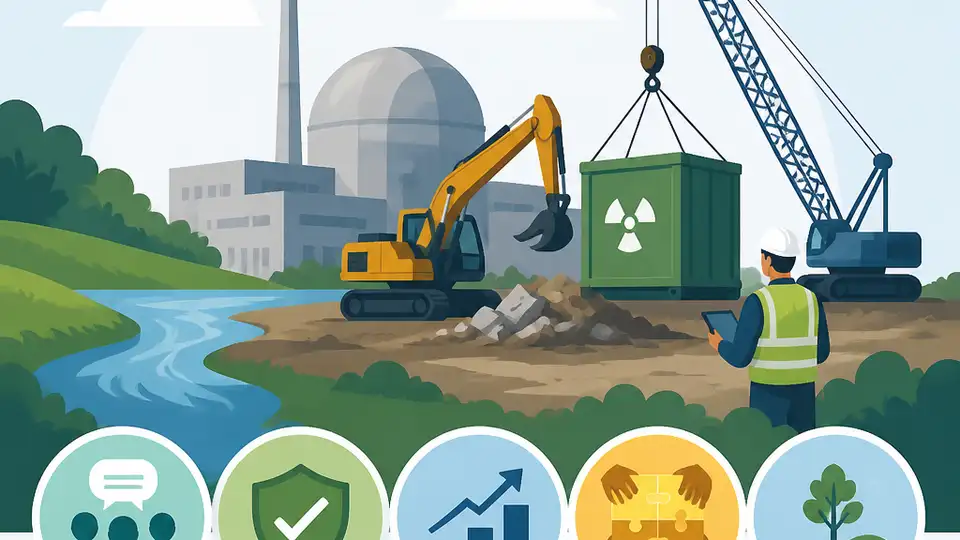
WM2026 spotlighted five ways AI, policy, and cleanup goals are changing nuclear waste work.
The 2026 Waste Management Conference in Phoenix showed how nuclear cleanup is moving from slow process to outcome-driven action. One speaker said the remaining 15 DOE-EM sites should be substantially cleaned up by 2040.
| Item | Main focus | Notable detail |
|---|---|---|
| Finland | New nuclear and waste policy | 81% want nuclear kept or expanded |
| DOE-EM / NR2 | Cleanup mission reset | 15 sites targeted for substantial cleanup by 2040 |
| AI and analytics | Mission speed and safety | Used to improve characterization and decision-making |
| Regulatory reform | Process simplification | Outmoded rules and duplicative reviews under scrutiny |
| Talent pipeline | Workforce continuity | Mentoring and knowledge transfer emphasized |
1. Finland’s model for new nuclear and waste planning
Get the latest AI news in your inbox
Weekly picks of model releases, tools, and deep dives — no spam, unsubscribe anytime.
No spam. Unsubscribe at any time.
Finland was the featured country at WM2026, and its message was clear: long-term policy can make new nuclear easier to build while keeping waste plans credible. Linda Kumpula of Finland’s Ministry of Economic Affairs and Employment said the government is focused on investment in new plants, waste management options, and international technical services.
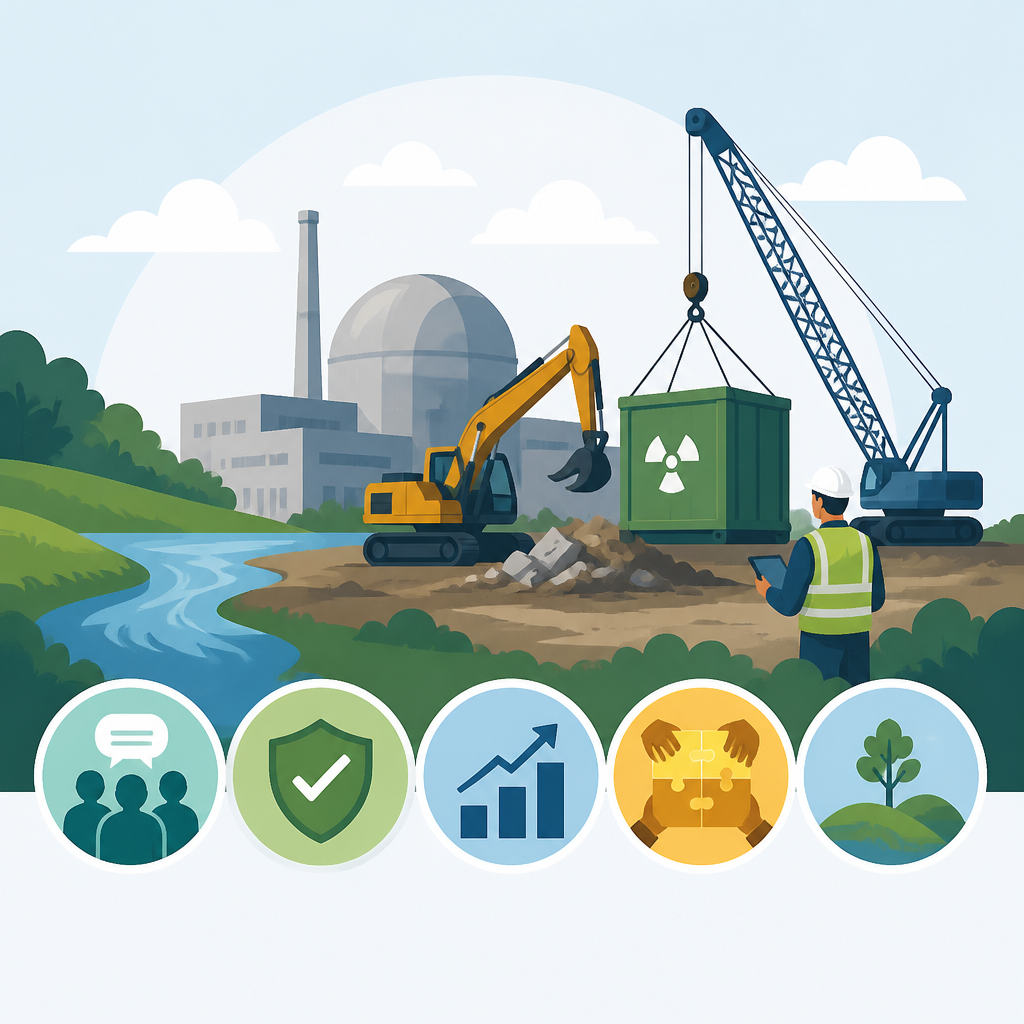
That approach is already visible at Onkalo, the deep geologic repository near the Olkiluoto plant. Final testing is underway, and waste emplacement is expected to begin later this year. The country’s example matters because it ties licensing, waste disposal, and public trust into one strategy.
- Onkalo is nearing operation.
- Almost 40% of Finland’s electricity came from nuclear power last year.
- A recent survey found 81% of Finns want nuclear kept at current levels or increased.
2. DOE-EM’s shift toward a new cleanup identity
Timothy Walsh, assistant secretary for the Department of Energy’s Office of Environmental Management, described a mission that is being reset around outcomes rather than routine. He said the office is moving from “nuclear restoration to a nuclear renaissance” and plans to rename DOE-EM as Nuclear Restoration and Revitalization, or NR2.
Walsh also said the remaining 15 DOE-EM sites should be substantially cleaned up and, where appropriate, reindustrialized by 2040. He framed the goal as turning liabilities into assets, with cleanup sites eventually supporting new uses instead of sitting idle.
- Proposed name: Nuclear Restoration and Revitalization, or NR2.
- Target: 15 remaining sites substantially cleaned up by 2040.
- Future use: reindustrialization where appropriate.
3. AI and digital tools as cleanup accelerators
Conference leaders repeatedly argued that technology is no longer optional in nuclear cleanup. Walsh said DOE-EM will become a “future-focused organization,” using AI, cutting duplicative reviews, and streamlining processes to meet mission goals. He also said cleanup sites should become hubs that can support AI data centers and advanced manufacturing.
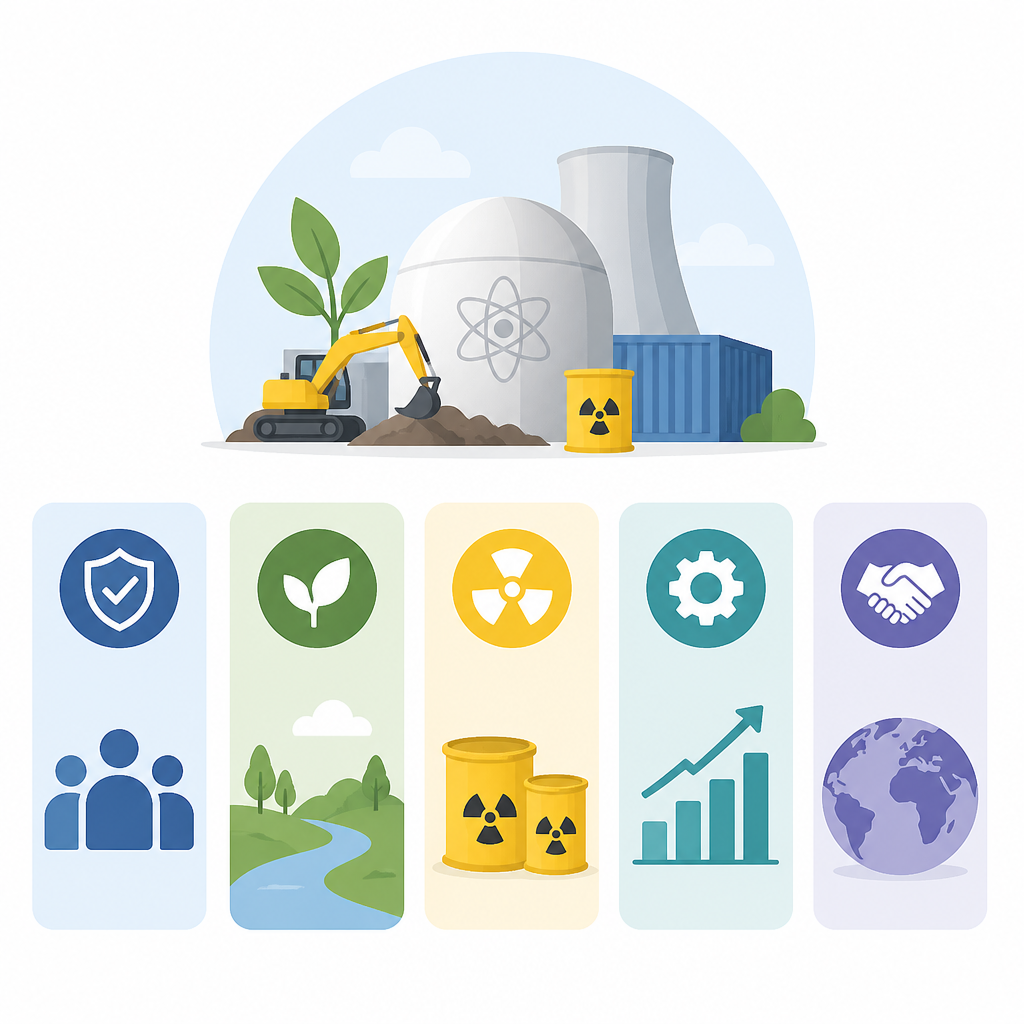
John Longenecker, founder of Longenecker and Associates, made the case even more directly: digital applications, advanced analytics, automation, and AI can improve characterization, speed decisions, raise project performance, and reduce worker risk. His point was not that technology replaces standards, but that it helps the mission move faster without lowering them.
- AI can support characterization and decision-making.
- Automation can reduce risk to workers and the public.
- Walsh said the U.S. may need 60 GW of new power generation for data centers.
4. Regulatory cleanup and faster decision-making
One of the strongest themes at WM2026 was frustration with process drag. Walsh said DOE-EM has become stagnant over time and argued that the office needs defined cleanup completion dates, with work targeted for the next 20 to 40 years. He pointed to regulatory burdens as a major reason progress slows.
His fixes were specific: update rules that are 25 years old or more, reexamine settlement agreements with states and regulators, and cut red tape across government. The goal is not to loosen safety requirements, but to make sure the framework supports the mission rather than slowing it down.
- Update outdated regulations.
- Review settlement agreements for fit with cleanup goals.
- Cut duplicative reviews and unnecessary steps.
5. Workforce renewal and knowledge transfer
Technology and policy only matter if the workforce can carry them out. Longenecker warned that the industry must keep passing lessons on to younger workers, while Bradburne and Brunnert both described a need to re-energize the DOE-EM complex and restore a sense of accomplishment.
Walsh said DOE-EM plans a realignment in the coming weeks that would add about 90 to 100 staff members to a workforce of roughly 820. That kind of staffing move signals that the office wants more capacity, but the bigger message was cultural: the cleanup mission needs people who can think in terms of outcomes, not just the next small milestone.
- Current DOE-EM staff: about 820.
- Planned increase: about 90 to 100 more staff.
- Mentoring was presented as a core duty, not an extra task.
How to decide what matters most
If you follow nuclear policy, Finland’s example is the one to watch because it connects licensing, waste disposal, and public support. If you work in cleanup or federal oversight, DOE-EM’s proposed reset matters more, especially the push to set completion dates and trim process delays.
If you are looking at where the field is heading next, the most useful signal is the mix of AI, automation, and workforce renewal. WM2026 made the case that the next phase of nuclear cleanup will depend on better tools, clearer goals, and people who can turn both into action.
// Related Articles
- [IND]
Gemini lands inside Apple’s developer stack
- [IND]
Five AI coding IDEs that fit real workflows
- [IND]
Devin Desktop turns Windsurf into an agent hub
- [IND]
Korea’s Nvidia talks point to an AI factory push
- [IND]
OpenAI should not rush its IPO just to win the AI race
- [IND]
OpenAI updates its Europe privacy policy