AI in 2026: Trends Poised to Transform Industries
By 2026, AI will actively join discovery processes in physics, chemistry, and biology, moving beyond summarizing papers and answering questions.
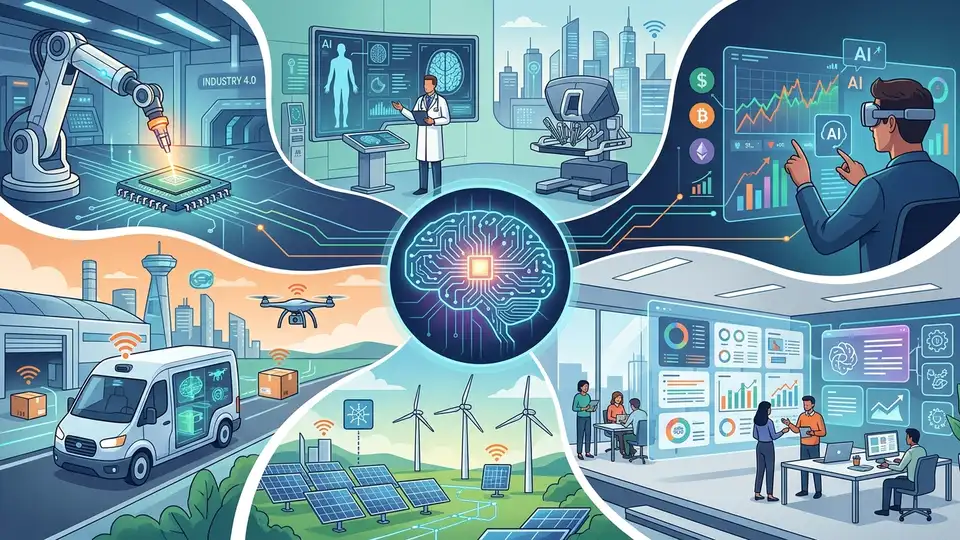
Artificial Intelligence is on the brink of a significant transformation. By 2026, AI will not just be an assistant summarizing papers or answering questions; it will actively participate in the discovery processes across various scientific fields like physics, chemistry, and biology. This marks a substantial leap from AI being a tool to becoming a true collaborator in research and development.
AI as a Collaborative Partner
Get the latest AI news in your inbox
Weekly picks of model releases, tools, and deep dives — no spam, unsubscribe anytime.
No spam. Unsubscribe at any time.
AI's role is evolving to become a genuine partner in collaboration with humans. Aparna Chennapragada, Microsoft's Chief Product Officer for AI experiences, foresees AI amplifying human capabilities rather than replacing them. In her view, AI agents will become digital coworkers, enabling smaller teams to accomplish tasks on a global scale efficiently.
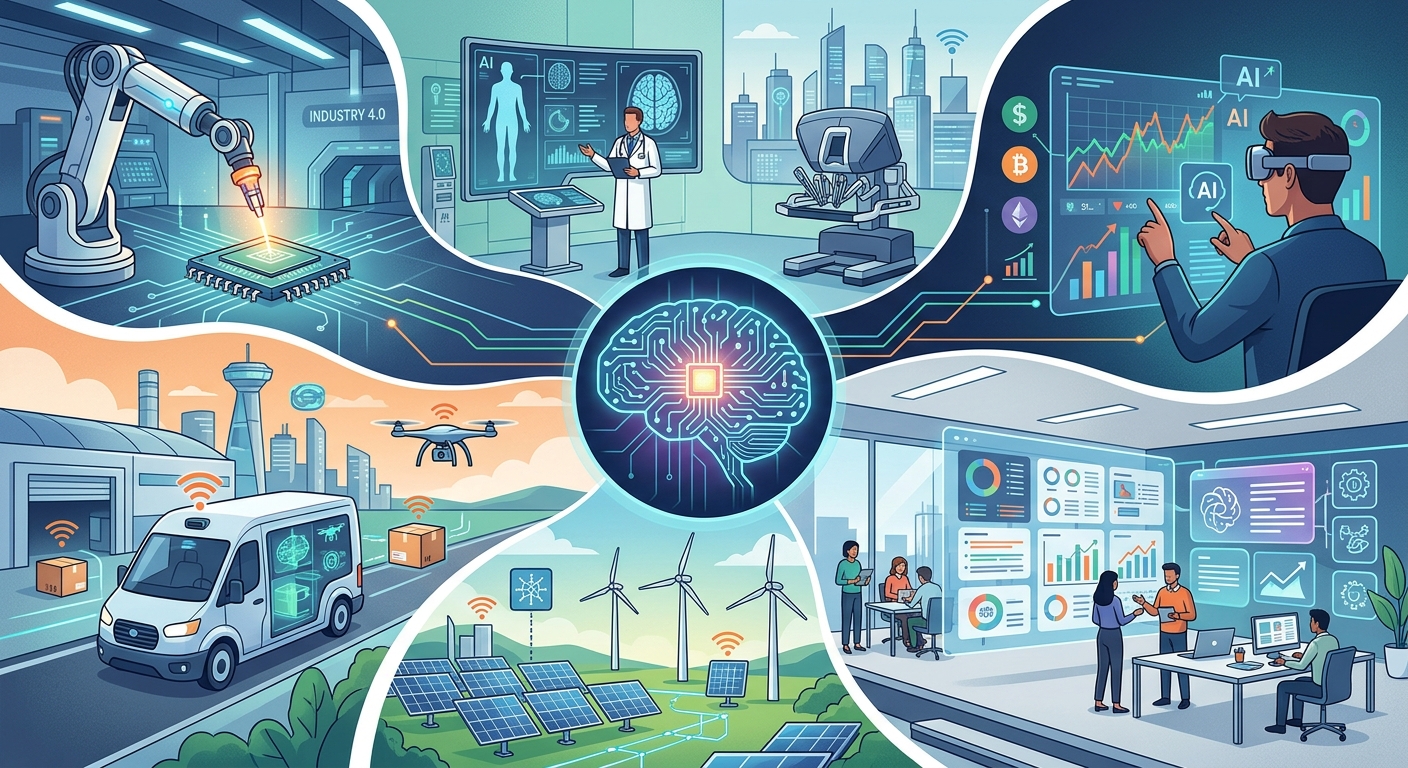
- AI will assist in data analysis, content generation, and personalization.
- Organizations that integrate AI into their workflows will likely see improved creativity and productivity.
Securing AI Agents in the Workforce
As AI becomes more integrated into daily work routines, security becomes paramount. Vasu Jakkal, Corporate Vice President of Microsoft Security, emphasizes the importance of building trust in AI agents by ensuring they have robust security measures.
"Every agent should have similar security protections as humans to ensure agents don’t turn into ‘double agents’ carrying unchecked risk," says Jakkal.
These measures include giving AI agents clear identities and managing their data access to prevent potential security breaches.
Reducing Global Health Disparities with AI
AI's impact on healthcare is set to reduce global health gaps significantly. Dr. Dominic King of Microsoft AI highlights the potential of AI in advancing healthcare access and quality.
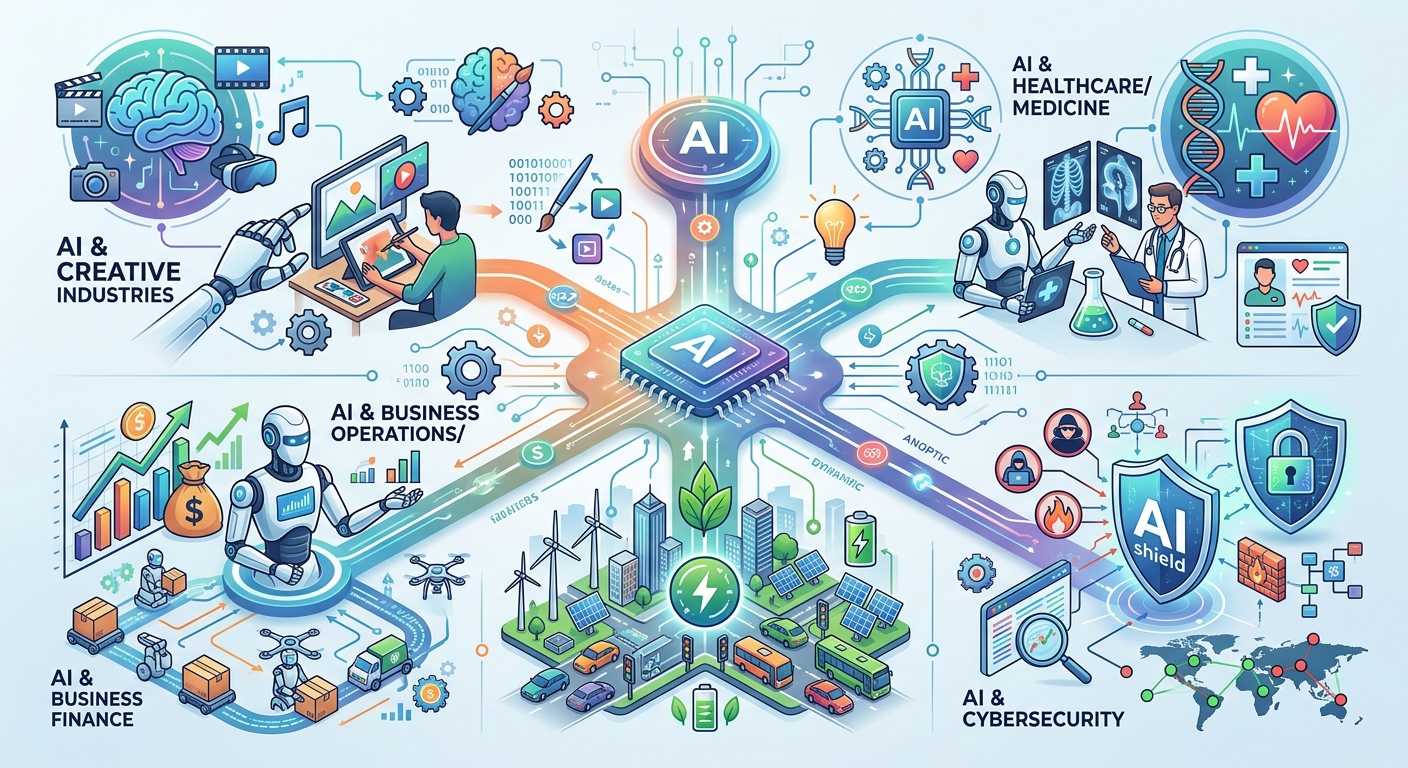
- AI can extend beyond diagnostics into symptom triage and treatment planning.
- Microsoft AI’s Diagnostic Orchestrator achieved 85.5% accuracy in complex medical cases, surpassing the 20% average for experienced physicians.
AI in Scientific Research
AI is rapidly becoming essential in research, driving breakthroughs in fields such as climate modeling and molecular dynamics. Peter Lee, President of Microsoft Research, predicts that AI will not just assist but actively participate in scientific discoveries.
- AI will generate hypotheses and control scientific experiments.
- This collaboration is expected to accelerate research processes.
Conclusion
As AI continues to evolve, its integration into various sectors will not only enhance efficiency but also transform how we approach complex problems. The question remains: How will industries and professionals adapt to these changes to maximize the potential of AI as a true partner in innovation?
// Related Articles
- [IND]
WebX 2026 turns speaker hype into a conference brief
- [IND]
AI Weekly: 2026-07-06 ~ 2026-07-13
- [IND]
The AI Act should be treated as Europe’s operating system for AI
- [IND]
Booz Allen’s OpenAI Deal Is Real Advantage, Not Hype
- [IND]
OpenSearch’s vector search benchmark in 5 parts
- [IND]
Vector Databases That Work in Production