Altimate Code turns dbt SQL into safer agent work
Altimate Code packs 100+ tools and 10 warehouses into a data-engineering harness for safer dbt and SQL agent work.

Altimate Code is an open-source harness that gives AI agents deterministic tools for dbt, SQL, and warehouses.
AltimateAI’s Altimate Code is built for teams that want AI help without blind SQL edits: it ships with 100+ tools, support across 10 warehouses, and benchmarked checks like 100% F1 on SQL anti-pattern detection.
| Item | What it covers | Numeric signal |
|---|---|---|
| SQL Intelligence Engine | Anti-pattern detection, parsing, confidence scoring | 19 rules, 100% F1 |
| Column-Level Lineage | Trace columns through joins, CTEs, subqueries | 100% edge-match |
| Cross-Dialect Translation | Snowflake, BigQuery, Databricks, Redshift, more | 8+ SQL dialects |
| PII Detection | Safety checks before query execution | 15 categories, 30+ regex patterns |
| Data Parity | Row-by-row comparison across warehouses | 12 warehouses, 5 algorithms |
1. SQL Intelligence Engine
Get the latest AI news in your inbox
Weekly picks of model releases, tools, and deep dives — no spam, unsubscribe anytime.
No spam. Unsubscribe at any time.
This is the core reason to try Altimate Code first. It does deterministic SQL analysis instead of asking an LLM to guess, so it can flag issues like SELECT *, cartesian joins, non-sargable predicates, and correlated subqueries with confidence scores.
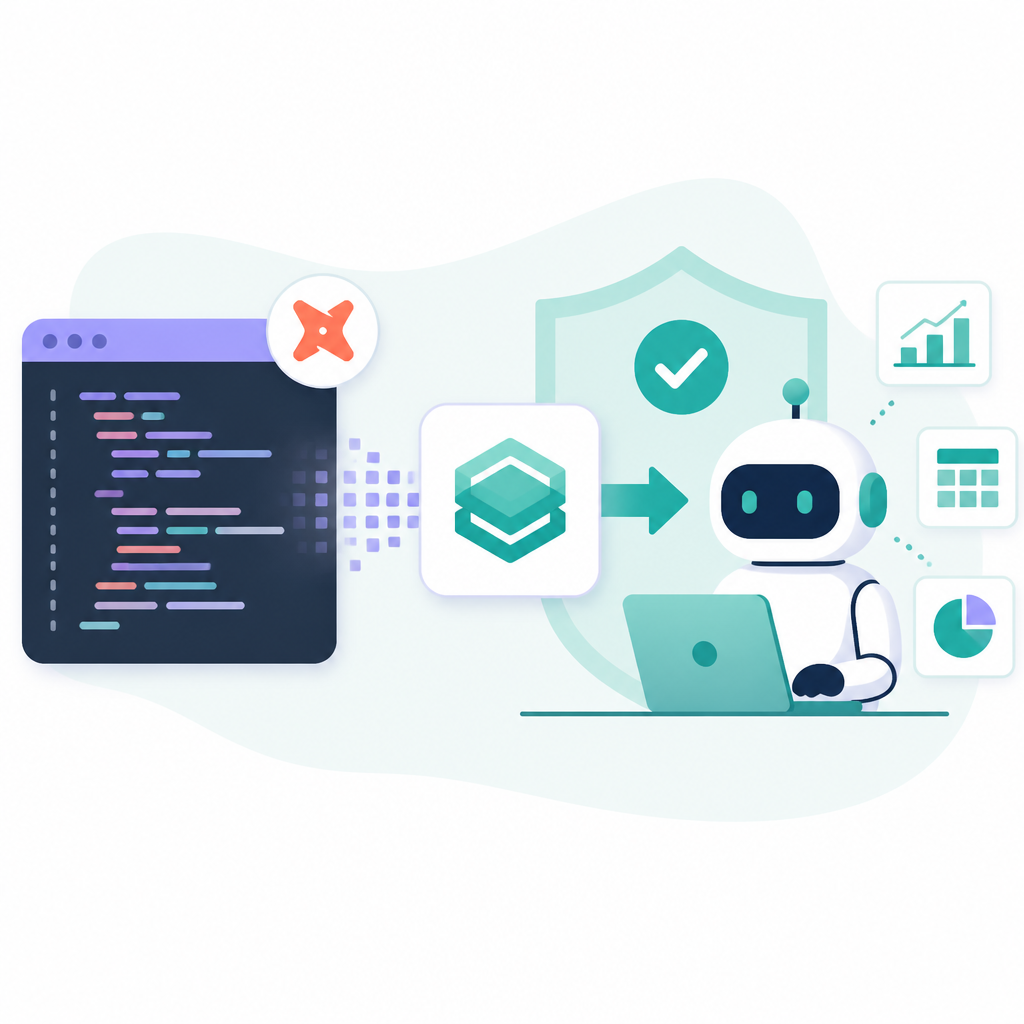
The repo says the engine reached 100% F1 on 1,077 benchmark queries with 19 rules and zero false positives. That makes it useful for query review, agent guardrails, and automated checks in CI.
- 19 rules for anti-pattern detection
- Confidence-scored findings
- Benchmarked on 1,077 queries
- Designed for deterministic output, not pattern guessing
2. Column-Level Lineage
If your team spends time asking where a field came from, this feature is the practical win. Altimate Code can trace a column back through joins, CTEs, and subqueries to its source, which helps with debugging and impact analysis.
The project reports 100% edge-match on 500 benchmark queries. It also works with dbt manifests, so lineage can extend from a single query to a broader project view.
- Tracks lineage across joins and nested SQL
- Works standalone or with dbt manifests
- Useful for refactors and root-cause analysis
- Benchmark: 500 queries, 100% edge-match
3. Cross-Dialect SQL Translation
Teams moving between warehouses usually lose time on syntax drift. Altimate Code includes cross-dialect translation for Snowflake, BigQuery, Databricks, Redshift, PostgreSQL, MySQL, SQL Server, and DuckDB, so an agent can rewrite queries with warehouse context in mind.
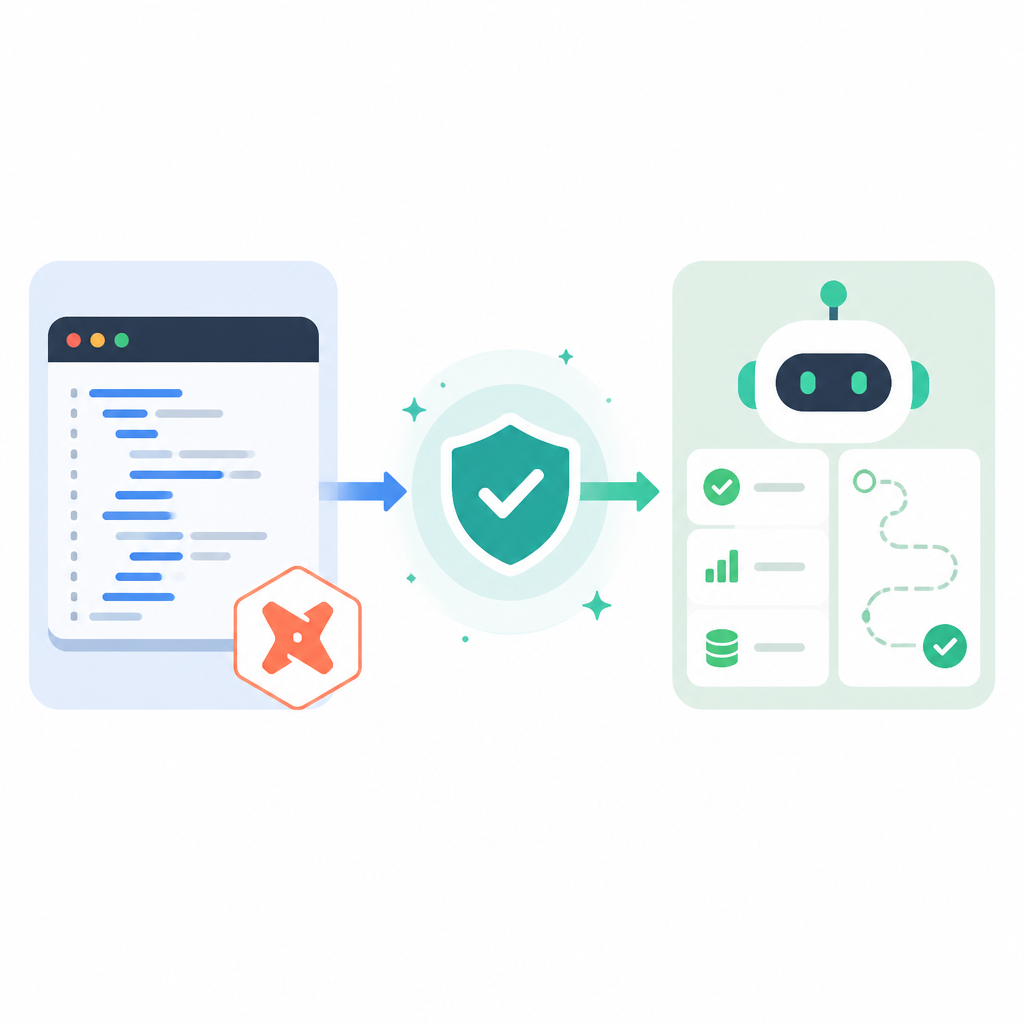
The README frames this as a way to move beyond generic code editing. Instead of just transforming text, the tool layer understands SQL semantics and the target warehouse.
/sql-translate this Snowflake query to BigQuery:
SELECT DATEADD(day, 7, current_date())
4. PII Detection and Safety Checks
For production data work, safety matters as much as speed. Altimate Code scans for PII across 15 categories with more than 30 regex patterns, and it can enforce checks before a query runs.
That makes it a fit for teams that need AI assistance but cannot afford accidental exposure of sensitive columns. The repo positions this as part of a local-first guardrail layer, not an afterthought.
- 15 PII categories
- 30+ regex patterns
- Pre-execution policy checks
- Helpful for regulated or customer-data workloads
5. Data Parity and dbt Automation
Two features make Altimate Code especially useful in warehouse-heavy workflows: row-by-row data parity checks and dbt automation. The parity tool compares tables or query results across 12 warehouses using five algorithms, including hashdiff for no-egress comparisons.
On the dbt side, it can generate tests, scaffolding, and unit tests from the terminal. If your team lives in dbt, this is the part that turns the harness into a daily workflow tool rather than a one-off assistant.
/data-parity prod.orders (Snowflake) vs. analytics.orders (BigQuery), id key
/dbt-unit-tests for models/marts/fct_revenue.sql
How to decide
Pick Altimate Code if you want an AI layer that understands SQL, dbt, warehouse metadata, and data safety instead of just editing files. It fits best for data engineers, analytics engineers, and platform teams that need deterministic checks around agent output.
If your main need is query review, lineage, or warehouse-to-warehouse validation, start with the SQL Intelligence Engine and Data Parity features. If your main need is dbt productivity, the manifest parsing, test generation, and unit-test tools are the strongest entry point.
// Related Articles
- [IND]
Kalshi adds Solana perpetual futures after XRP
- [IND]
MLOps is not optional if you want ML in production
- [IND]
MLOps Zoomcamp maps the path to production ML
- [IND]
Cloudflare Is Too Expensive to Buy After the Surge
- [IND]
TurboVec cuts 10M-vector RAM to 4GB
- [IND]
Midjourney V8.1 now ships as default model