Why Arsenal’s title return to training matters more than the gallery
Arsenal’s return to training after winning the Premier League title shows why champions must reset fast.
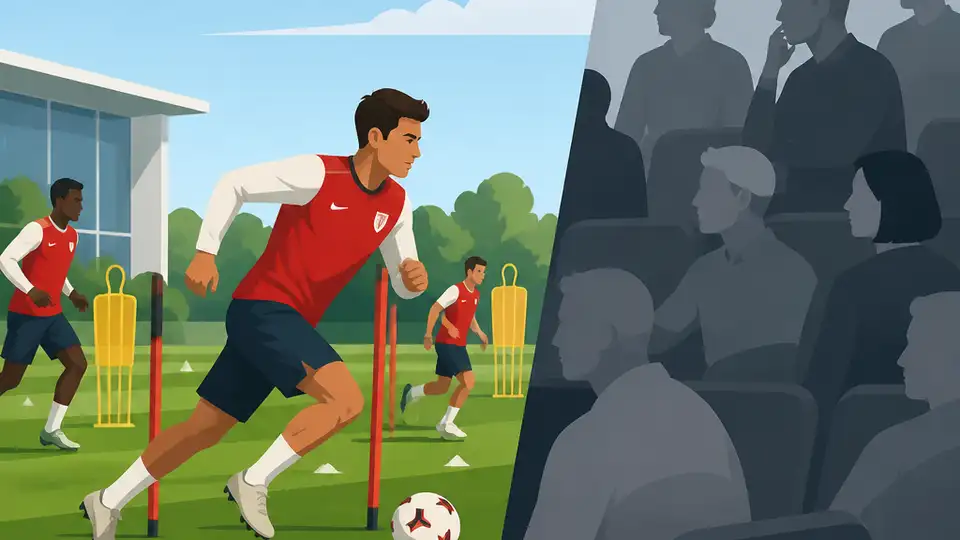
Arsenal’s return to training after winning the Premier League title shows why champions must reset fast.
Arsenal’s first session back after clinching the Premier League title is not a victory lap, it is proof that elite teams win the next game by treating celebration as a pause, not a destination. The club confirmed the title on Tuesday night after Manchester City drew with Bournemouth, ending a 22-year wait and sealing the crown with a game to spare. Two days later, the squad was back at the Sobha Realty Training Centre, already turning toward Crystal Palace and the trophy lift at Selhurst Park. That sequence matters: the champions who keep their edge do not linger in the glow of the moment, they move from achievement to preparation with almost no gap.
First, champions need the reset more than the applause
Get the latest AI news in your inbox
Weekly picks of model releases, tools, and deep dives — no spam, unsubscribe anytime.
No spam. Unsubscribe at any time.
The strongest evidence is in the timing. Arsenal had “two days of glorious celebrations,” then returned to work on Thursday afternoon. That is the right rhythm for a title-winning side because success can become a trap when it expands into a mood rather than a milestone. A team that spends too long basking in the result starts to confuse emotional release with competitive readiness, and the final match becomes a ceremony instead of a professional obligation.
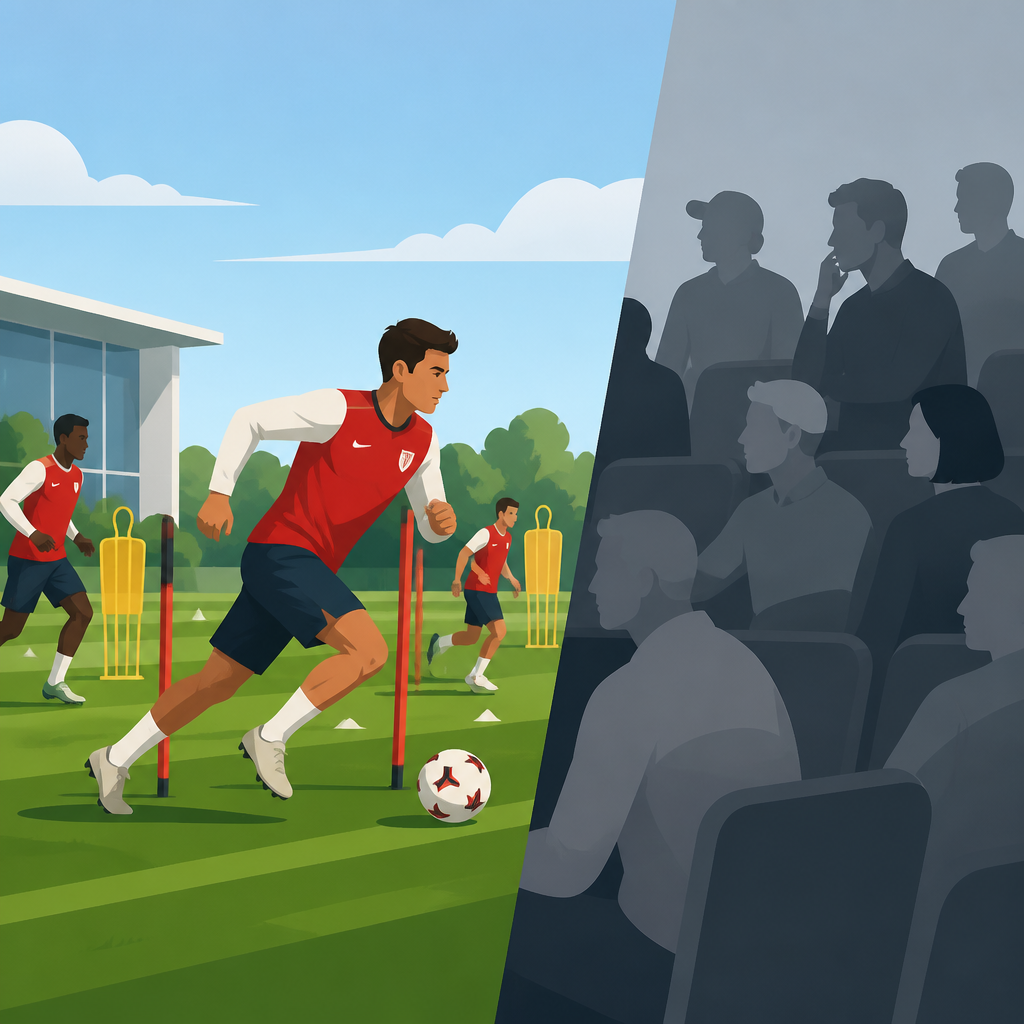
There is also a practical football reason for the quick reset. The season is not over until the last whistle, and Arsenal still had a trip to Selhurst Park ahead, plus a trophy presentation that demanded focus and discipline. Training after the title is not about pretending the achievement did not happen. It is about protecting the standards that created it. The club’s decision to get back on the grass immediately says the title was earned by habits, and habits only survive if they continue after the champagne dries.
Second, the gallery is not fluff, it is part of the message
Club photography often gets dismissed as decorative content, but in this case the 43-image gallery does real work. It shows the players in the setting where the title was built, not just in the aftermath of it. That visual record reinforces the idea that winning is a process, not a parade. For supporters, the images create continuity between the emotional high of clinching the league and the mundane business of training the next day.
Arsenal also understands something modern clubs sometimes miss: image is not separate from culture. Stuart MacFarlane’s photographs are not just souvenirs for fans; they are a public statement about professionalism. They tell the story of a squad that can celebrate as champions and still show up to train as if the next session matters. That is the kind of message a title-winning club should want out in the world, because it turns the trophy into evidence of a system rather than a one-off surge.
The counter-argument
The best case against this view is simple: a title is rare, and rare achievements deserve space. After a 22-year wait, some argue Arsenal should lean harder into the celebration, let the players fully enjoy the moment, and worry less about the final fixture because the league is already won. There is merit to that. Supporters waited decades for this. Players and staff earned a proper release, and football clubs are not factories. Emotion is part of the sport, and a champion that refuses to celebrate risks looking sterile.
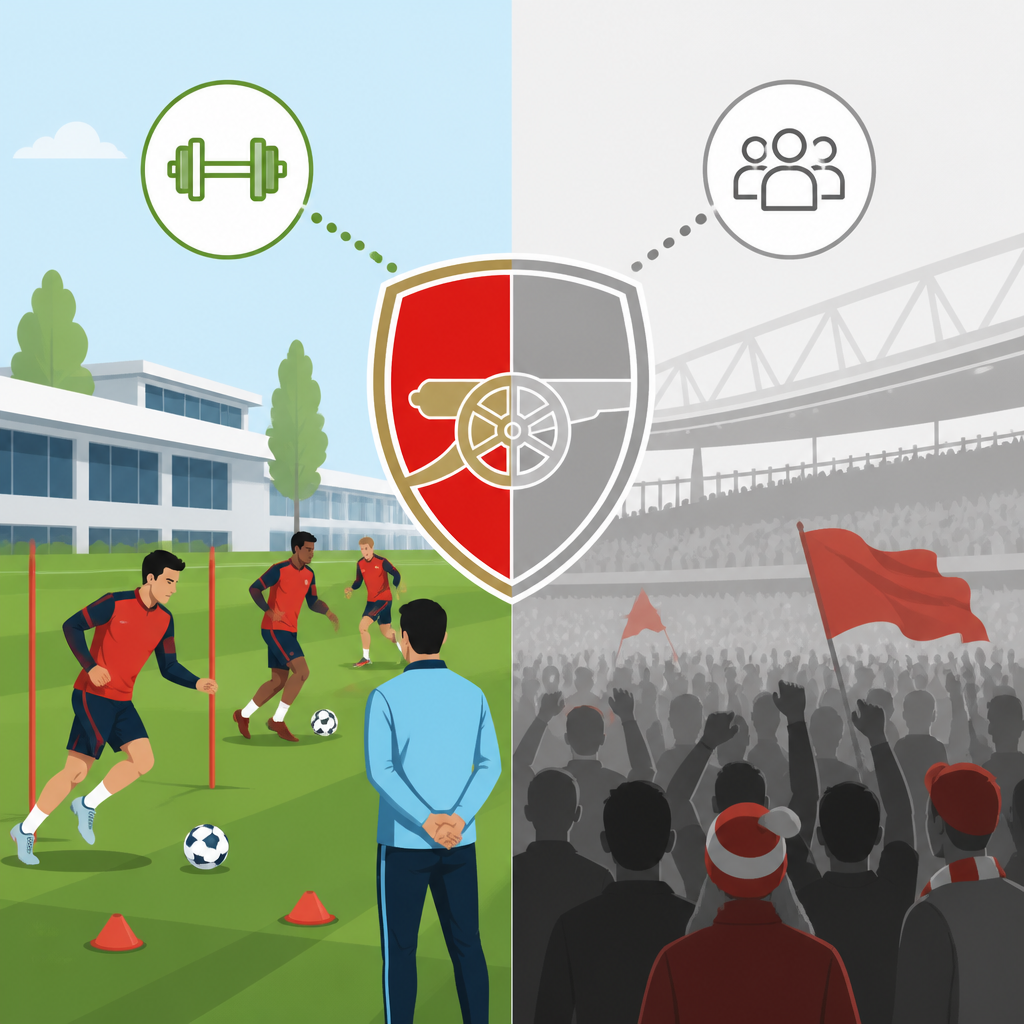
That argument is strongest when it protects the human side of the game. No one should pretend that a title is just another line item in a schedule. But it fails if it treats rest and professionalism as opposites. Arsenal’s approach accepts the celebration and limits it. Two days is enough. Then training resumes. That balance is the point. A title-winning squad does not need a prolonged hangover to prove the joy was real. It needs the discipline to enjoy the moment and still be ready for the next one.
What to do with this
If you are an engineer, PM, or founder, take the lesson literally: after a major win, shorten the celebration window and return to the system that produced the win. Write down the behaviors that made the result possible, protect them from drift, and make the next milestone visible before the current one fades. The point is not to suppress pride. It is to prevent pride from becoming inertia. Arsenal’s return to training shows that the best teams do not confuse finishing first with being finished.
// Related Articles
- [IND]
Korea’s Nvidia talks point to an AI factory push
- [IND]
OpenAI should not rush its IPO just to win the AI race
- [IND]
OpenAI updates its Europe privacy policy
- [IND]
OpenAI is right to keep ads out of sensitive chats
- [IND]
AI bootlegs are already draining streaming royalties
- [IND]
AMD and Microsoft push Windows ML on GPU and NPU