Backrooms Explained: The Complex, Async, and Ending
Kane Parsons’ Backrooms feature explains the Complex, Async, and a finale that may leave Mary’s copy trapped inside forever.
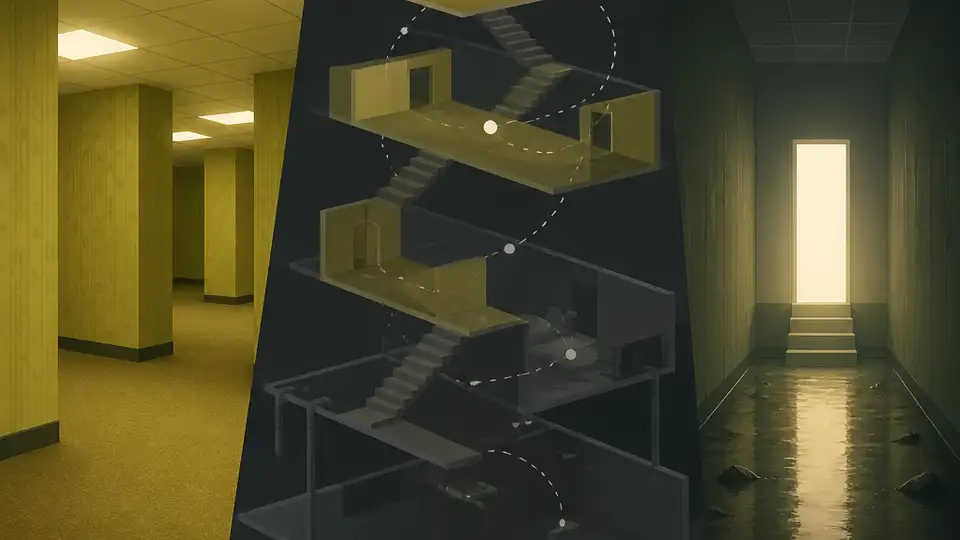
ScreenCrush breaks down the Backrooms movie’s Complex, Async, and ambiguous ending.
Published May 28, 2026, ScreenCrush’s guide to Backrooms unpacks how Kane Parsons turned a viral creepypasta into a feature-length horror puzzle. The film follows Clark, played by Chiwetel Ejiofor, and Mary, played by Renate Reinsve, as they move through a space called the Complex while a group named Async circles the mystery.
| 項目 | 數值 |
|---|---|
| Publication date | May 28, 2026 |
| Feature lead | Chiwetel Ejiofor |
| Mary | Renate Reinsve |
| Original shorts | More than 20 |
What changed
Get the latest AI news in your inbox
Weekly picks of model releases, tools, and deep dives — no spam, unsubscribe anytime.
No spam. Unsubscribe at any time.
The article traces the story back to the original Backrooms creepypasta, built from a single image of an empty store with yellow carpet and worn wallpaper. From there, Parsons expanded the idea in January 2022 with The Backrooms (Found Footage), then kept adding to the mythology through more than 20 YouTube shorts before releasing the feature film in May 2026.
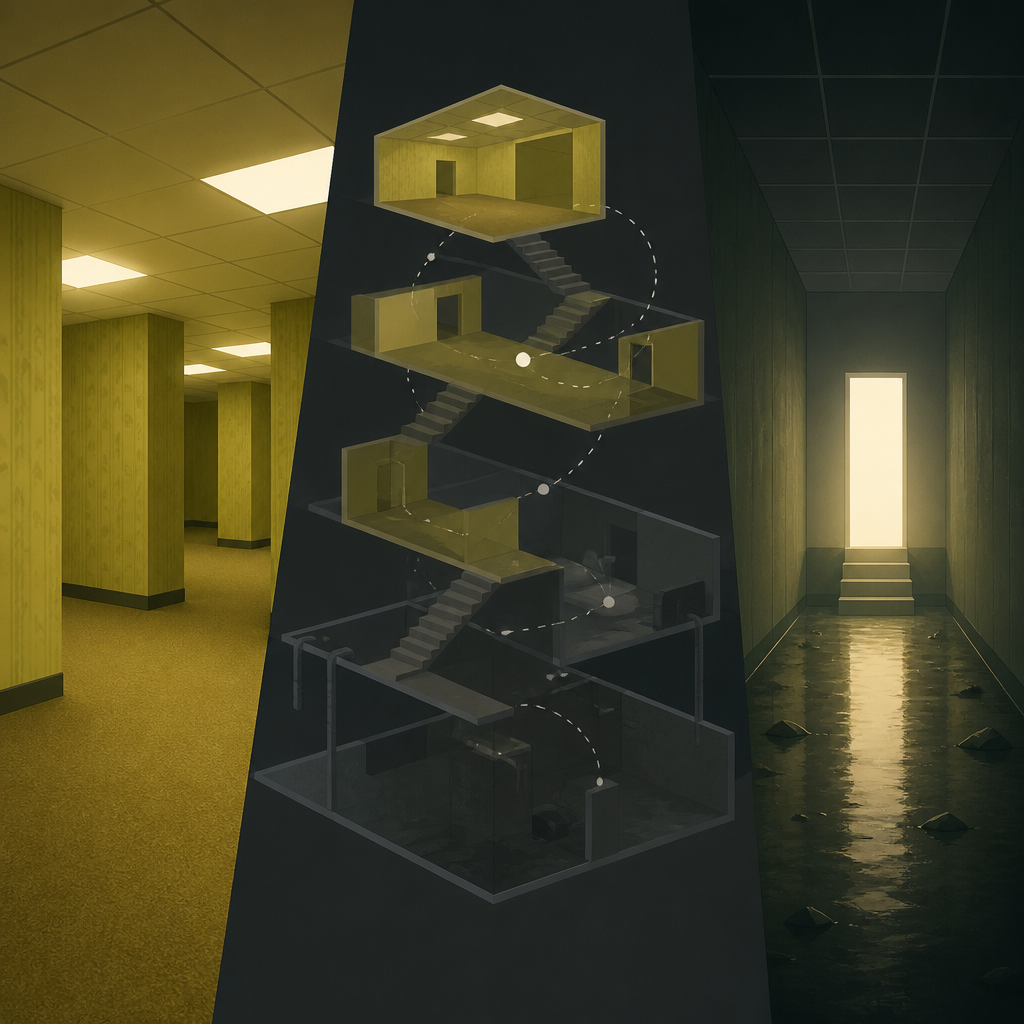
In this version, the Backrooms are also called the Complex, a huge space with no known boundary, hidden portals, and impossible architecture. The film and earlier shorts suggest Async Research Institute built a Threshold into the Complex, sent researchers inside, and may have wanted to use it for practical gain, including long-distance shipping.
- Clark finds a portal in his furniture store basement.
- Async once made MRI machines before discovering the Complex.
- The Threshold is the doorway Async built into the space.
- The movie links the setting to a copy-making effect inside the Complex.
Monsters appear in both the shorts and the film, but the article says the bigger reveal is what they may actually be: copies of people who entered the Complex. Clark claims the originals can leave while the copies stay behind forever, and the film shows Mary meeting distorted versions of Clark, including one in a pirate costume tied to his commercials.
Why it matters
The ending turns the horror into a story about identity, memory, and trauma. Mary’s childhood flashbacks show a shut-in mother, covered windows, and a home that felt sealed off from the outside world, which mirrors the claustrophobic logic of the Backrooms itself.
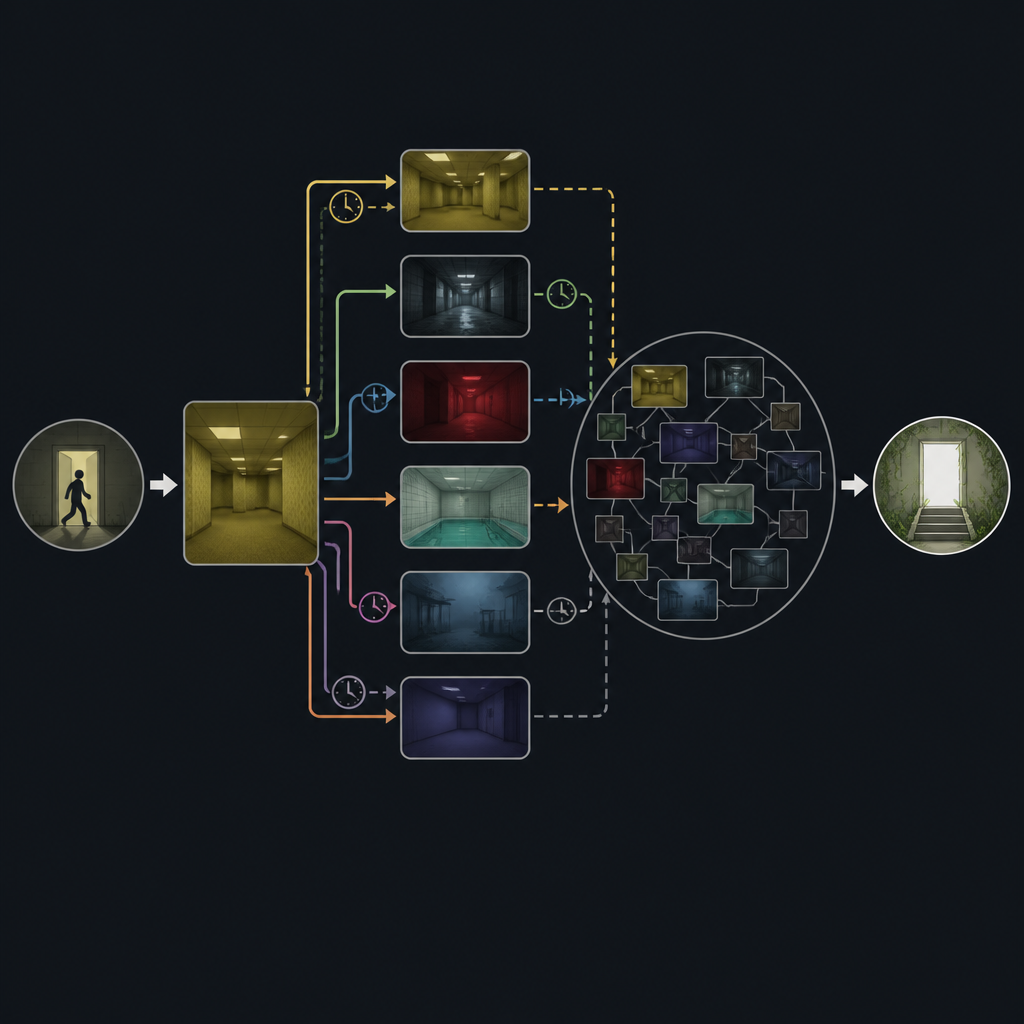
That makes the final scene more than a jump-scare tease. If Mary escaped, her copy may still be trapped in the Complex; if the Mary we see is the copy, then the film becomes a story about a self that cannot tell it has been left behind. Either reading gives developers of franchise lore a clean rule: the Complex does not just trap bodies, it traps versions of people too.
The article’s sharpest point is that Backrooms works because it keeps its mechanics unstable. It gives viewers enough rules to follow, then leaves the ending open enough to support multiple readings, which is exactly how a modern horror property keeps its myth alive.
// Related Articles
- [IND]
OpenAI should not rush its IPO just to win the AI race
- [IND]
OpenAI updates its Europe privacy policy
- [IND]
OpenAI is right to keep ads out of sensitive chats
- [IND]
AI bootlegs are already draining streaming royalties
- [IND]
AMD and Microsoft push Windows ML on GPU and NPU
- [IND]
OpenAI’s IPO filing turns hype into scrutiny