Why FIFA’s ‘Headliner’ Labels Don’t Matter in the BTS-Lisa Fan War
FIFA’s billing language is fueling fandom rivalry, but it does not change the real significance of BTS and Lisa’s bookings.
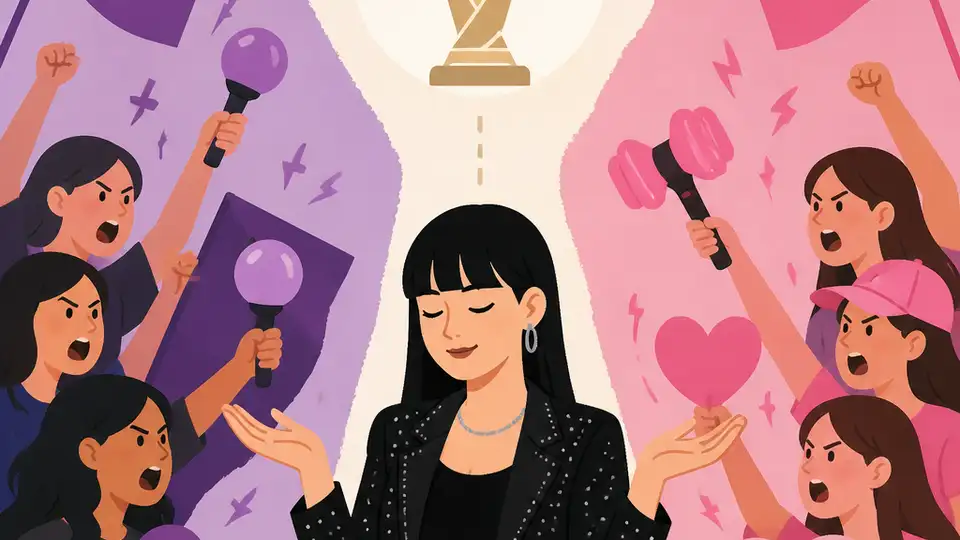
FIFA’s billing language is fueling fandom rivalry, but it does not change the real significance of BTS and Lisa’s bookings.
Fandoms are arguing over the wrong thing: FIFA’s “headliner” labels do not decide status, impact, or cultural value, and the BTS-Lisa dispute proves how easily marketing language can be mistaken for a ranking system.
Look at the actual announcements. FIFA named BTS as co-headliners for the first World Cup final halftime show, a high-visibility slot tied to the tournament’s first-ever final halftime performance. FIFA also called Lisa one of the headliners for the U.S. opening ceremony, where Katy Perry tops the bill. Those are both premium placements, and both are historic in different ways. The argument over which word sounds bigger is a fan-driven spreadsheet contest, not a meaningful reading of the event.
First, the billing language is promotional, not judicial
Get the latest AI news in your inbox
Weekly picks of model releases, tools, and deep dives — no spam, unsubscribe anytime.
No spam. Unsubscribe at any time.
Event organizers use billing to shape attention, not to issue a formal hierarchy of artistic worth. FIFA’s own framing makes that clear. It described the Los Angeles ceremony around “the cultural diversity of the United States and the vibrancy of its many diasporas,” which is a programming statement, not a ranking memo. The words “headliner” and “co-headliner” help sell the moment, but they do not create a universal scoreboard.
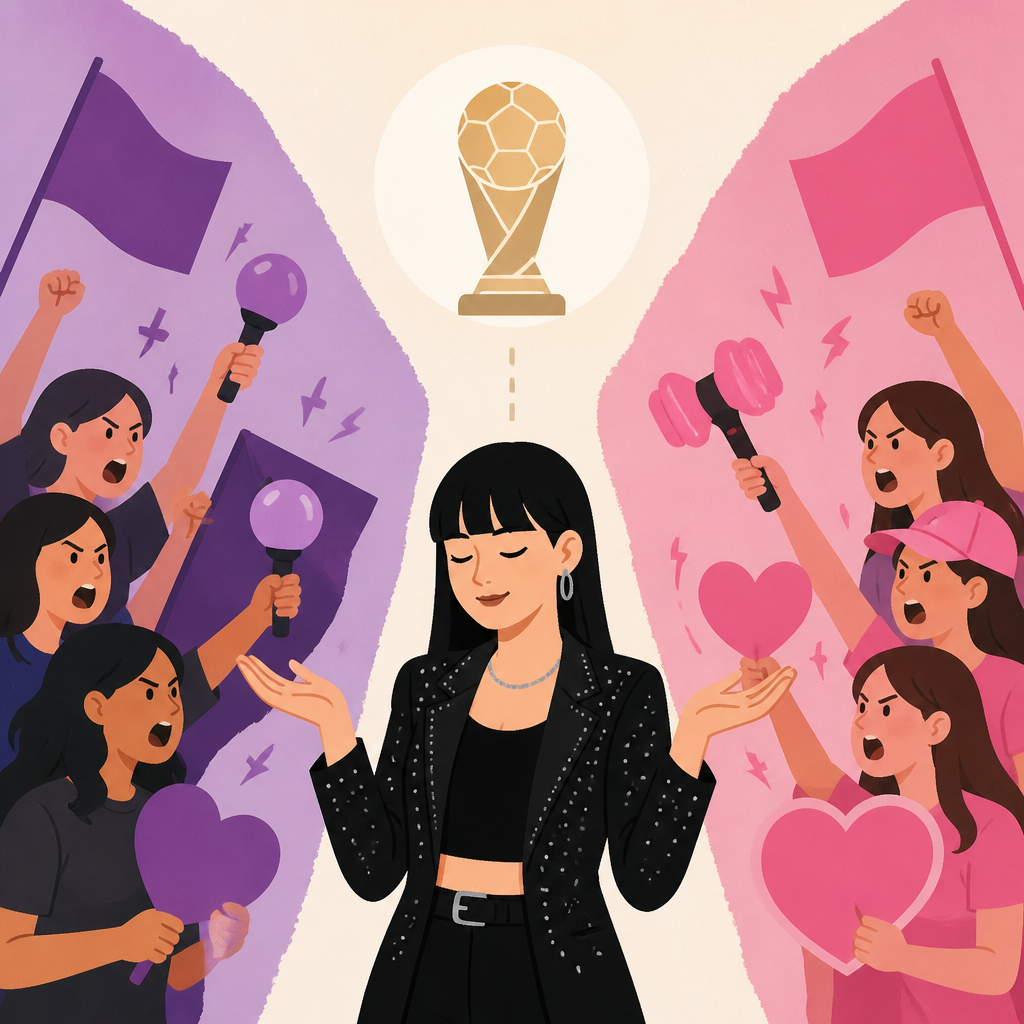
The clearest evidence is the structure of the shows themselves. BTS are attached to the final halftime show at MetLife Stadium, a first for a World Cup final, while Lisa is part of the opening ceremony at SoFi Stadium, another marquee event. One is not automatically “better” because the label reads differently. In live entertainment, placement depends on format, audience, and broadcast narrative. Fans who treat wording as proof of superiority are reading ad copy as if it were law.
Second, the real story is the scale of the milestone
Lisa’s booking matters because it is a first on two fronts: she is the first female K-pop solo artist and the first Thai artist to perform at a World Cup ceremony. That is the kind of fact that survives fan noise. It expands the visible range of who gets centered on a global stage, and it does so in a tournament that reaches far beyond K-pop’s core audience. The cultural significance is in the precedent, not the phrasing.
BTS’s booking carries its own weight for the same reason. The final halftime show is the first in World Cup history, and BTS are part of a lineup that includes Madonna and Shakira, with the performance curated by Coldplay’s Chris Martin and produced by Global Citizen. That is not a consolation prize. It is a rare booking attached to a new event format and a charity-linked global broadcast. The milestone is the point, because the milestone is what extends the group’s reach beyond stan discourse.
The counter-argument
To be fair, fandoms are not inventing the entire issue. In pop culture, billing often signals commercial priority, media attention, and perceived prestige. If one act is called a headliner while another is described as part of a broader lineup, fans will read that as a status distinction. That interpretation is understandable because entertainment industries do use language to sort attention, and audiences have been trained to notice it.

Still, that logic breaks down here because FIFA is running two different event types with different roles. The opening ceremony and the final halftime show are not interchangeable, and the top line in one context does not cancel the significance of the other. The better reading is simple: both acts were booked for globally visible, historically notable moments. The label fight is a branding dispute, not a factual one.
What to do with this
If you are an engineer, PM, or founder working near fandom, media, or creator products, stop optimizing for the loudest label and start optimizing for the clearest context. Show placement, event type, and role should be explicit in your UI, metadata, and press copy so audiences do not fill in the blanks with rivalry. If you work in entertainment or platform strategy, the lesson is sharper: when a milestone is real, make the milestone legible. Words matter, but only when they describe substance. In this case, the substance is simple: FIFA gave BTS and Lisa major global stages, and the fan war is noise around that fact.
// Related Articles
- [IND]
Korea’s Nvidia talks point to an AI factory push
- [IND]
OpenAI should not rush its IPO just to win the AI race
- [IND]
OpenAI updates its Europe privacy policy
- [IND]
OpenAI is right to keep ads out of sensitive chats
- [IND]
AI bootlegs are already draining streaming royalties
- [IND]
AMD and Microsoft push Windows ML on GPU and NPU