LA County Fair guide turns one weekend into a plan
I break down the fair’s final-weekend highlights and turn the article into a copy-ready plan for what to hit before Sunday.
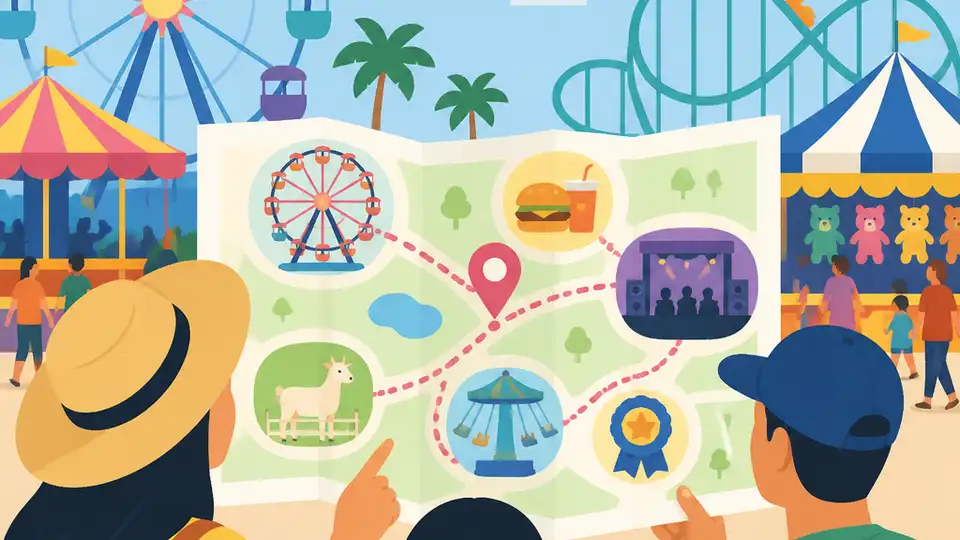
A copy-ready plan for the LA County Fair’s final weekend highlights.
I’ve been to enough fairs to know the problem: the last weekend always sounds simple right up until you’re standing at the gate, hungry, tired, and weirdly determined to “see everything.” That’s how I end up missing the one thing I actually wanted. I tell myself I’ll catch the oddball exhibit after lunch, then the food line gets long, then the kids want a ride, then suddenly the place is closing and I’ve somehow spent three hours walking in circles.
This Daily Bulletin piece about the LA County Fair’s final weekend is short, but it gave me the right kind of reminder. Not a grand preview. Just a nudge: if you’re going, you need a plan. I’ve learned that fairs reward people who decide what they’re there for before they get distracted by kettle corn and a loud announcer. So I’m going to break this down the way I wish someone had done for me: what the article is really saying, what to prioritize, and how to turn a vague “we should go” into an actual weekend itinerary.
And yes, I’m also going to give you a copy-paste template at the end, because otherwise this is just me complaining about fair logistics like a person who has definitely paid too much for lemonade.
The article is really a last-call checklist, not a preview
Get the latest AI news in your inbox
Weekly picks of model releases, tools, and deep dives — no spam, unsubscribe anytime.
No spam. Unsubscribe at any time.
The L.A. County Fair is kicking off its final weekend of the 2026 season, and it’s your last chance to catch fair bites and delights.
What this actually means is: stop treating the fair like an endless summer option. The article is framed as a reminder that the season is ending, and that matters because scarcity changes behavior. When I read it, I didn’t think “news.” I thought “deadline.”
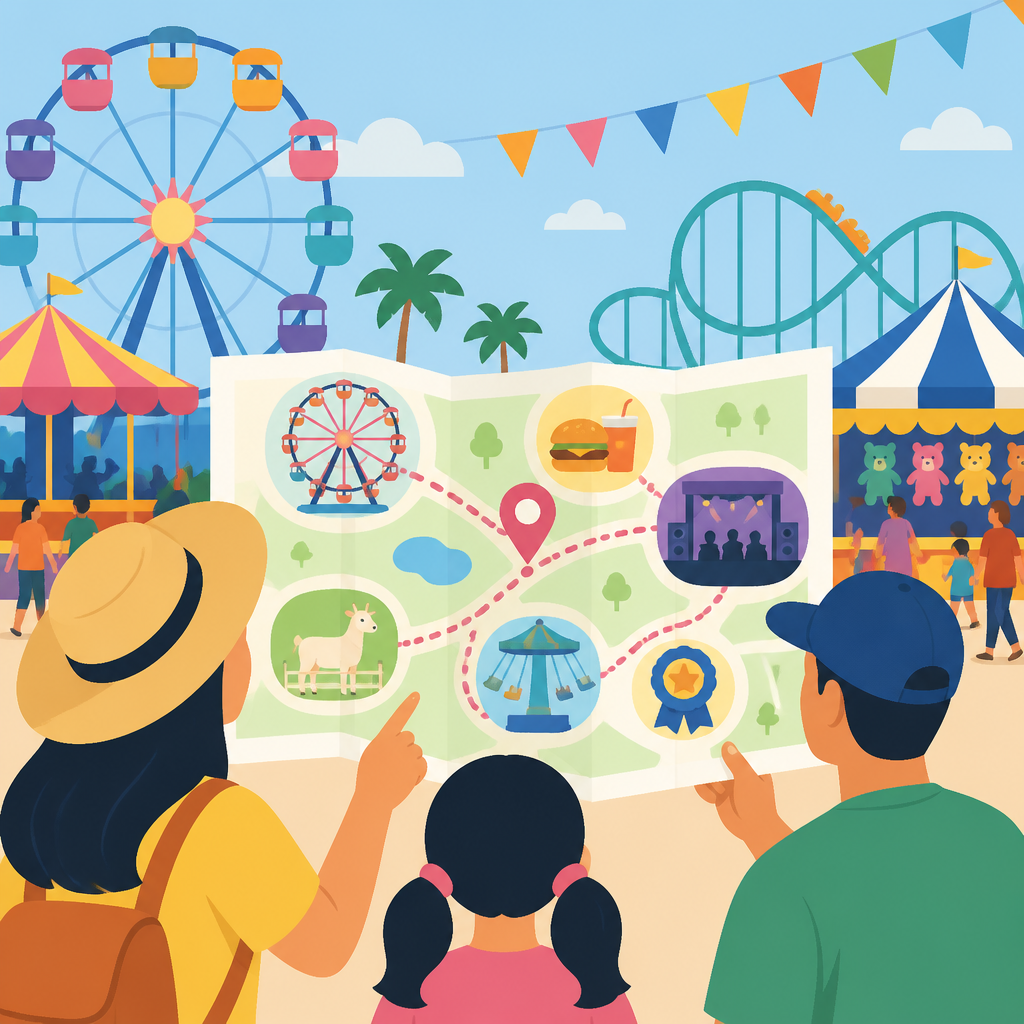
The piece gives you a simple window: Thursday, May 28 through Sunday, May 31. That’s the whole point. If you were waiting for a less crowded day, a better weather day, or a day when everyone in your group magically agrees, this is the article telling you that the clock is already running out.
I’ve made this mistake at events before. I keep a mental list of “I’ll do that later” items, and later never comes because the event itself is a distraction machine. Fairs are especially good at this. They’re designed to scatter your attention. Food here, rides there, music somewhere else, random exhibit you didn’t expect to care about but now absolutely need to see. The article’s value is that it compresses the decision-making. It says: go now, not eventually.
How to apply it: decide before you leave home what “success” looks like for this trip. Not everything. Just one or two anchor goals. Example: one food item, one exhibit, one show. If you try to do the whole fair in one pass, you’ll end up doing none of it well.
- Pick one must-eat item before you arrive.
- Pick one non-food attraction you refuse to miss.
- Pick one time block for wandering without a plan.
The fair’s best stuff lives in the overlooked corners
The article points out a few specific things worth catching before the season ends: the Bob Barker Marionette Theater near the entrance to the Great Outdoors, the giant Coqui frog art installation, and the last chance to catch a concert, with Ramon Ayala closing the series on Sunday night. That’s not random filler. That’s the actual map of what you’ll regret missing.
I like this part because it tells me where the writer thinks the value is, and it’s not just the obvious stuff. Sure, the rides are there. The food is there. But the article nudges you toward the weird, memorable, photo-friendly, story-worthy pieces. That’s the stuff people actually talk about later.
I ran into this exact pattern at another fair years ago. I kept walking past the smaller exhibits because I was convinced the “main” attractions were the point. By the end of the day, the thing I remembered most wasn’t the headline ride. It was a tiny display tucked into a side path that took five minutes to see and somehow stuck with me longer than the expensive stuff. That’s the fair experience in a nutshell. The side quest often beats the main quest.
How to apply it: build your route around one or two oddball stops. If you only go after the obvious attractions, you’ll spend most of your time in the same crowds as everyone else. A better plan is to use the article’s named spots as anchors, then fill the gaps with whatever is nearby.
- Start with the exhibit or show you’d be annoyed to miss.
- Walk the perimeter instead of backtracking through the busiest center lanes.
- Use the “near the entrance” clue to catch the first thing on your list early.
Food is the trap, so make it part of the plan
The article opens with “fair bites and delights,” which is doing more work than it looks like. That phrase is a warning. If you go in hungry and undecided, food becomes the whole experience, and then you’ve spent your evening standing in line for the one thing you could have planned around.

That’s not me being anti-food. I love fair food. I just don’t trust myself around it. The minute I smell fried anything, my brain becomes useless. So I’ve learned to treat food like a scheduled stop, not a wandering impulse. The article doesn’t list a full food crawl, but it does remind you that this is part of the fair’s identity. You’re supposed to eat there. You’re not supposed to “maybe grab something later” and then leave with a headache.
What this actually means is that your food decision should be narrow. One savory thing, one sweet thing, done. If you want to sample more, split items with other people. Otherwise you’ll fill up too early and complain the rest of the night that you “wish you had room for the good stuff.” I say this from experience, unfortunately.
How to apply it: eat a real snack or light meal before you arrive, then budget your fair food like a mission, not a buffet. If you’re going with a group, assign one person to scout and another to hold the table. It sounds silly until you’ve lost your seat and your food in the same ten minutes.
Also, don’t forget water. I know. Boring. But fair walking plus fried food plus May heat is a bad mix, and I’d rather be the annoying person with a bottle than the person buying a $7 drink because I forgot basic adulting.
The entertainment mix is built for different kinds of attention spans
One thing I appreciate about the article is that it doesn’t pretend the fair is one single experience. It mentions the concert, the skate rink, Retro Row, the silent disco, and the family-friendly rides in the photo spread. That tells me the fair is trying to cover a lot of moods at once.
That matters because people don’t go to fairs for the same reason. Some people want nostalgia. Some want live music. Some want the kids to burn off energy. Some want to sit in shade and watch the chaos from a safe distance. The article gives you enough clues to match the fair to your own reason for showing up.
I’ve found that if I don’t decide my mode before I enter, I end up fighting the event itself. I’ll drag one person toward an exhibit while another wants rides and someone else wants to sit down. That’s when the day gets annoying. But if I say, “We’re doing nostalgia and snacks tonight,” the fair suddenly makes sense. The article is useful because it quietly supports that kind of decision.
How to apply it: pick a lane before you arrive. If you want family time, focus on rides and playful exhibits. If you want a date night, use the concert, the silent disco, and one food stop. If you want nostalgia, prioritize Retro Row and the skate rink. The fair is broad enough to support all three, but not all three at once without friction.
- Family mode: rides, hands-on exhibits, early arrival.
- Date mode: food, concert, late-night wandering.
- Nostalgia mode: Retro Row, skating, photo stops.
The article’s real advice is hidden in the timing
The fair runs 11 a.m. to 11 p.m. daily through May 31, and that detail matters more than it looks like. Long hours sound generous, but they also tempt you into bad pacing. If you arrive too late, you miss half the day. If you arrive too early without a plan, you burn out before the evening stuff even starts.
That’s why I read the timing as a workflow problem. The article is telling you the fair is open long enough to support multiple styles of visit, but only if you’re intentional. I’ve had too many “we’ll just go whenever” outings turn into rushed, miserable loops because we didn’t respect the clock. A fair is not a place where time disappears. It’s a place where time gets expensive.
What this actually means is that you should choose an arrival window based on what you care about most. Early if you want lower friction and more daylight. Mid-afternoon if you want a blend of food and wandering. Evening if you want the lights, music, and full fair atmosphere. The article doesn’t spell that out, but it gives you the hours to make the choice yourself.
How to apply it: set a hard arrival time and a hard exit time. I know that sounds unromantic, but it saves the day. Without boundaries, the fair expands to fill your entire schedule and somehow still leaves you feeling like you missed something.
The final-weekend mindset should be selective, not greedy
This is the part I wish more event coverage did well. The article doesn’t try to sell the fair as an all-day conquest. It points to a handful of things and says, basically, don’t leave without seeing these. That’s a better strategy than trying to cover every square foot of the place.
I’ve learned to be suspicious of my own “we can do it all” energy. That energy is how you end up with tired feet, too many receipts, and zero memory of the thing you were most excited about. Selective visits are better. You leave with a couple of good stories instead of one giant blur.
How to apply it: before you go, write down three targets and ignore everything else unless it happens naturally. That’s it. Three. Not twelve. Not “all the food.” Not “every exhibit.” Three targets is enough to make the trip feel complete without turning it into a scavenger hunt you hate halfway through.
If you’re going with kids, this gets even more important. Kids don’t need a full fair strategy. They need a few exciting moments and a place to sit down. If you try to optimize the day too hard, you’ll end up creating stress for everyone. The article’s short list of highlights is actually a gift because it helps you keep the plan small.
The template you can copy
LA County Fair final-weekend plan

Date window:
- Thursday, May 28 through Sunday, May 31
- Fair hours: 11 a.m. to 11 p.m.

My 3 targets:
1. Must-see exhibit or show: ____________________
2. Must-eat food item: ____________________
3. Must-do activity: ____________________

Suggested route:
- Arrive at: ____________________
- Start with: ____________________
- Next stop: ____________________
- Food break at: ____________________
- Last stop before leaving: ____________________

If I’m going for nostalgia:
- Retro Row
- Skate-R-Kade
- Silent disco

If I’m going for family time:
- Rides
- Hands-on exhibits
- One sit-down break every 90 minutes

If I’m going for a date night:
- One shared food stop
- One live performance
- One photo-worthy walk-through area

Rules I’m following:
- I will not try to do everything.
- I will pick food before I get hungry.
- I will leave with one thing I actually remember.

Backup plan if the fair is crowded:
- Skip the longest line
- Go to the next closest exhibit
- Come back only if time allows

Exit check:
- Did I hit my 3 targets?
- Did I eat something I wanted?
- Did I enjoy the parts I came for?

If yes, the trip was worth it.
The template above is my version of the article’s real message: the fair is in its final weekend, so stop hovering and make a plan. I turned that into a simple checklist because that’s what I actually use when I’m trying not to waste a day on indecision.
Most fair guides tell you what exists. This one, once I stripped away the noise, told me how to behave. That’s the useful part.
Source attribution: Original reporting and photos are from the Daily Bulletin article by Mercedes Cannon-Tran. My breakdown and template are my own interpretation of that coverage, not a reproduction of the article.
// Related Articles
- [IND]
Gemini lands inside Apple’s developer stack
- [IND]
Five AI coding IDEs that fit real workflows
- [IND]
Devin Desktop turns Windsurf into an agent hub
- [IND]
Korea’s Nvidia talks point to an AI factory push
- [IND]
OpenAI should not rush its IPO just to win the AI race
- [IND]
OpenAI updates its Europe privacy policy