McClain Says Veterans Need Votes, Not Salutes
Rep. Lisa McClain argues Memorial Day honor must come with votes, citing VA backlog gains, troop reinstatements, and $157B in funding.
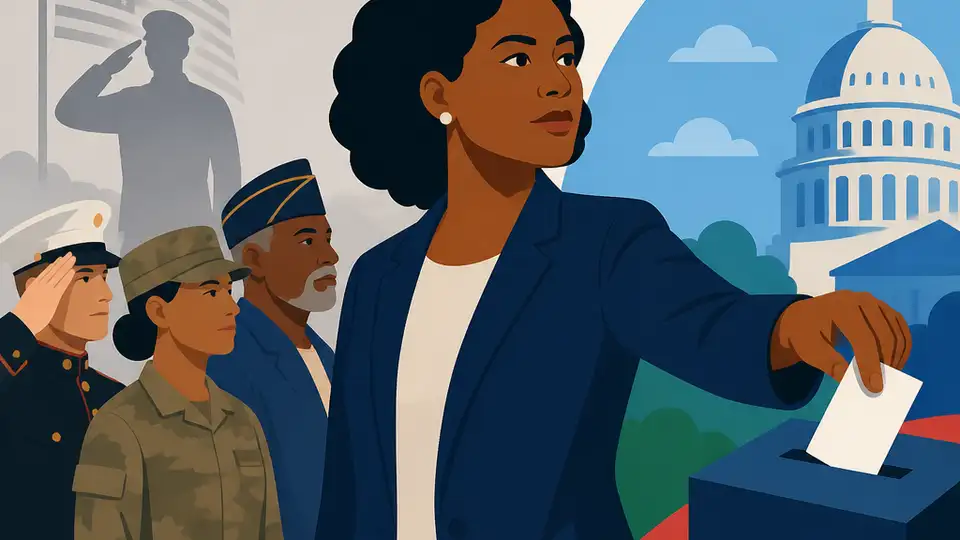
Rep. Lisa McClain says Memorial Day respect means passing bills that fix veterans’ care.
On Memorial Day 2026, Rep. Lisa McClain argued that the real test of patriotism is legislative action, not ceremony. Her case rests on a few hard numbers: the Department of Veterans Affairs benefits backlog rose 24% under Biden, then fell 63% under Trump, while House Republicans backed a $157 billion veterans and military funding bill.
| Metric | Figure | What McClain says it shows |
|---|---|---|
| VA benefits claim backlog | +24% | Veterans waited longer during the Biden years |
| VA benefits claim backlog under Trump | -63% | Claims moved faster after the administration change |
| Military construction and veterans funding bill | $157 billion | House Republicans say they are backing care and readiness |
| Troops discharged under COVID vaccine mandate | More than 8,700 | McClain frames this as a recruiting and readiness failure |
McClain’s Memorial Day message is about policy, not ceremony
Get the latest AI news in your inbox
Weekly picks of model releases, tools, and deep dives — no spam, unsubscribe anytime.
No spam. Unsubscribe at any time.
McClain’s op-ed is built around a simple point: veterans do not need more polished language from Washington, they need Congress to vote for programs that actually work. That framing matters because Memorial Day often turns into a ritual of speeches, wreaths, and social media posts, while the fight over claims, care, housing, and disability benefits keeps grinding on in the background.
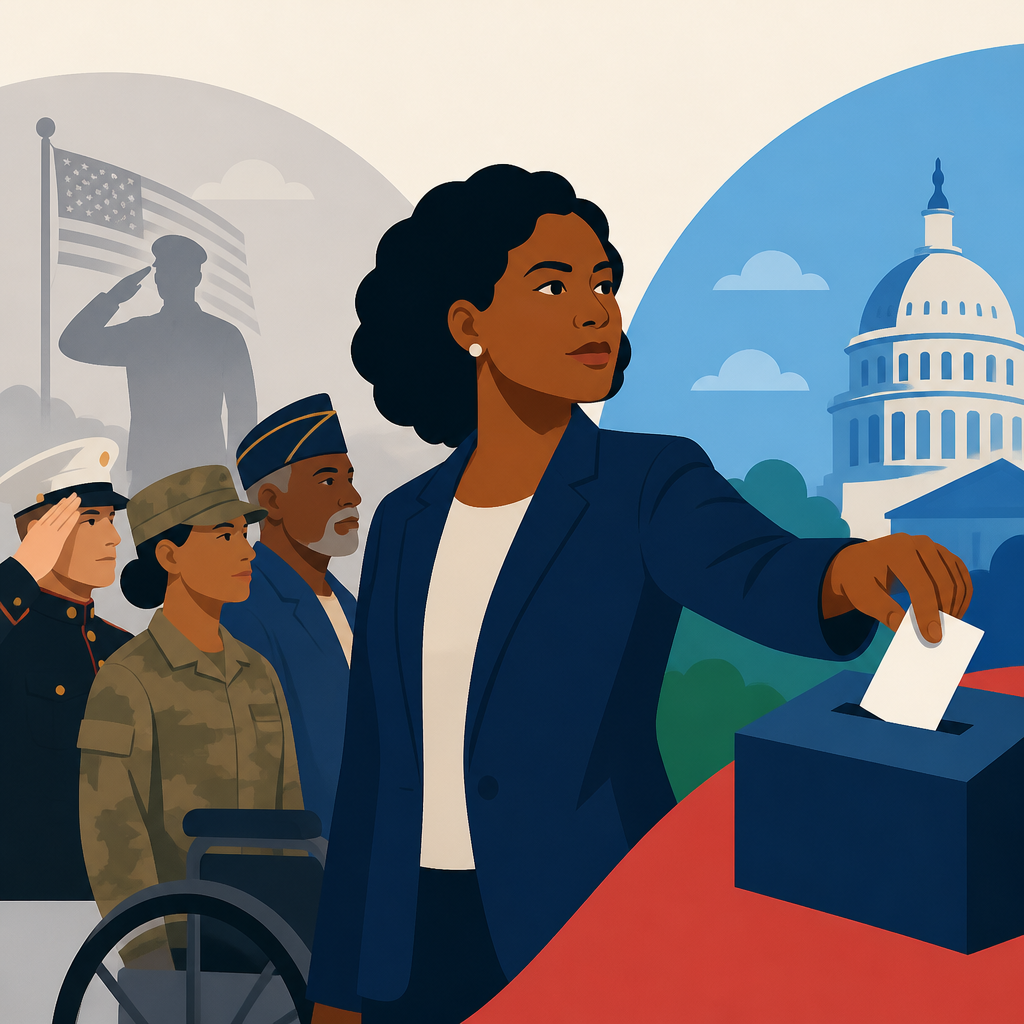
She ties that argument to the VA disability system, where delays can shape a veteran’s finances, housing, and access to care. The 24% backlog increase under Biden is the number she uses to show failure. The 63% drop under Trump is the number she uses to show what faster processing looks like when the White House makes it a priority.
The political message is blunt: if a party votes against bills that speed up care or expand benefits, then Memorial Day tributes ring hollow. McClain is aiming that criticism at Democrats, but the broader point is bigger than party labels. Veterans notice when lawmakers show up for a ceremony and then stall on the vote that would change a claim, a benefit check, or a family’s access to support.
- Backlog up 24% under Biden
- Backlog down 63% under Trump
- $157 billion appropriations package for troops, veterans, and families
- More than 8,700 service members discharged under the vaccine mandate
The bills McClain highlights are where the fight gets real
McClain points to the House Veterans’ Affairs Committee as the place where rhetoric turns into votes. She says Republicans advanced the Veterans ACCESS Act to give veterans more control over where they receive care, while every Democrat on the committee voted against it. She also cites the Sharri Briley and Eric Edmundson Veterans Benefits Expansion Act, which would increase support for disabled veterans and surviving family members.
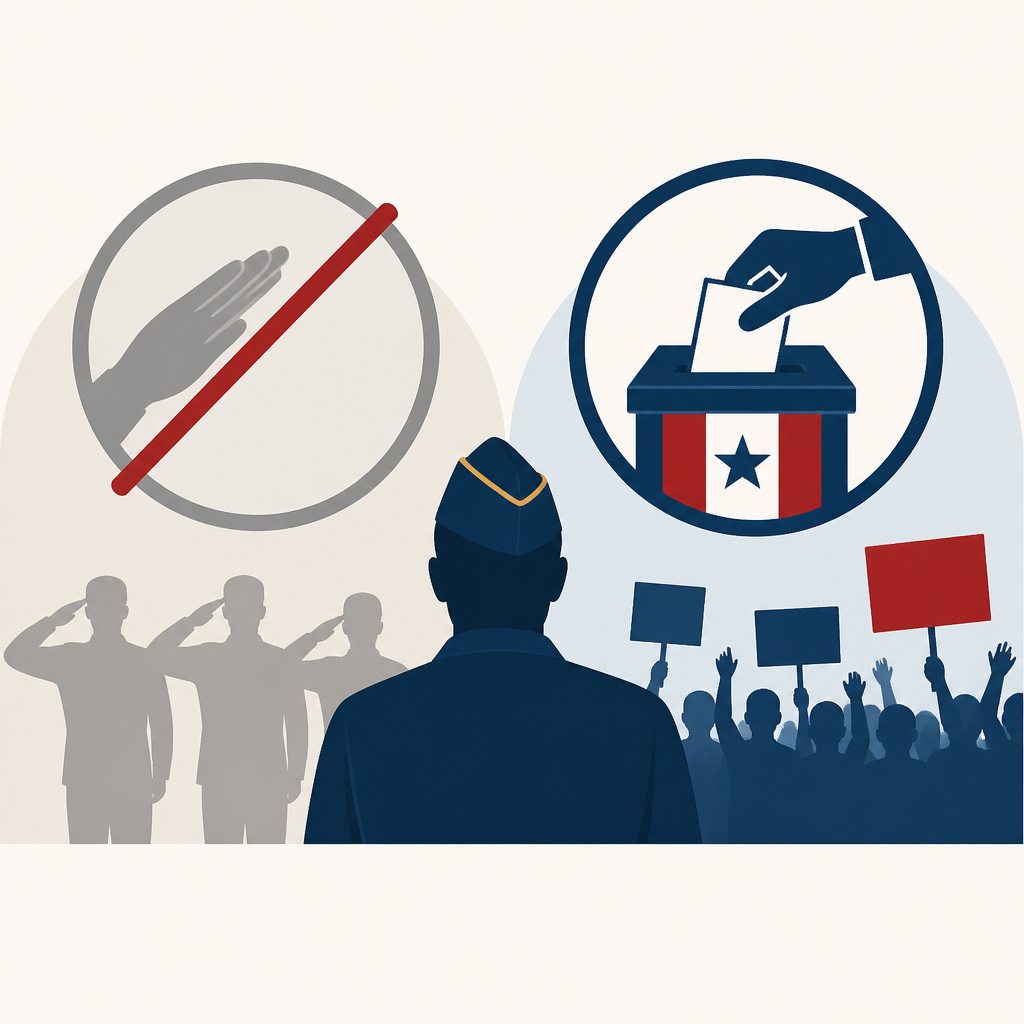
“A salute is not a substitute for a vote.” — Rep. Lisa McClain
That line is the article’s sharpest summary of her argument, and it works because it cuts through the usual Memorial Day language. McClain is not asking for a symbolic gesture. She is saying the real honor comes from moving bills through committee, funding programs, and fixing systems that have been slow for years.
She also uses the vaccine mandate fight as proof that Congress can reverse bad policy when it wants to. The Biden administration discharged more than 8,700 service members under the COVID vaccine mandate, and Republicans later pushed to end the mandate and reinstate those troops with back pay and full rank. That is a concrete policy win, and McClain treats it as evidence that veterans’ issues are political choices, not accidents.
Her critique of the Pentagon goes beyond veterans benefits
McClain widens the argument from veterans’ services to military culture. She says the Pentagon under Biden spent too much time on DEI bureaucracy, pronoun guidance, and climate plans while recruiting numbers fell. Whether you agree with her politics or not, the underlying tension is easy to see: when the military is asked to do more social messaging, it has less room to focus on training, housing, equipment, and retention.
That tension matters because recruiting is not a side issue. A military that cannot fill its ranks has a harder time sustaining readiness, and a veterans system that cannot process claims quickly creates a second problem long after service ends. McClain is connecting those dots on purpose. She wants readers to see the same pattern in both places: political priorities in Washington shape outcomes for people who served.
She also ties the debate to the Pentagon and to the appropriations process, where Republicans passed a military construction and veterans funding bill with $157 billion attached. That bill, she says, fully funds veterans’ health care and supports mental health, suicide prevention, homelessness programs, medical research, prosthetics, barracks, and military housing.
- Veterans ACCESS Act: McClain says it expands care choice
- Sharri Briley and Eric Edmundson Veterans Benefits Expansion Act: support for disabled veterans and Gold Star families
- Military Construction, Veterans Affairs, and Related Agencies bill: $157 billion
- Funding priorities include health care, suicide prevention, housing, and prosthetics
Abbey Gate still shapes the politics of accountability
McClain also returns to the 2021 Afghanistan withdrawal, especially the Abbey Gate attack that killed 13 U.S. service members. She calls it a national tragedy and says the families of the fallen deserve answers, not excuses. That part of the piece is important because it shows how Memorial Day politics can extend far beyond one day on the calendar.
She says one of her first bills signed into law posthumously awarded the Congressional Gold Medal to the 13 service members killed in the attack. That is a symbolic step, but she uses it to argue for a larger principle: honoring the dead means protecting the living through better policy, better oversight, and less spin from the White House.
For readers tracking Washington’s veterans agenda, the practical takeaway is simple. The next fight will not be about who gives the best speech on Memorial Day. It will be about whether Congress keeps moving on claims backlogs, benefit access, military readiness, and disability support. If lawmakers want credit for honoring service, they will have to show up for the votes that matter.
That is the standard McClain is setting, and it is a useful one: watch the committee roll calls, the appropriations line items, and the implementation numbers, then decide whether the tribute was real.
// Related Articles
- [IND]
Korea’s Nvidia talks point to an AI factory push
- [IND]
OpenAI should not rush its IPO just to win the AI race
- [IND]
OpenAI updates its Europe privacy policy
- [IND]
OpenAI is right to keep ads out of sensitive chats
- [IND]
AI bootlegs are already draining streaming royalties
- [IND]
AMD and Microsoft push Windows ML on GPU and NPU