Why TikTok’s Jayson Tatum rumor mill is wrong
TikTok’s Jayson Tatum and Ella Mai marriage rumor is unsupported and should not be treated as fact.

TikTok’s Jayson Tatum and Ella Mai marriage rumor is unsupported and should not be treated as fact.
“No wonder 28-year-old Jayson Tatum refuses to marry 31-year-old Ella Mai” is not reporting, it is gossip dressed up as certainty. The post offers no sourcing, no confirmation from either person, and no evidence that a marriage decision exists at all. It simply turns an unverified claim into a public verdict, which is exactly how celebrity misinformation spreads on social platforms.
The first problem is the lack of evidence
Get the latest AI news in your inbox
Weekly picks of model releases, tools, and deep dives — no spam, unsubscribe anytime.
No spam. Unsubscribe at any time.
The claim rests on a single sentence and a hashtag stack, not on verifiable facts. There is no attributed source, no direct statement from Tatum, no statement from Mai, and no reporting from a credible outlet. When a post makes a relationship claim this specific, the burden of proof is high, and this post does not meet it.
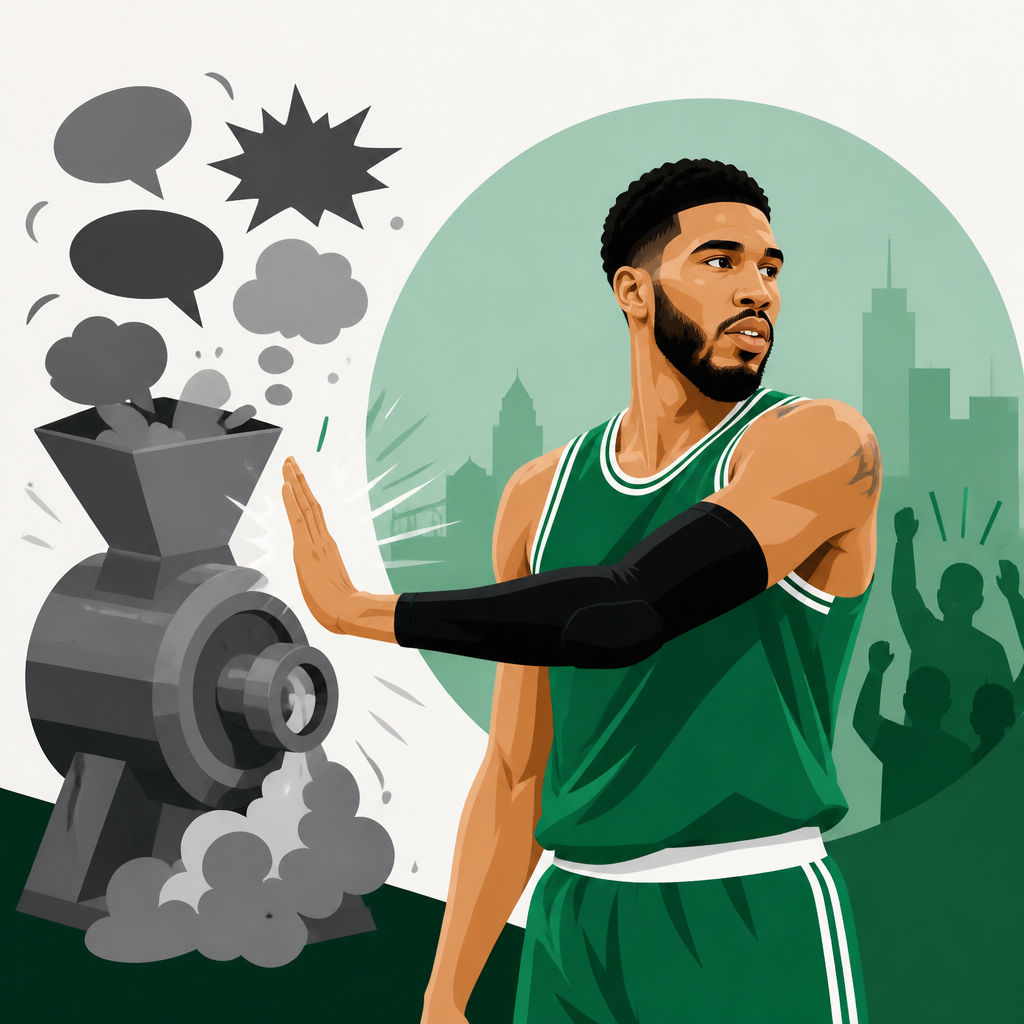
That matters because celebrity relationship rumors often travel faster than corrections. A TikTok post can be clipped, reposted, and reworded until it looks like a consensus. By the time a false claim has been repeated enough, people stop asking where it came from and start arguing about whether it is fair. The original absence of evidence gets buried under engagement.
The second problem is the framing is openly manipulative
The post does not just speculate. It uses age, gender, and relationship status to provoke a reaction, turning private lives into a public scorecard. That is a familiar engagement tactic: present a loaded conclusion, invite outrage, and let the comment section do the rest. The result is not insight, only attention.
Even the wording reveals the game. “Refuses to marry” implies a known decision and a known partner, neither of which is established in the post itself. It is a rhetorical shortcut designed to sound definitive while avoiding the responsibility of proof. That kind of framing is corrosive because it trains audiences to accept insinuation as evidence.
The counter-argument
Supporters of posts like this will say celebrity gossip is harmless entertainment. They will argue that everyone knows TikTok is full of speculation, and that no one should take a short-form post as a verified news report. They are right about one thing: social platforms are not court records, and readers do carry some responsibility to question what they see.
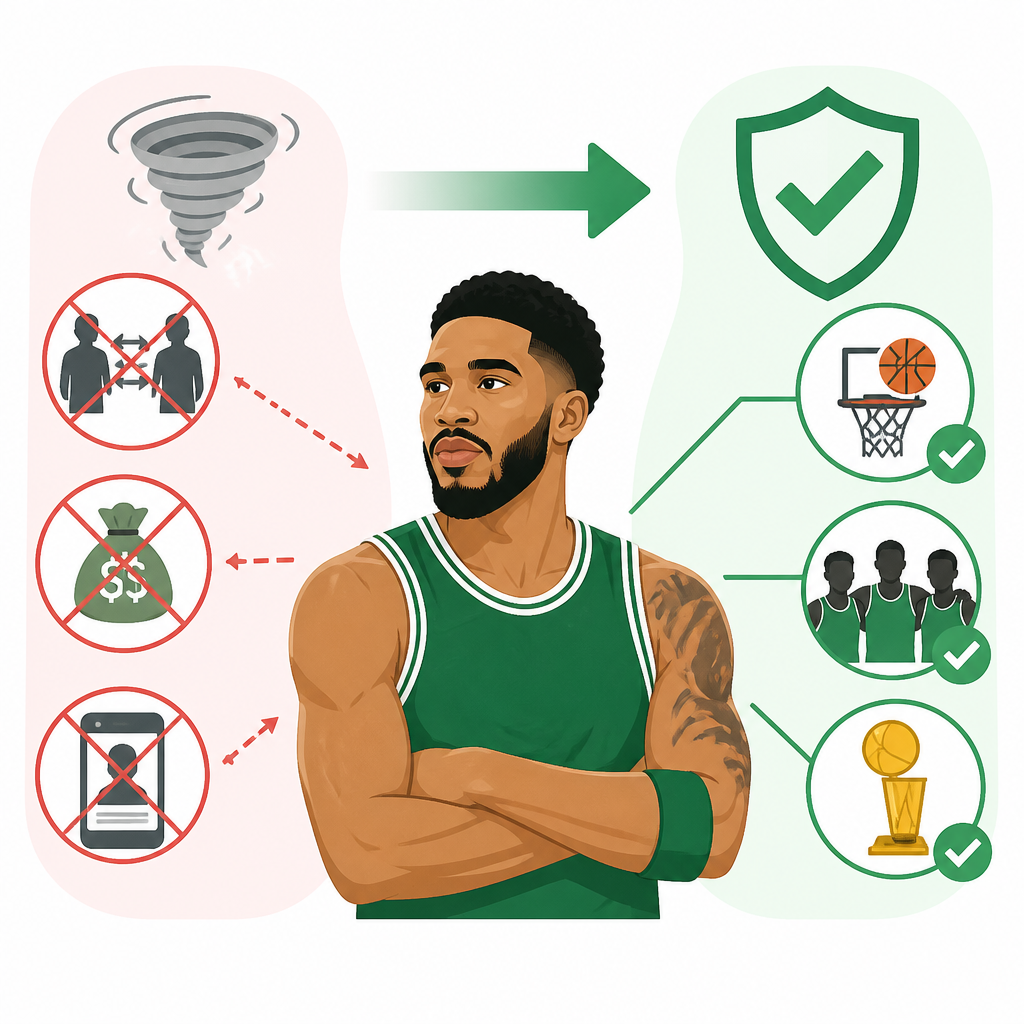
But that defense fails because “everyone knows” does not stop misinformation from shaping perception. A rumor repeated often enough becomes the default background story, especially when it flatters existing biases about fame, age, and relationships. I accept that not every gossip post deserves a formal takedown. This one does, because it states a concrete claim about real people without a shred of proof.
What to do with this
If you are an engineer, PM, or founder building social features, treat this as a product warning: optimize for traceability, not just velocity. Surface source context, make it easy to see whether a claim is verified, and design sharing flows that do not reward the most inflammatory framing. If you are a reader, apply one rule before you react: if a post makes a specific personal claim and names no source, treat it as untrusted until proven otherwise.
// Related Articles
- [IND]
Korea’s Nvidia talks point to an AI factory push
- [IND]
OpenAI should not rush its IPO just to win the AI race
- [IND]
OpenAI updates its Europe privacy policy
- [IND]
OpenAI is right to keep ads out of sensitive chats
- [IND]
AI bootlegs are already draining streaming royalties
- [IND]
AMD and Microsoft push Windows ML on GPU and NPU