Trump’s Abraham Accords push puts Pakistan on edge
Trump’s push to expand the Abraham Accords is testing Pakistan’s diplomacy as Islamabad weighs pressure, regional ties, and domestic politics.
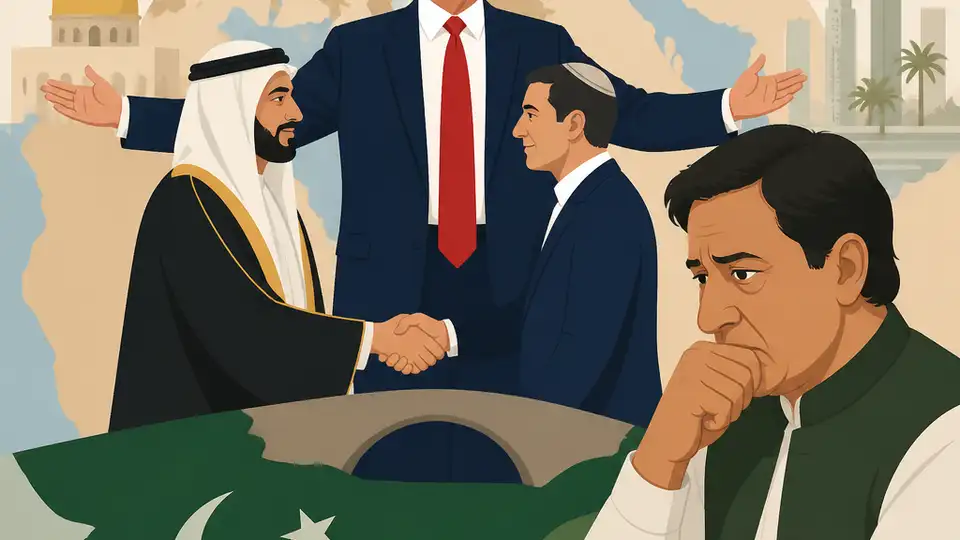
Trump’s push to expand the Abraham Accords is putting Pakistan under fresh diplomatic pressure.
Donald Trump’s renewed pressure to bring more Muslim and Arab states into the Abraham Accords has created an uncomfortable test for Pakistan. The issue is sensitive because Islamabad has long tied any normalization with Israel to progress on Palestinian statehood.
The timing matters too. Pakistan is balancing its ties with the United States, its domestic political mood, and its position in a Middle East that is still shaped by war, ceasefire talks, and shifting security alignments.
| Key point | What the article says | Why it matters |
|---|---|---|
| Trump’s push | He wants more Muslim and Arab countries in the Abraham Accords | Raises pressure on states that have not recognized Israel |
| Pakistan’s position | It is in an “awkward” spot | Any move can trigger backlash at home and abroad |
| Regional context | Gaza ceasefire diplomacy and Iran talks are active | Pakistan’s choices sit inside a wider security reset |
| Date of live update | May 26, 2026 | Shows this is part of a fast-moving geopolitical news cycle |
Why the Abraham Accords question is so sensitive
Get the latest AI news in your inbox
Weekly picks of model releases, tools, and deep dives — no spam, unsubscribe anytime.
No spam. Unsubscribe at any time.
The Abraham Accords began as a normalization framework between Israel and several Arab states. For Washington, the deal set a template for regional diplomacy. For countries that have not signed on, it also created a new kind of pressure: stay outside the arrangement and risk looking isolated, or join and explain the move to skeptical voters.
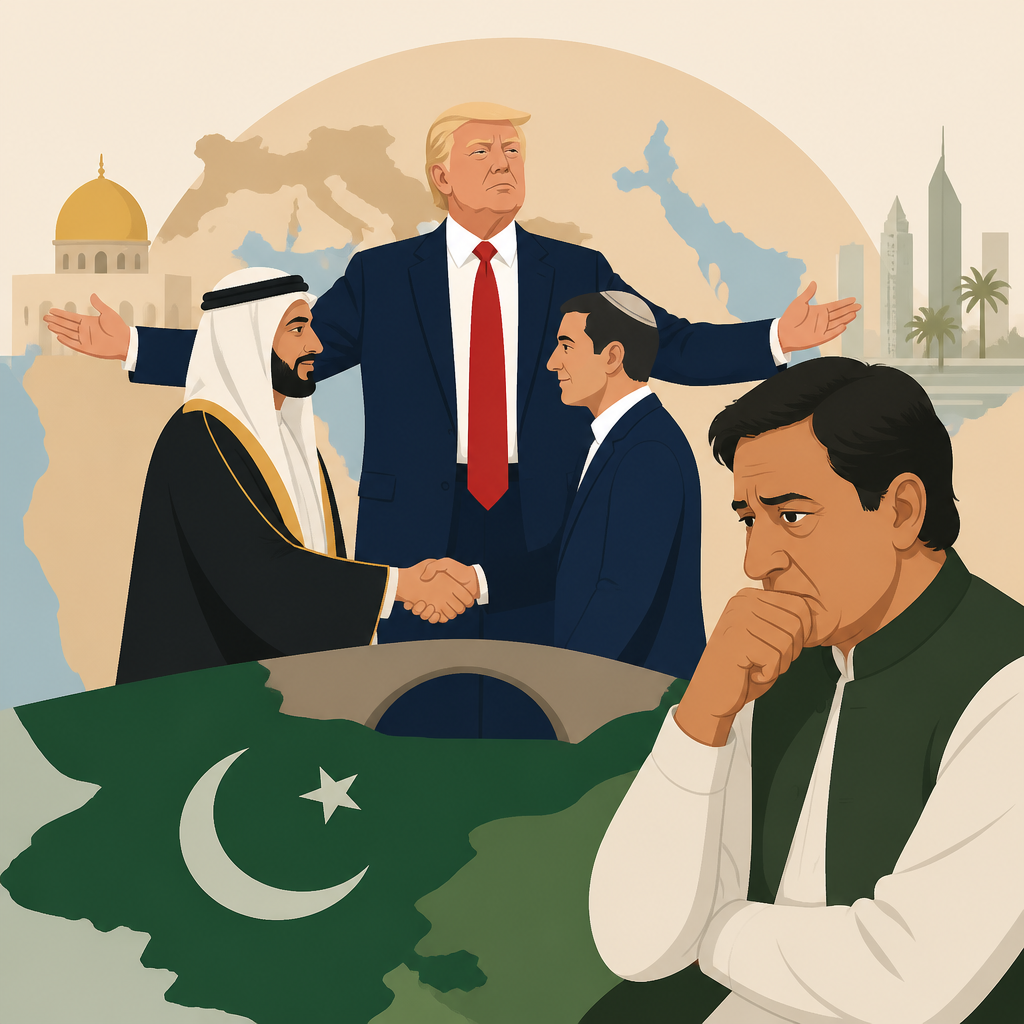
Pakistan’s case is different from that of the Gulf states that normalized ties earlier. Islamabad has a strong public narrative around the Palestinian cause, and that makes any discussion of Israel politically expensive. A formal shift would need a clear strategic payoff, and that payoff is not obvious from the current reporting.
This is why the issue keeps coming back whenever Trump talks about expanding the accords. The demand is less about a single bilateral relationship and more about how Washington wants to redraw regional alliances after years of conflict and stalled diplomacy.
- Pakistan has no formal diplomatic ties with Israel.
- Public support for Palestine remains a major political factor inside Pakistan.
- Trump has repeatedly treated the Abraham Accords as a signature regional framework.
- Any policy shift would need to survive domestic scrutiny in Islamabad.
What Trump is asking for, and why Islamabad hesitates
Trump’s message is straightforward: bring more Muslim and Arab governments into the normalization fold. The problem is that Pakistan cannot treat this as a simple foreign-policy checkbox. The country has to think about its military establishment, civilian leadership, religious parties, and the broader public response before it even considers changing its position.
That hesitation is not theoretical. Pakistan’s leaders know that any sign of warming toward Israel can be framed at home as a retreat from principle. At the same time, rejecting Washington outright can carry costs in trade, security cooperation, and diplomatic access.
“We are in a very awkward position,” said Pakistani Prime Minister Shehbaz Sharif during the Gaza summit in Sharm El-Sheikh in October 2025, according to the Reuters photo caption accompanying the event.
The quote matters because it captures the bind Pakistan faces. It wants room to maneuver, but the options are narrow. If Islamabad moves too quickly, it risks domestic blowback. If it refuses too firmly, it may lose influence with the United States at a time when regional diplomacy is being renegotiated in real time.
- Domestic politics makes a rapid policy flip unlikely.
- US pressure can still matter in security and economic talks.
- Pakistan’s public messaging on Palestine limits diplomatic flexibility.
- Any normalization debate would likely unfold in stages, not overnight.
How this connects to wider Middle East diplomacy
The Pakistan question is part of a much bigger regional picture. The same live updates that flagged the Abraham Accords issue also pointed to Europe’s heat extremes, Quad discussions on energy security, and US-Iran talks over the Strait of Hormuz. That mix shows how closely geopolitics, climate stress, and energy flows now overlap.
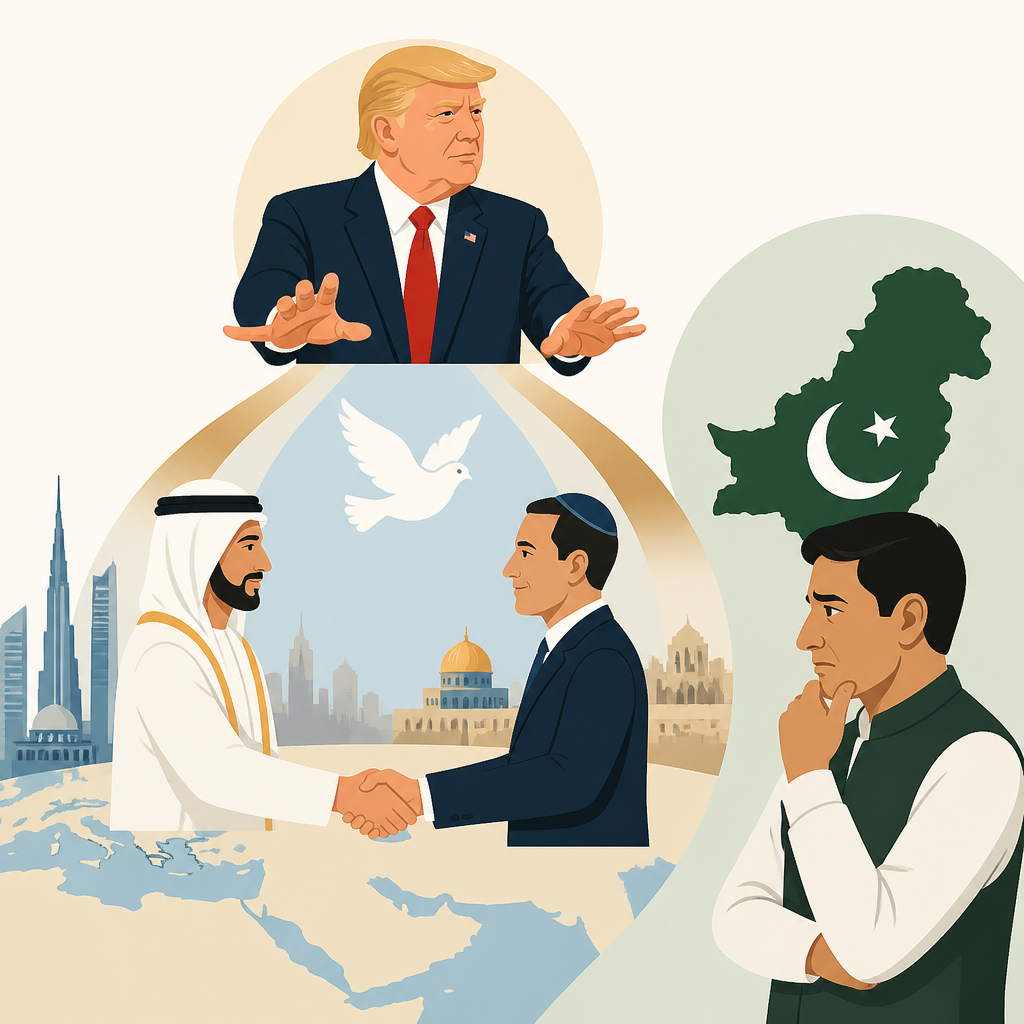
For Pakistan, the key issue is whether Washington is trying to build a broader anti-crisis bloc or simply push symbolic normalization. If the goal is a larger regional security structure, Islamabad may be asked to make choices that affect its relations with Iran, Gulf states, and domestic political groups all at once.
That is where the “awkward” label becomes accurate. Pakistan is not being asked to answer a simple yes-or-no question. It is being pulled into a chain of decisions that could affect everything from aid flows to regional credibility.
- The Quad’s Delhi meeting stressed secure trade routes and energy resilience.
- US-Iran talks over Hormuz affect a corridor carrying about one-fifth of global oil flows.
- France reported its hottest May temperatures on record, adding climate pressure to diplomatic agendas.
- Pakistan sits near several overlapping fault lines: energy, security, and Middle East politics.
What to watch next
The next move will matter more than the headline. If Trump keeps pressing for broader Abraham Accords membership, Pakistan will need to decide whether it wants to keep its distance, issue softer language, or open a quiet backchannel. Each option carries a cost.
My read: Islamabad is more likely to preserve ambiguity than make a clean break in either direction. That means careful wording, selective engagement, and a lot of room for interpretation. The real question is whether Washington accepts that ambiguity or starts treating it as resistance.
If the pressure continues, Pakistan will eventually have to choose between symbolic alignment and political safety. That decision will tell us more about the next phase of Middle East diplomacy than any single summit statement.
// Related Articles
- [IND]
OpenAI’s IPO will expose AI hype to Wall Street
- [IND]
Gemini lands inside Apple’s developer stack
- [IND]
Five AI coding IDEs that fit real workflows
- [IND]
Devin Desktop turns Windsurf into an agent hub
- [IND]
Korea’s Nvidia talks point to an AI factory push
- [IND]
OpenAI should not rush its IPO just to win the AI race