Why Trump’s voluntary AI safety order is too weak
Trump’s new AI safety order is too weak because voluntary model review cannot reliably prevent dangerous releases.

Trump’s voluntary AI safety order will not reliably stop dangerous model releases.
Trump’s new AI safety order is a weak tool for a serious problem, because it asks frontier AI labs to volunteer their most powerful models for review instead of requiring them to do so. That matters because the risk is not theoretical: the models that can write persuasive scams, automate cyber abuse, or amplify biosecurity misuse are the same models companies are racing to ship first. A voluntary, 30-day pre-release review sounds orderly, but it gives the government no hard enforcement power, no guaranteed access, and no way to stop a company that decides speed is worth the risk.
Voluntary review creates the wrong incentive
Get the latest AI news in your inbox
Weekly picks of model releases, tools, and deep dives — no spam, unsubscribe anytime.
No spam. Unsubscribe at any time.
The first problem is simple: if participation is optional, the companies most likely to benefit from scrutiny are the ones already inclined to comply. The ones that need oversight most are the ones under the most competitive pressure, and they have the strongest reason to skip review, minimize disclosure, or delay until the last possible moment. In practice, that means the order rewards good actors with paperwork and leaves bad actors largely untouched.
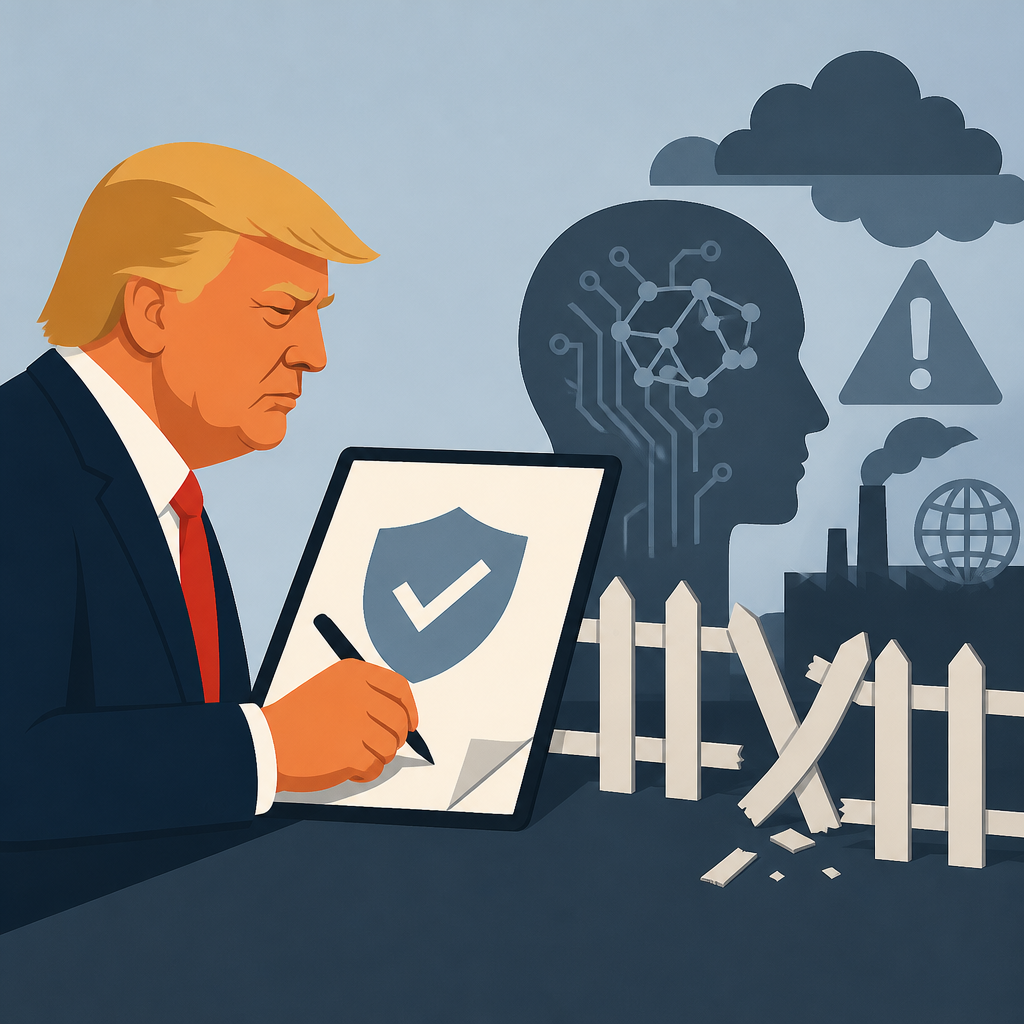
We have seen this pattern before in other safety regimes. Voluntary standards work best when firms are trying to signal trustworthiness to customers or investors, but frontier model release is a race with enormous upside for being first. If a lab believes a model can capture market share, the order’s request for a 30-day pause becomes a suggestion, not a barrier. A safety framework that depends on goodwill is not a safety framework.
A 30-day window is too short to matter
Even when companies cooperate, 30 days is not enough time to evaluate a frontier model’s real-world harm surface. Testing one model for misuse, jailbreak resistance, data leakage, and downstream abuse is not a checklist exercise. It requires adversarial probing, red-teaming, documentation review, and often repeated testing after fixes. Compressing that work into a month invites shallow review and false confidence.
There is also a mismatch between release cadence and risk discovery. The most serious failures often show up after broad deployment, when millions of users begin stress-testing the system in ways no lab anticipated. A pre-release review can catch obvious problems, but it cannot substitute for ongoing monitoring, incident reporting, and mandatory rollback authority. Without those backstops, the order treats safety as a one-time gate instead of a continuous obligation.
Government testing without enforcement is theater
The second weakness is that the order gives the government a testing role without the regulatory teeth to act on what it finds. If reviewers identify a dangerous capability, what happens next? Under a voluntary system, the answer is often: nothing, unless the company agrees. That leaves the public dependent on persuasion rather than authority, which is a poor design for technologies that can scale harm instantly.
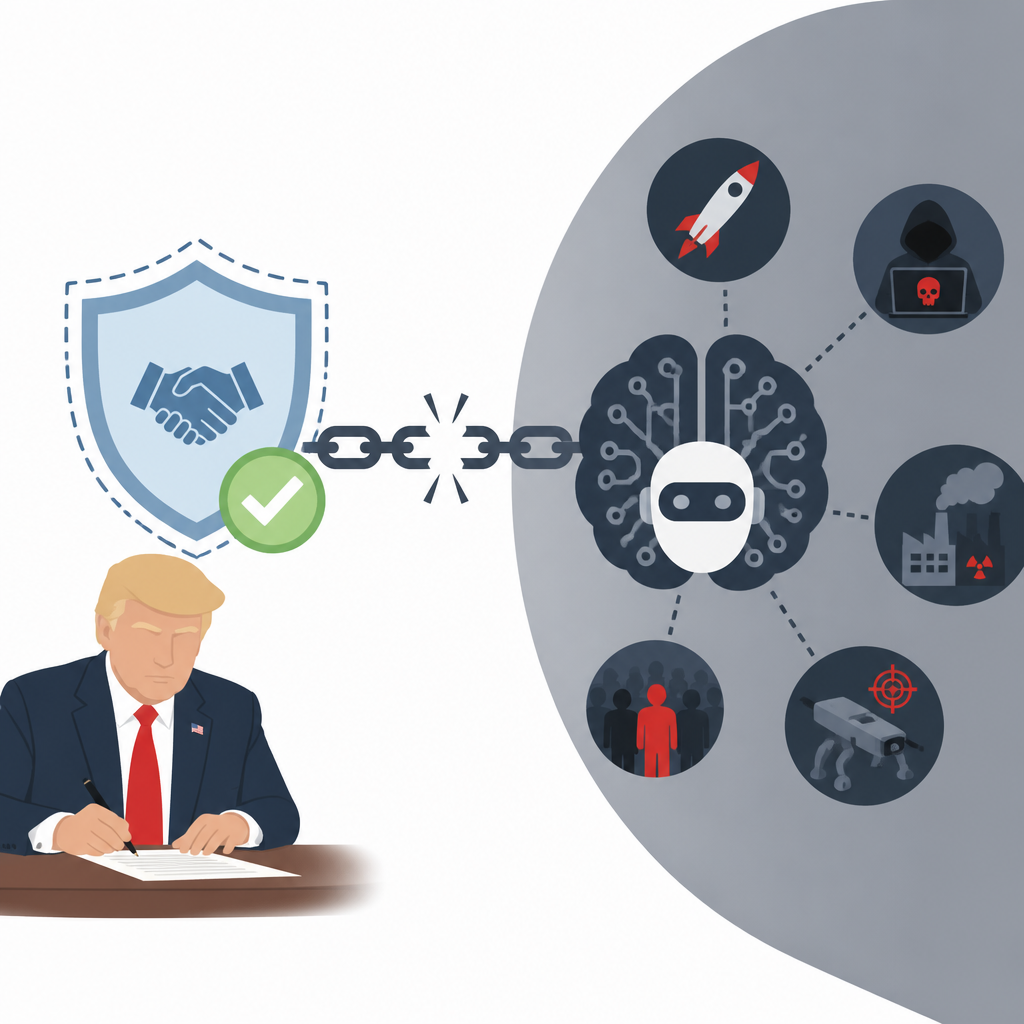
Compare that with any serious safety regime in another industry. Drug makers do not get to “voluntarily” submit a new compound for review if they want to market it. Aircraft manufacturers do not decide whether certification is optional. The reason those systems work is not that engineers are more moral than AI developers; it is that the state can require disclosure, demand fixes, and block release when needed. AI frontier models deserve the same baseline logic.
The counter-argument
Supporters of the order will say this is the only politically realistic path. A voluntary framework is faster to launch, less likely to trigger industry backlash, and easier to adapt as the technology changes. They will also argue that heavy-handed rules could freeze innovation, push development offshore, and create a compliance bureaucracy that only large incumbents can afford.
That argument is not frivolous. A rigid regime can become stale, and an overbuilt approval process can reward paperwork over actual safety. But the answer is not to settle for symbolism. The right move is a mandatory, risk-tiered system with clear thresholds, narrow exemptions, and rapid review for the highest-risk models. If the government can ask labs to submit models voluntarily, it can require submission for systems above defined capability levels. Voluntary review is not a compromise; it is a placeholder pretending to be policy.
What to do with this
If you are an engineer, PM, or founder, treat this order as a signal, not a shield. Build your own release gates now: red-team before launch, document known failure modes, keep rollback mechanisms ready, and assume regulators will eventually ask for evidence, not promises. If you are building a frontier system, design for mandatory review from the start, because the companies that prepare for hard oversight will move faster when it arrives. The real lesson here is blunt: voluntary AI safety is not enough, and teams that rely on it will be the least prepared when the rules tighten.
// Related Articles
- [IND]
Anthropic’s $35 billion buildout proves AI now runs on finance and ch…
- [IND]
OpenAI Partner Network widens enterprise AI access
- [IND]
AI Weekly: 2026-06-08 ~ 2026-06-15
- [IND]
Anthropic’s offline move turns policy into code
- [IND]
89.2k-star MCP server directory for tool builders
- [IND]
OpenAI should face the multistate probe before it goes public