Why ChatGPT Images 2.0 Is a Bigger Deal Than Better AI Art
ChatGPT Images 2.0 matters because it turns AI image generation into a usable workflow tool, not just a novelty.
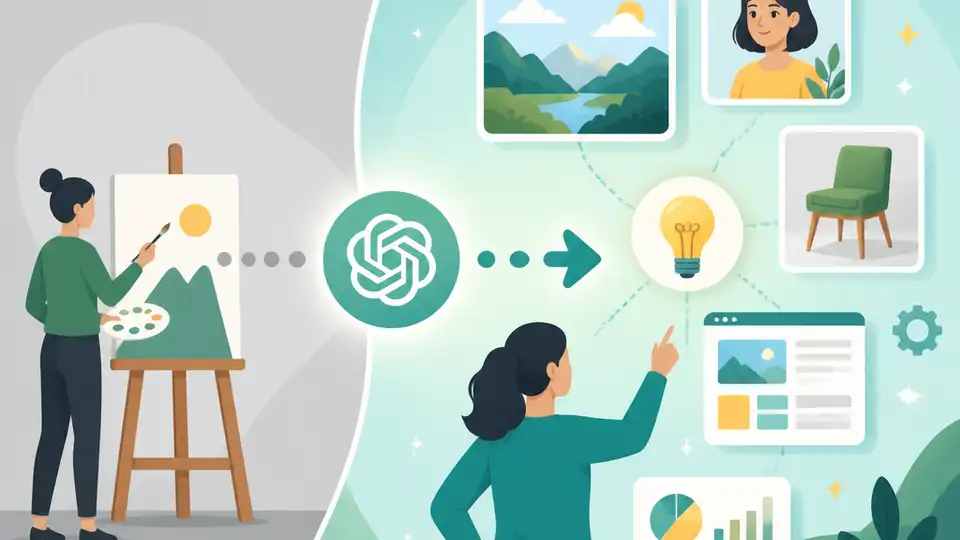
ChatGPT Images 2.0 turns AI image generation into a usable workflow tool.
ChatGPT Images 2.0 matters because it fixes the part of AI image generation that has kept the technology from being genuinely useful: readable text.
For years, image models could produce glossy scenes, but the moment a poster needed a headline, a label, or a price tag, the illusion fell apart. OpenAI’s update is aimed directly at that failure. The company is pushing better typography, stronger layouts, multilingual rendering, and more reliable instruction following, which makes the tool relevant for ads, infographics, product mockups, classroom graphics, and pitch visuals.
Better text is not a small feature
Get the latest AI news in your inbox
Weekly picks of model releases, tools, and deep dives — no spam, unsubscribe anytime.
No spam. Unsubscribe at any time.
The biggest reason this release matters is simple: text is where most AI image tools embarrass themselves. Broken spelling, warped letters, and nonsense signage made them fine for concept art and terrible for real communication. ChatGPT Images 2.0 changes that by making text a first-class part of the generation process, not an afterthought.
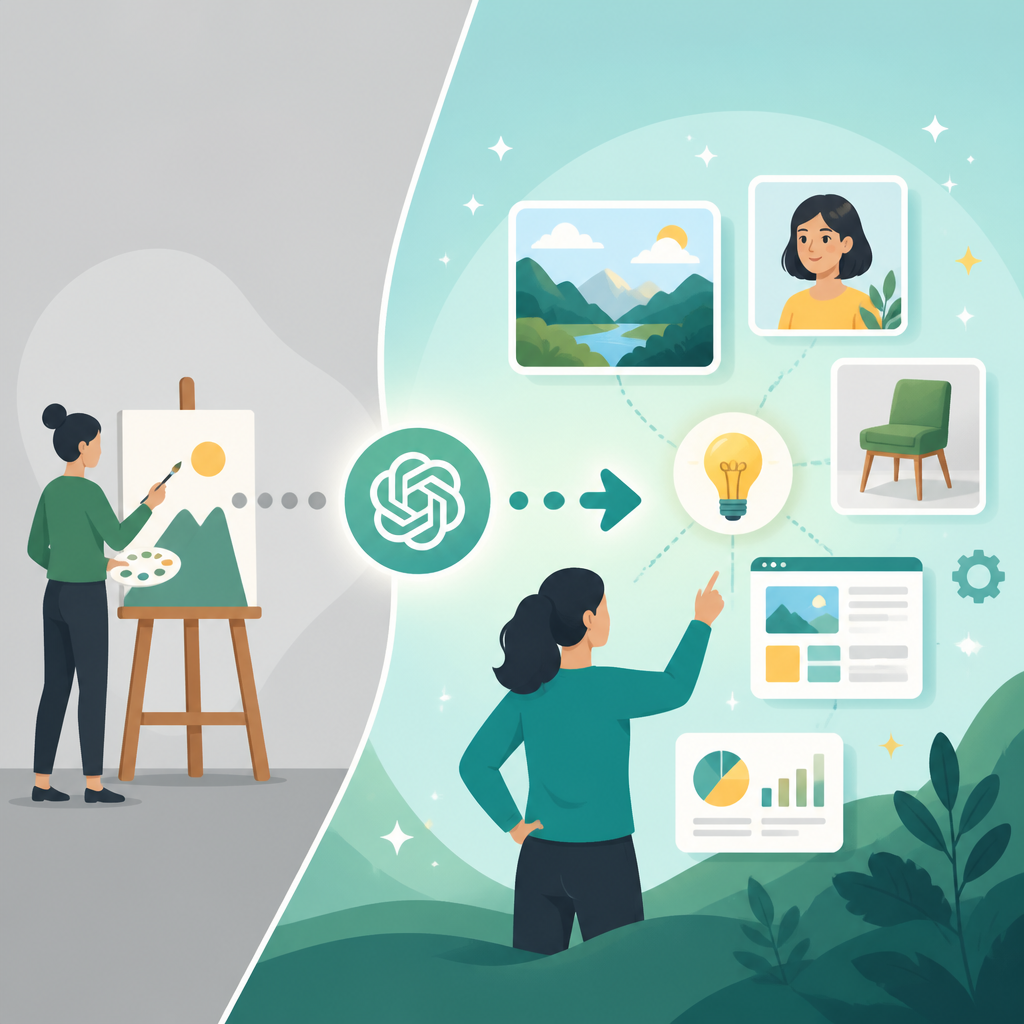
That opens the door to practical use cases that were previously awkward or unusable. A brand can draft a poster with a headline and call to action, a founder can mock up a pitch slide with legible labels, and a teacher can produce a worksheet with diagram text that does not look like a hallucination. In other words, the model moves from “cool demo” to “first draft people can actually review.”
Workflow speed matters more than image quality alone
Image quality has never been the only bottleneck. The real cost in creative work is iteration, not generation. Every time a team has to brief a designer, wait for a draft, correct the layout, and rework the copy, the process slows down. ChatGPT Images 2.0 attacks that delay by collapsing more of the early-stage workflow into one system.
That is why the update matters for marketers, founders, and small teams. A startup can test a landing page hero image before paying for a full design sprint. A social team can generate campaign variations for different channels. A local business can create a flyer draft without opening a design suite. The point is not to replace designers, but to remove the blank-page stage that blocks momentum.
Multilingual and structured output expands who can use it
OpenAI is not just improving English text. The launch examples point to stronger multilingual rendering and better handling of structured layouts, which is the part that makes the model more globally useful. That matters in markets where campaigns often move across multiple languages and where visual communication has to stay clear across communities.
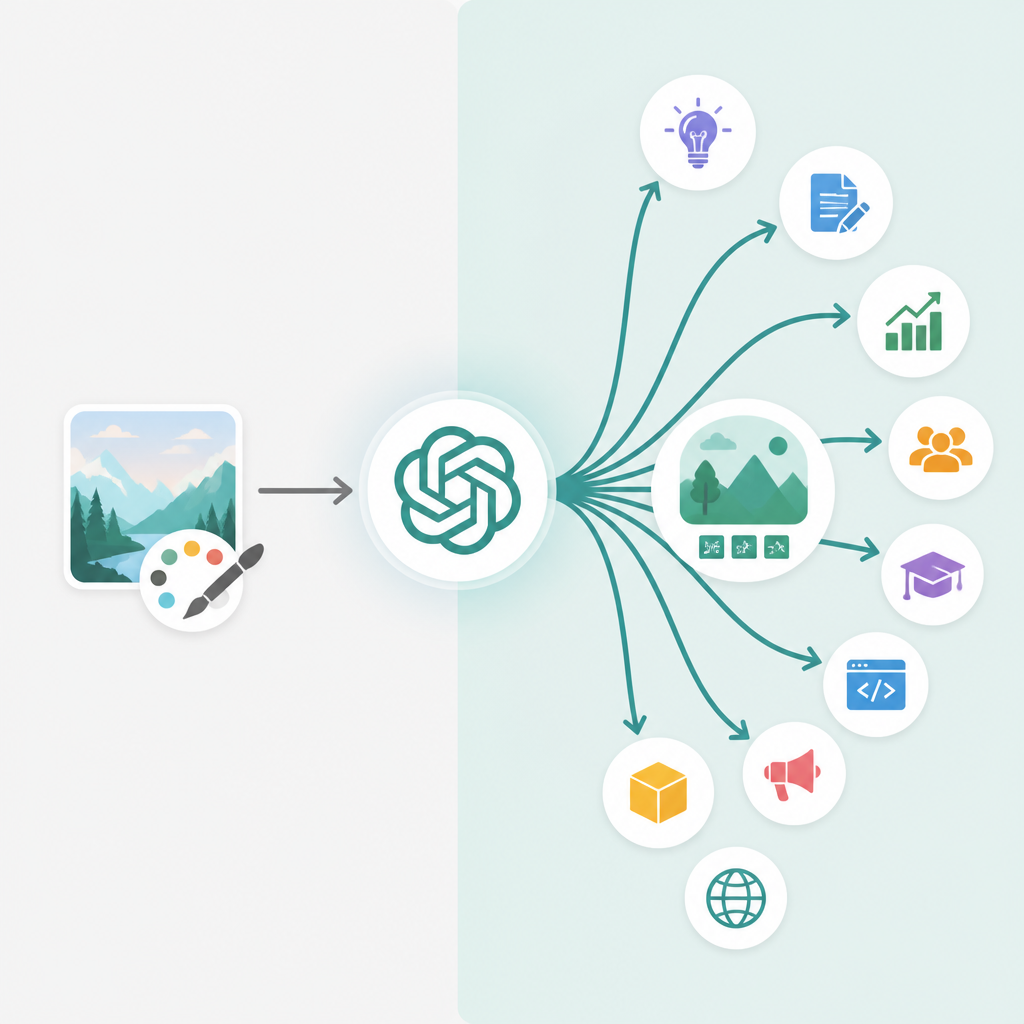
For South African teams, that is a real advantage. A campaign may need English, Afrikaans, isiZulu, or isiXhosa in the same visual system, and older models usually mangled that complexity. Better multilingual support does not remove the need for human review, but it reduces the amount of cleanup required before a draft becomes something a team can work with. That is a meaningful productivity gain, not a gimmick.
The counter-argument
The strongest case against the hype is that AI image tools still create trust problems. Better text rendering does not solve factual errors, copyright risk, or deceptive visual content. A polished fake poster is still a fake poster. In publishing, education, and brand work, that matters because the danger is not only bad design but misleading presentation.
There is also a practical objection: if the model is good enough for first drafts, teams may use it badly and move too fast. That can lead to sloppy approvals, weak brand control, and content that looks finished before anyone has verified it. This criticism is fair, and it should not be dismissed.
But the rebuttal is stronger: those risks are not new, and they are not a reason to ignore the tool. They are a reason to govern it. OpenAI’s moderation, watermarking, and content credentials help, but they do not replace editorial discipline. The correct response is to treat ChatGPT Images 2.0 as a production accelerator with review steps, not as an autonomous publisher.
What to do with this
If you are an engineer, PM, founder, or creative lead, use ChatGPT Images 2.0 for ideation, drafts, and variations, then force a human review for text accuracy, brand fit, and factual claims before anything ships. Build a workflow that separates generation from approval, log where AI was used, and define when disclosure is required. The teams that win with this model will not be the ones that generate the most images, but the ones that turn fast drafts into disciplined output.
// Related Articles
- [IND]
Gemini lands inside Apple’s developer stack
- [IND]
Five AI coding IDEs that fit real workflows
- [IND]
Devin Desktop turns Windsurf into an agent hub
- [IND]
Korea’s Nvidia talks point to an AI factory push
- [IND]
OpenAI should not rush its IPO just to win the AI race
- [IND]
OpenAI updates its Europe privacy policy